The military exercises launched Monday by China have many purposes, including cognitive warfare against Taiwan, an effort to counter United States-Japan military cooperation, and the showcasing of coordination with Russia, a scholar said Monday.
(Full text of the story is now in CNA English news archive. To view the full story, you will need to be a subscribed member of the CNA archive. To subscribe, please read here.)
More in ANALYSIS
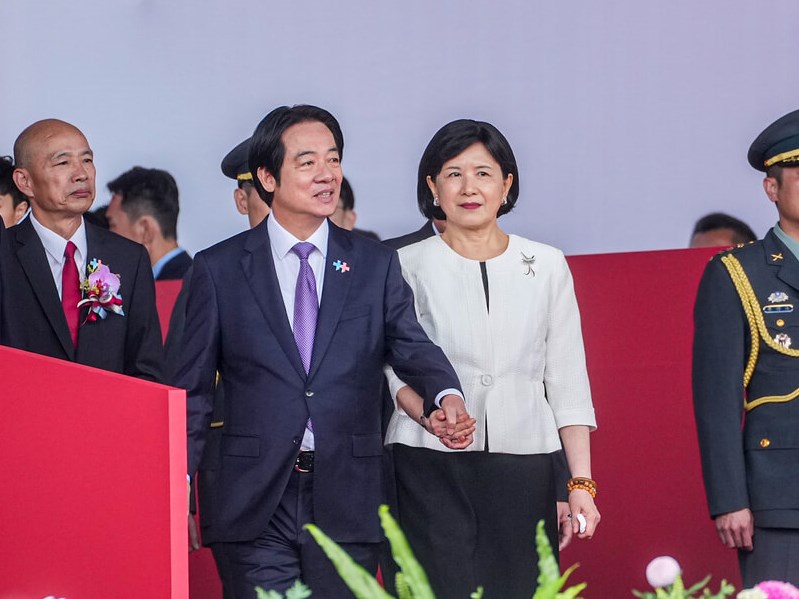
![Lai's WWII remarks warn of China's bid to reshape world order: Analysts]() Lai's WWII remarks warn of China's bid to reshape world order: AnalystsA senior official said Saturday that President Lai Ching-te's (賴清德) emphasis on preserving the historical facts of World War II in his National Day address highlighted concerns over Beijing's efforts to undermine the postwar international order.10/10/2026 07:27 PM
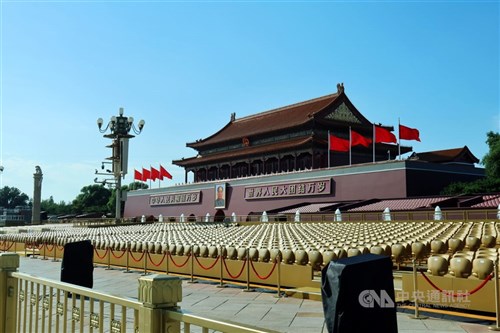
Lai's WWII remarks warn of China's bid to reshape world order: AnalystsA senior official said Saturday that President Lai Ching-te's (賴清德) emphasis on preserving the historical facts of World War II in his National Day address highlighted concerns over Beijing's efforts to undermine the postwar international order.10/10/2026 07:27 PM![Laos air base part of China's Indian Ocean ambitions: Expert]() Laos air base part of China's Indian Ocean ambitions: ExpertThe recent opening of a joint air support center in Laos is part of China's decades-long power-projection efforts to extend its influence into the Indian Ocean, a Taiwanese defense expert said Sunday.10/04/2026 04:44 PM
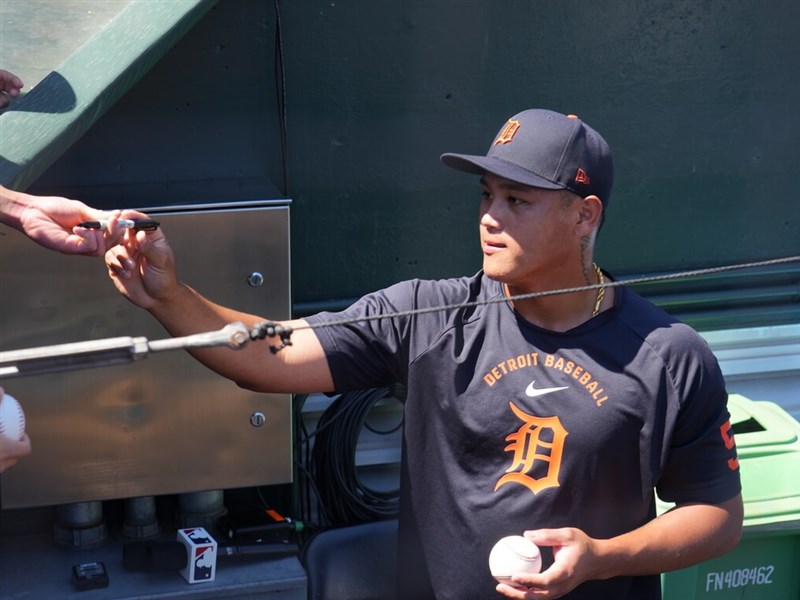
Laos air base part of China's Indian Ocean ambitions: ExpertThe recent opening of a joint air support center in Laos is part of China's decades-long power-projection efforts to extend its influence into the Indian Ocean, a Taiwanese defense expert said Sunday.10/04/2026 04:44 PM!['Hao-yu like that?' A deep dive into Lee's rookie MLB season]() 'Hao-yu like that?' A deep dive into Lee's rookie MLB seasonOne of the biggest stars on the Detroit Tigers' Threads account is infielder Lee Hao-yu (李灝宇), with posts featuring the Taiwanese rookie rarely drawing fewer than 5,000 likes, far more than the 1,000 likes posts featuring other players only occasionally draw.10/03/2026 10:00 AM
'Hao-yu like that?' A deep dive into Lee's rookie MLB seasonOne of the biggest stars on the Detroit Tigers' Threads account is infielder Lee Hao-yu (李灝宇), with posts featuring the Taiwanese rookie rarely drawing fewer than 5,000 likes, far more than the 1,000 likes posts featuring other players only occasionally draw.10/03/2026 10:00 AM
Latest
- Politics
Belize PM vows stronger support for Taiwan after China sanctions
10/14/2026 09:07 PM - Business
Musk's Terafab plan poses no short-term threat to TSMC: Analyst
10/14/2026 08:22 PM - Society
Northern Taiwan to see showers Thursday as day-night temperature gap widens
10/14/2026 08:15 PM - Politics
- Politics
Lai calls for progress on unsigned Taiwan-Canada trade framework
10/14/2026 07:09 PM