INTERVIEW/Vietnamese author Trang Hạ embraces life-changing lessons learned in Taiwan
12/27/2025 04:58 PM
Before she first set foot in Taiwan in 2003 for an exchange program, Nguyễn Thị Hoa was already gaining recognition as a writer in Vietnam under her pen name, Trang Hạ, having received a few literary awards.
(Full text of the story is now in CNA English news archive. To view the full story, you will need to be a subscribed member of the CNA archive. To subscribe, please read here.)
More in INTERVIEW
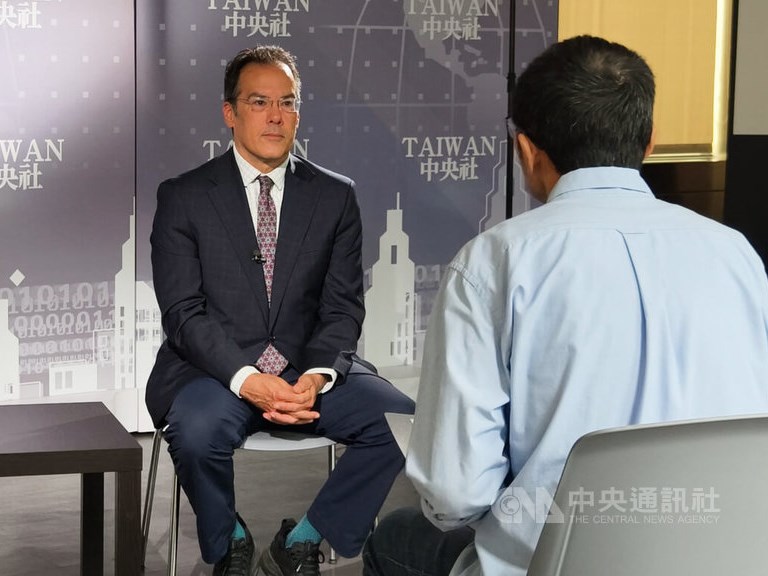
![Taiwan, democracies must build resilience against China, Russia: Scholar]() Taiwan, democracies must build resilience against China, Russia: ScholarTaiwan and other democracies must strengthen their resilience against the "sharp power" wielded by authoritarian regimes such as China and Russia to defend their shared democratic values, a visiting American scholar said Monday.09/21/2026 04:39 PM
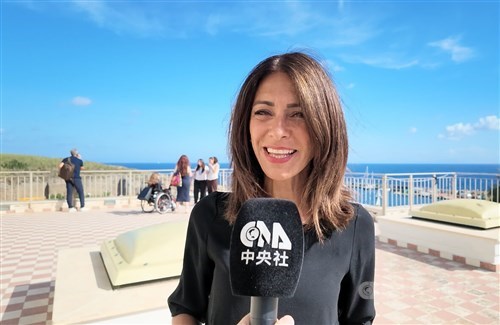
Taiwan, democracies must build resilience against China, Russia: ScholarTaiwan and other democracies must strengthen their resilience against the "sharp power" wielded by authoritarian regimes such as China and Russia to defend their shared democratic values, a visiting American scholar said Monday.09/21/2026 04:39 PM![European Parliament vice president praises Hsiao as 'role model' for women]() European Parliament vice president praises Hsiao as 'role model' for womenEuropean Parliament Vice President Pina Picierno on Saturday praised Taiwanese Vice President Hsiao Bi-khim (蕭美琴) as a role model for freedom-loving women around the world and told CNA that she would soon begin planning a trip to Taipei after accepting Hsiao's invitation to visit.09/13/2026 01:08 PM
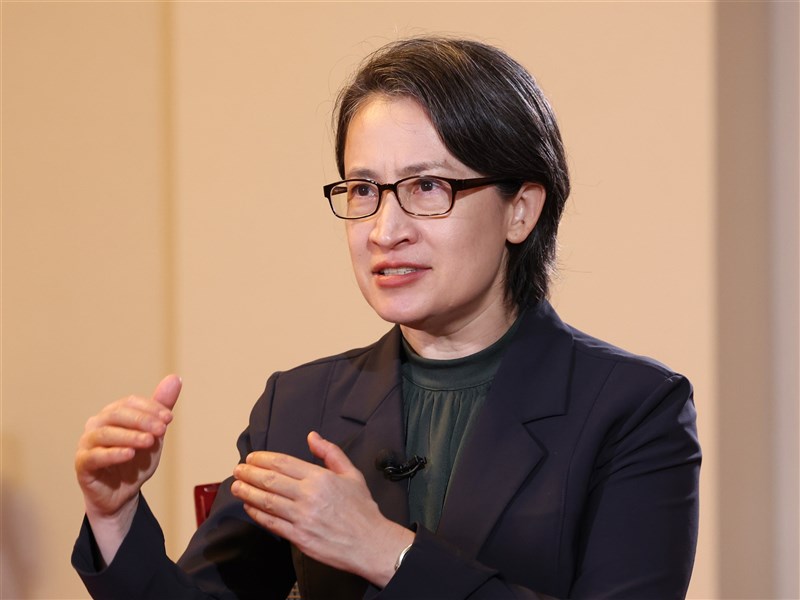
European Parliament vice president praises Hsiao as 'role model' for womenEuropean Parliament Vice President Pina Picierno on Saturday praised Taiwanese Vice President Hsiao Bi-khim (蕭美琴) as a role model for freedom-loving women around the world and told CNA that she would soon begin planning a trip to Taipei after accepting Hsiao's invitation to visit.09/13/2026 01:08 PM![VP Hsiao flags funding, oversight gaps in opposition drone bills]() VP Hsiao flags funding, oversight gaps in opposition drone billsVice President Hsiao Bi-khim (蕭美琴) has questioned key elements of military drone procurement bills sponsored by opposition lawmakers, saying the omissions would hurt the industry and Taiwan's preparedness.08/26/2026 10:21 AM
VP Hsiao flags funding, oversight gaps in opposition drone billsVice President Hsiao Bi-khim (蕭美琴) has questioned key elements of military drone procurement bills sponsored by opposition lawmakers, saying the omissions would hurt the industry and Taiwan's preparedness.08/26/2026 10:21 AM
Latest
- Society
Taiwan minimum wage hike to benefit 2.61 million workers: Labor Ministry
09/24/2026 09:15 PM - Society
New Taipei student critically injured in alleged scissors attack
09/24/2026 08:17 PM - Society
2-year sentences sought for Chinese men who illegally sailed to Taiwan
09/24/2026 08:10 PM - Politics
DPP ousts 18 members over independent local election bids
09/24/2026 07:11 PM - Society
Taiwan raises minimum monthly wage above NT$30,000
09/24/2026 05:58 PM