Nestled in the northern Philippine village of Buscalan, 109-year-old Apo Whang-Od has made the once-quiet community famous for her role in preserving Indigenous hand-tapped tattoos.
(Full text of the story is now in CNA English news archive. To view the full story, you will need to be a subscribed member of the CNA archive. To subscribe, please read here.)
More in INTERVIEW
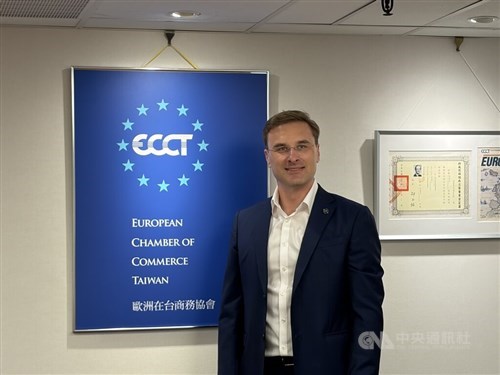
![New ECCT chair urges greater agility in Taiwan's software, energy sectors]() New ECCT chair urges greater agility in Taiwan's software, energy sectorsTaiwan is known for its strength in hardware manufacturing, but Frank Grunert, the new chairperson of the European Chamber of Commerce Taiwan (ECCT), sees considerable potential in software as well.10/10/2026 12:36 PM
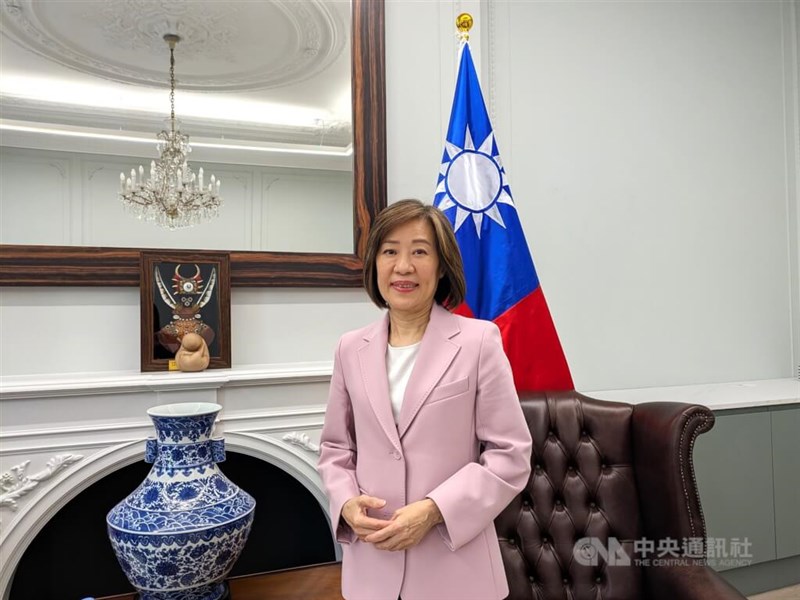
New ECCT chair urges greater agility in Taiwan's software, energy sectorsTaiwan is known for its strength in hardware manufacturing, but Frank Grunert, the new chairperson of the European Chamber of Commerce Taiwan (ECCT), sees considerable potential in software as well.10/10/2026 12:36 PM![Strategic partnership key to Taiwan-U.K. cooperation: Deputy economics minister]() Strategic partnership key to Taiwan-U.K. cooperation: Deputy economics ministerTaiwan's Deputy Minister of Economic Affairs Cynthia Kiang (江文若), who has just concluded an annual economic and trade dialogue with her U.K. counterpart in London, said Friday that establishing a strategic partnership is key to bilateral cooperation.10/03/2026 01:53 PM
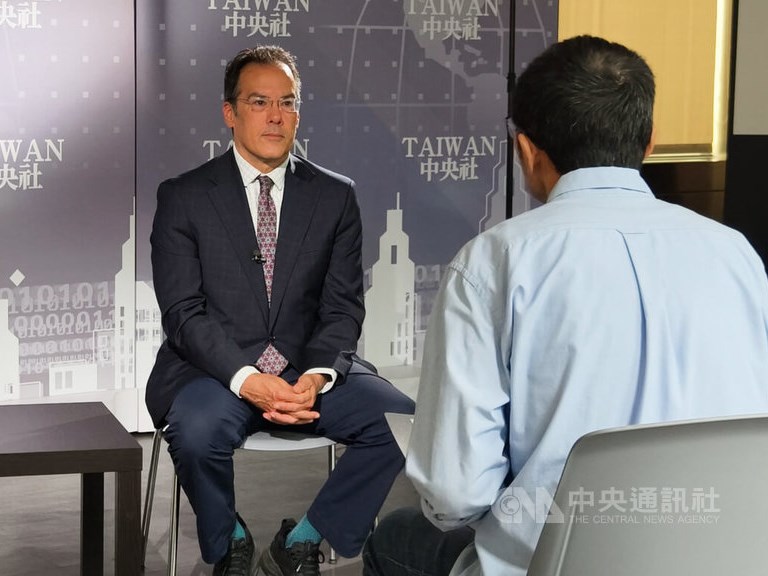
Strategic partnership key to Taiwan-U.K. cooperation: Deputy economics ministerTaiwan's Deputy Minister of Economic Affairs Cynthia Kiang (江文若), who has just concluded an annual economic and trade dialogue with her U.K. counterpart in London, said Friday that establishing a strategic partnership is key to bilateral cooperation.10/03/2026 01:53 PM![Taiwan, democracies must build resilience against China, Russia: Scholar]() Taiwan, democracies must build resilience against China, Russia: ScholarTaiwan and other democracies must strengthen their resilience against the "sharp power" wielded by authoritarian regimes such as China and Russia to defend their shared democratic values, a visiting American scholar said Monday.09/21/2026 04:39 PM
Taiwan, democracies must build resilience against China, Russia: ScholarTaiwan and other democracies must strengthen their resilience against the "sharp power" wielded by authoritarian regimes such as China and Russia to defend their shared democratic values, a visiting American scholar said Monday.09/21/2026 04:39 PM
Latest
- Politics
Shen holds 1st Taipei campaign motorcade; Chiang urges debate coordination
10/11/2026 08:39 PM - Society
Firefighters work to extinguish Miaoli trash dump fire
10/11/2026 07:58 PM - Politics
Lai's National Day speech steady, avoided provoking Beijing: Scholar
10/11/2026 06:53 PM - Society
Songshan: The ups and downs of Taipei's 'other airport'
10/11/2026 06:36 PM - Society
Philippines opens largest OFW service center in Taipei, eyes expansion
10/11/2026 06:11 PM