ANALYSIS/Chinese warplane lull around Taiwan tied to politics, fuel: Scholars
03/12/2026 06:29 PM
Taiwanese scholars said Thursday that a recent drop in Chinese warplane activity around Taiwan was temporary, likely driven by Beijing's desire for "political security" during the annual "Two Sessions" and higher fuel costs caused by tension in the Middle East.
(Full text of the story is now in CNA English news archive. To view the full story, you will need to be a subscribed member of the CNA archive. To subscribe, please read here.)
More in ANALYSIS
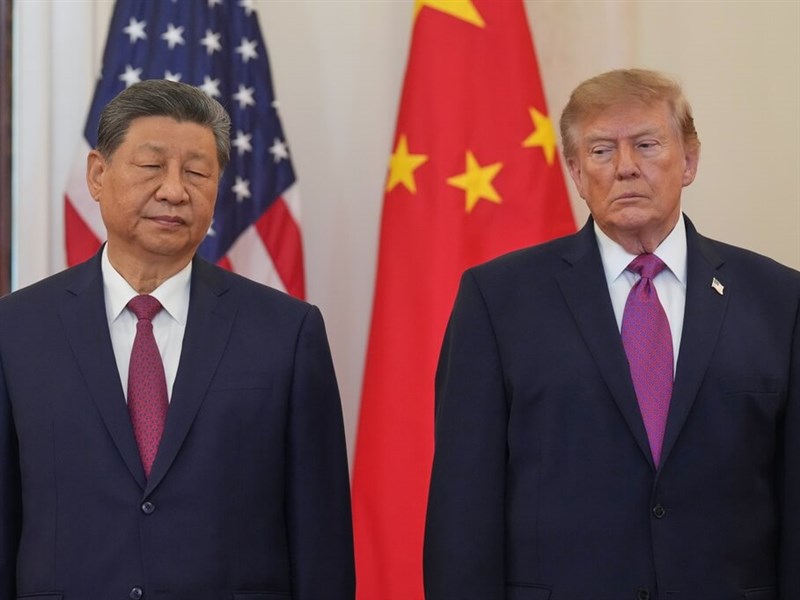
![Xi's WWII account obscures ROC role, evokes Japan tensions: Scholars]() Xi's WWII account obscures ROC role, evokes Japan tensions: ScholarsWhen Chinese President Xi Jinping (習近平) recalled U.S.-China cooperation during World War II at a White House state dinner Thursday, he left out a name central to that history: the Republic of China (ROC).09/29/2026 04:30 PM
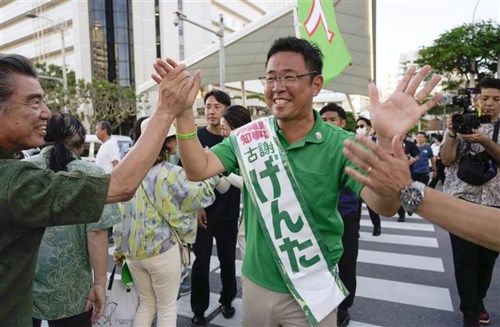
Xi's WWII account obscures ROC role, evokes Japan tensions: ScholarsWhen Chinese President Xi Jinping (習近平) recalled U.S.-China cooperation during World War II at a White House state dinner Thursday, he left out a name central to that history: the Republic of China (ROC).09/29/2026 04:30 PM![Okinawa vote likely to boost Japan's defense buildup, Taiwan security: Scholars]() Okinawa vote likely to boost Japan's defense buildup, Taiwan security: ScholarsThe anti-Henoko "All Okinawa" camp's 12-year hold on the Okinawa governorship ended Sunday when former Naha Deputy Mayor Genta Koja unseated two-term incumbent Denny Tamaki in a six-candidate race.09/15/2026 09:34 PM
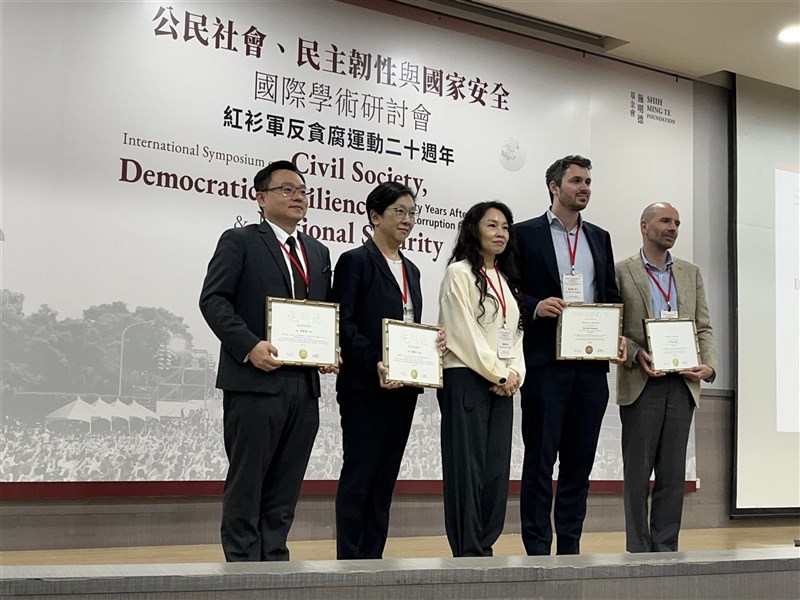
Okinawa vote likely to boost Japan's defense buildup, Taiwan security: ScholarsThe anti-Henoko "All Okinawa" camp's 12-year hold on the Okinawa governorship ended Sunday when former Naha Deputy Mayor Genta Koja unseated two-term incumbent Denny Tamaki in a six-candidate race.09/15/2026 09:34 PM![Taiwan, U.S. must counter China gray-zone pressure: Stanford scholar]() Taiwan, U.S. must counter China gray-zone pressure: Stanford scholarTaiwan and the United States need to prepare for a crisis triggered by China's intensifying gray-zone pressure rather than focus only on deterring a full-scale conflict, a Stanford University scholar said Wednesday at a symposium in Taipei.09/09/2026 07:50 PM
Taiwan, U.S. must counter China gray-zone pressure: Stanford scholarTaiwan and the United States need to prepare for a crisis triggered by China's intensifying gray-zone pressure rather than focus only on deterring a full-scale conflict, a Stanford University scholar said Wednesday at a symposium in Taipei.09/09/2026 07:50 PM
Latest
- Society
Taiwan headline news
09/30/2026 10:14 AM - Business
U.S. dollar up in Taipei trading
09/30/2026 10:12 AM - Business
Taiwan shares open higher
09/30/2026 09:09 AM - Business
Amazon taking part in Taiwan PCB maker's private placement
09/29/2026 09:06 PM - Sports
Taiwan snatches 2 more silvers in shooting, Kurash at Asian Games
09/29/2026 08:42 PM