Where nature pays: 'Bank of Flowers and Trees' redefines investment returns
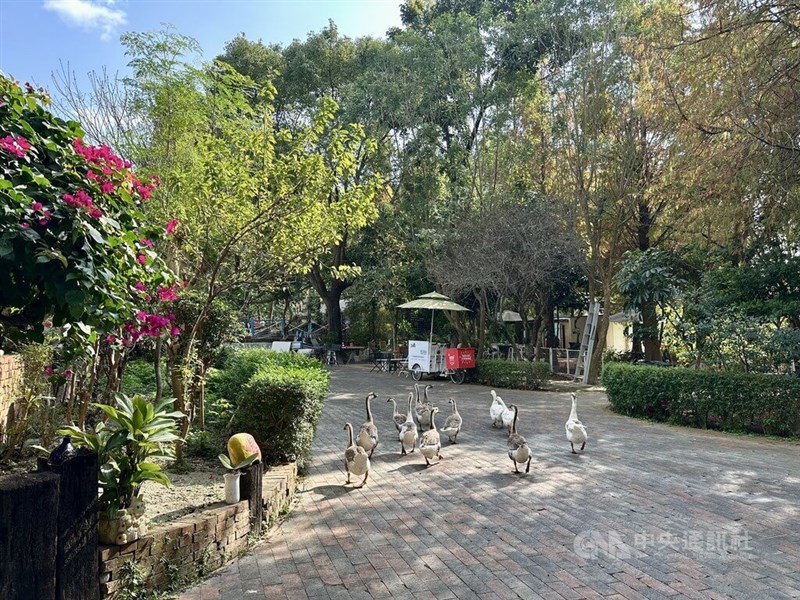
Taipei, Feb. 18 (CNA) In a small town in central Taiwan, a "bank" has redefined the meaning of returns. Measured not in money, but in trees, flowers and restored ecosystems, its returns show that nature can be the most rewarding long-term investment.
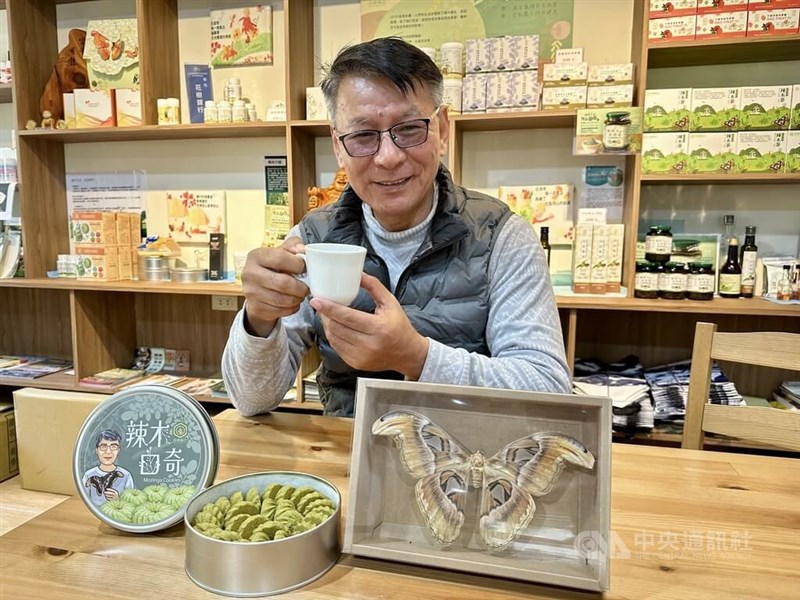
"Sowing a single seed is enough to plant hope," said 60-year-old Kuo Chun-yin (郭俊銀), founder of the Bank of Flowers and Trees.
Nestled at the foot of Bagua Mountain in Changhua County's Dacun Township, the 0.8-hectare park serves as Kuo's headquarters for a form of wealth that transcends money -- physical well-being of the community and ecological heritage.
"I believe that community-building should start with protecting local plants and seeds, conserving native ecosystems, and promoting healthier ways of eating," he said.
A wet wipe manufacturer by trade, Kuo embarked on this second calling 25 years ago, believing that lasting change starts when residents take responsibility for their surroundings.
This philosophy crystallized during a 2007 family cycling tour when he witnessed a Buddhist monk silently planting trees along the South Link Highway.
After speaking with the monk about the fleeting nature of human existence, he came to believe that "meaningful change does not require grand achievements" and began planting trees to contribute to society.
The following year, Kuo sought to fix irrigation problems on his father's farmland, which had fallen into disuse as his father aged, and began planting available seedlings.
As the Bank of Flowers and Trees took shape, Kuo introduced a foster system that allows visitors to leave plants in his care for up to three years at no cost, after which they may reclaim the trees or let them remain in the park.
Recalling the project's early days, Kuo said some friends joked that the site might turn into a "flower and tree graveyard," as he had little experience caring for plants left by others.
Today, however, the campus of Bank of Flowers and Trees is nearly at full capacity, with over 10,000 trees representing more than 400 species, Kuo said.
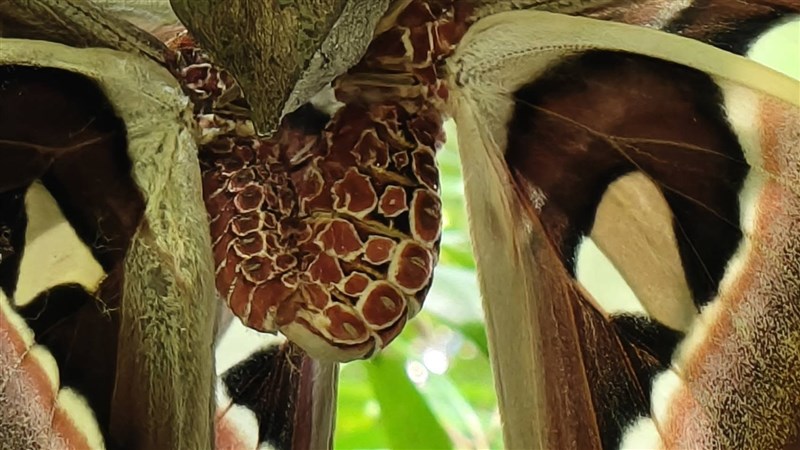
The return of the Atlas moth -- once common in the area but drastically reduced due to habitat destruction -- to the park indicates the success of Kuo's conservation efforts and shows that the area has achieved true ecological diversity and balance.
The park has always been open to the public free of charge and generated no income. Its operations are sustained by profits from his wet wipe factory, Kuo said.
Over time, Kuo began developing food products from edible plants grown on-site -- such as the moringa tree, known for its high carbon-absorption capacity and nutrient-rich "superfood" properties--benefiting both the environment and human health.
In recent years, Kuo has begun "opening branches" in Penghu and Nantou counties, partnering with like-minded communities to replicate its model.
Kuo envisions these offshoot sites as blueprints for a burgeoning nationwide network, where "every household has a garden and greenery."
"When people experience the healing benefits of nature, they are more willing to take part, enhancing both environmental quality and public health," Kuo said.
-
Society
Taiwan on alert for torrential and heavy rain Saturday
04/04/2026 11:45 AM -
Society
Taiwan headline news
04/04/2026 11:15 AM -
Sports
Dragons walk off Hawks 5-4 in home opener
04/03/2026 09:51 PM -
Society
Taiwan's 1st local H7 flu case identified as H7N7: CDC
04/03/2026 09:49 PM -
Society
2 frontal systems to bring rain in coming days: CWA
04/03/2026 08:14 PM