ANALYSIS/Not time to worry about TSMC's reported expansion in U.S.: Experts
01/15/2026 08:19 PM
Speculation surrounding Taiwan Semiconductor Manufacturing Co.'s (TSMC) potential expansion in the United States should not be overinterpreted, as structural and economic constraints mean such moves are unlikely to weaken Taiwan's central role in advanced chipmaking in the near future, experts said.
(Full text of the story is now in CNA English news archive. To view the full story, you will need to be a subscribed member of the CNA archive. To subscribe, please read here.)
More in ANALYSIS
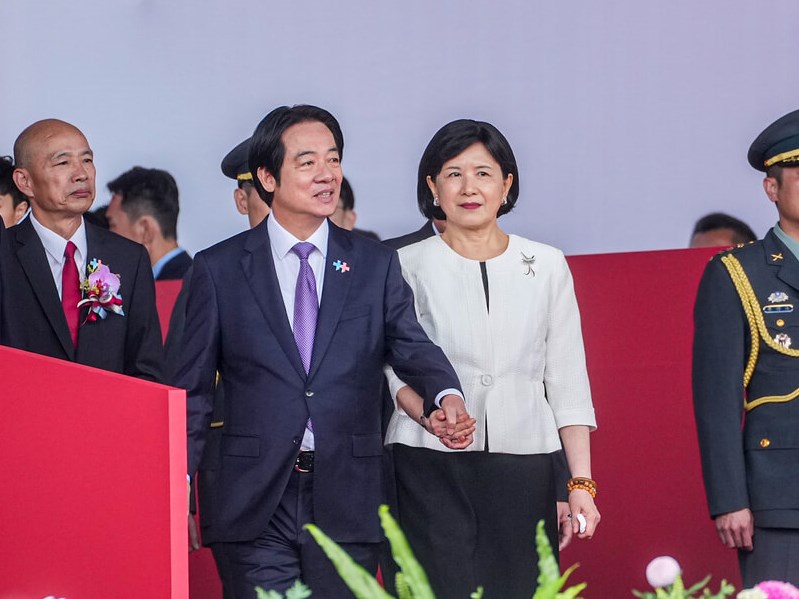
![Lai's WWII remarks warn of China's bid to reshape world order: Analysts]() Lai's WWII remarks warn of China's bid to reshape world order: AnalystsA senior official said Saturday that President Lai Ching-te's (賴清德) emphasis on preserving the historical facts of World War II in his National Day address highlighted concerns over Beijing's efforts to undermine the postwar international order.10/10/2026 07:27 PM
Lai's WWII remarks warn of China's bid to reshape world order: AnalystsA senior official said Saturday that President Lai Ching-te's (賴清德) emphasis on preserving the historical facts of World War II in his National Day address highlighted concerns over Beijing's efforts to undermine the postwar international order.10/10/2026 07:27 PM![Laos air base part of China's Indian Ocean ambitions: Expert]() Laos air base part of China's Indian Ocean ambitions: ExpertThe recent opening of a joint air support center in Laos is part of China's decades-long power-projection efforts to extend its influence into the Indian Ocean, a Taiwanese defense expert said Sunday.10/04/2026 04:44 PM
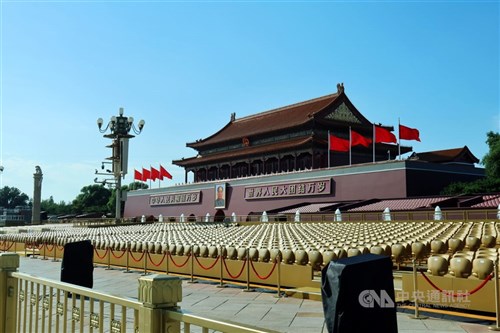
Laos air base part of China's Indian Ocean ambitions: ExpertThe recent opening of a joint air support center in Laos is part of China's decades-long power-projection efforts to extend its influence into the Indian Ocean, a Taiwanese defense expert said Sunday.10/04/2026 04:44 PM!['Hao-yu like that?' A deep dive into Lee's rookie MLB season]() 'Hao-yu like that?' A deep dive into Lee's rookie MLB seasonOne of the biggest stars on the Detroit Tigers' Threads account is infielder Lee Hao-yu (李灝宇), with posts featuring the Taiwanese rookie rarely drawing fewer than 5,000 likes, far more than the 1,000 likes posts featuring other players only occasionally draw.10/03/2026 10:00 AM
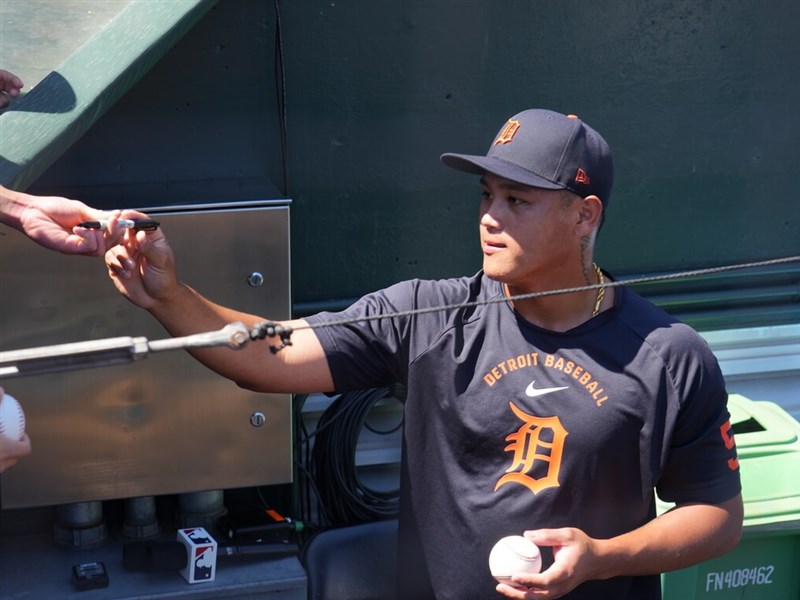
'Hao-yu like that?' A deep dive into Lee's rookie MLB seasonOne of the biggest stars on the Detroit Tigers' Threads account is infielder Lee Hao-yu (李灝宇), with posts featuring the Taiwanese rookie rarely drawing fewer than 5,000 likes, far more than the 1,000 likes posts featuring other players only occasionally draw.10/03/2026 10:00 AM
Latest
- Politics
Shen holds 1st Taipei campaign motorcade; Chiang urges debate coordination
10/11/2026 08:39 PM - Society
Firefighters work to extinguish Miaoli trash dump fire
10/11/2026 07:58 PM - Politics
Lai's National Day speech steady, avoided provoking Beijing: Scholar
10/11/2026 06:53 PM - Society
Songshan: The ups and downs of Taipei's 'other airport'
10/11/2026 06:36 PM - Society
Philippines opens largest OFW service center in Taipei, eyes expansion
10/11/2026 06:11 PM