Nearly 60% of Taiwan junior high students have non-core classes replaced: Poll
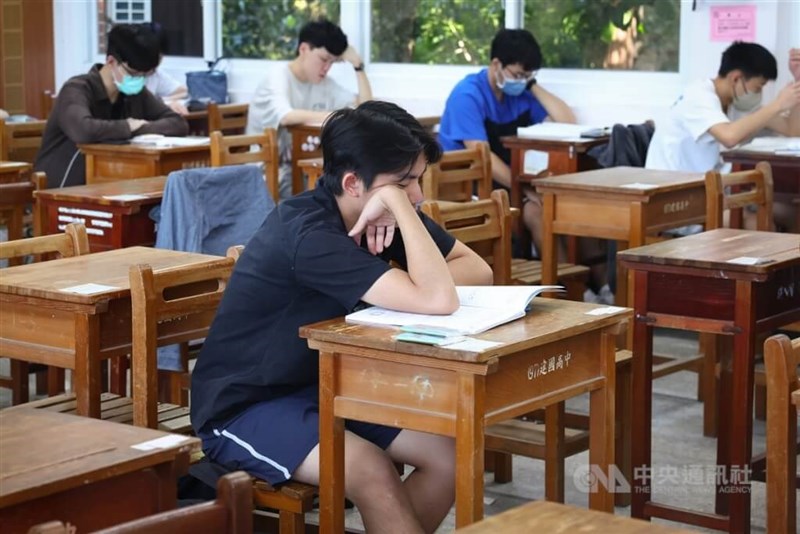
Taipei, May 18 (CNA) Nearly 60 percent of junior high school students in Taiwan have had classes such as physical education and arts replaced by core academic subjects, according to a survey released Monday by the nonprofit Child Welfare League Foundation.
The findings came as the Ministry of Education's guidelines on normal teaching practices at elementary and junior high schools entered their 13th year. Introduced in 2013, the policy aims to ensure balanced learning and rest schedules for students.
As part of the survey conducted between Nov. 24 and Dec. 22, 2025, the foundation collected responses from 2,021 junior high school students across Taiwan.
Despite more than a decade of policy enforcement, the findings highlight widespread non-compliance, the foundation said.
According to the survey, 58.7 percent of respondents had experienced teachers replacing non-core classes, down from 82 percent in 2015, but still affecting more than half of students.
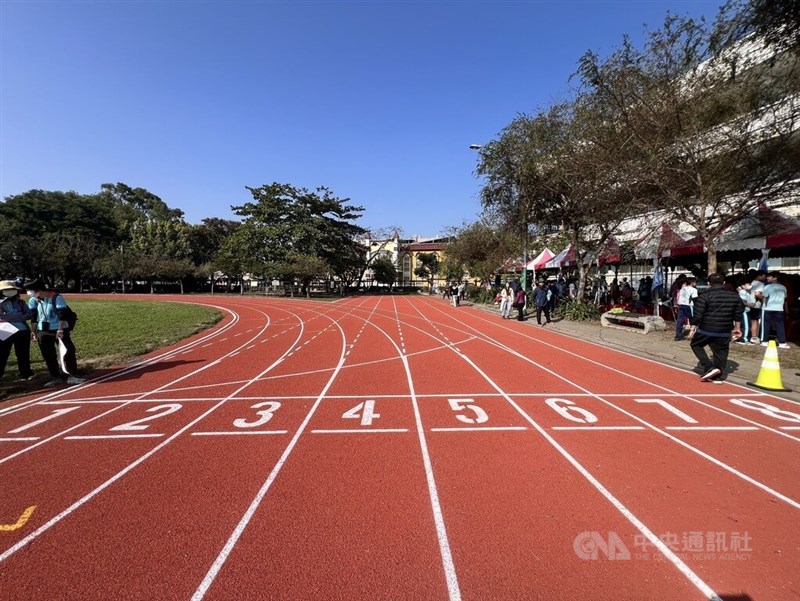
Subjects such as physical education and arts were increasingly replaced by core academic lessons as high school entrance exams approached, particularly among eighth and ninth graders, the survey found.
Despite Ministry of Education rules prohibiting tests during morning self-study sessions, lunch breaks and recess periods, 82.9 percent of students said they had taken tests during morning study sessions, while 38.1 percent reported being tested during lunch breaks or recess.
Some schools were also found to distribute exam papers labeled as "practice exercises" to circumvent the rules, in what the foundation described as "fake practice, real testing."
Around half of respondents said their break times had been canceled, particularly at private schools, due to punishment, rushed lesson schedules or extra study sessions before exams.
The survey found that more than half of students reported moderate or higher levels of fatigue, while 19.2 percent classified themselves as severely fatigued.
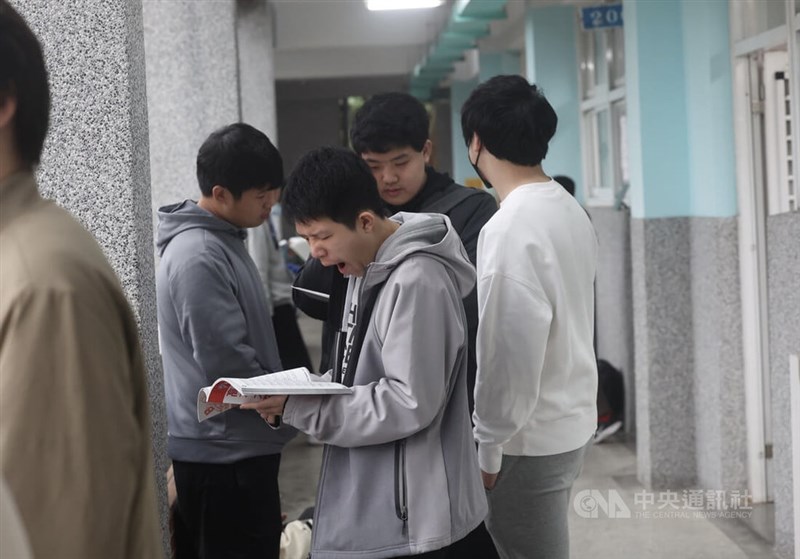
Only 20.8 percent of students said they got at least eight hours of sleep per night, while nearly 20 percent slept fewer than six hours daily. Among ninth graders, 57.8 percent reported sleeping less than seven hours a night.
The foundation said students in what it described as "abnormal teaching environments" showed significantly higher rates of severe fatigue, and called on education authorities to strengthen oversight and address excessive academic pressure on students.
- Business
Manufacturing sector flashes 'green' light in August
10/02/2026 05:20 PM - Sports
Lin Yu-ting sets sights on LA Olympics after winning Asian Games gold
10/02/2026 05:12 PM - Business
U.S. dollar closes lower on Taipei forex market
10/02/2026 04:18 PM - Politics
Ex-President Tsai Ing-wen to visit U.S., deliver speech at Stanford
10/02/2026 03:54 PM - Business
Taiwan shares end at new high but gains capped before U.S. jobs data
10/02/2026 03:51 PM