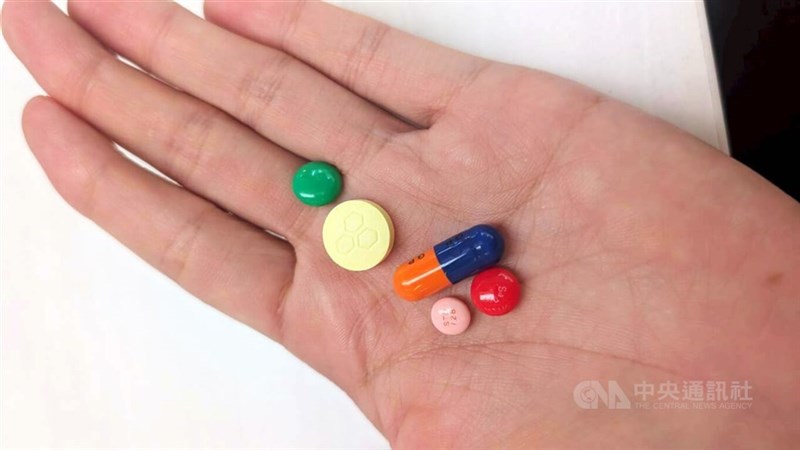
Taipei, April 5 (CNA) A proposed U.S. tariff regime targeting patented drugs is unlikely to affect the prices or the supply of medicines in Taiwan, officials said Saturday, citing the country's reliance on tariff-exempt generic drug exports.
The comments followed an executive order signed Thursday by U.S. President Donald Trump mandating tariffs of up to 100 percent on branded or patented drugs made overseas.
It sets a 20 percent tariff until April 2, 2030, for companies with approved plans to establish production in the United States, while waivers apply to firms with agreements on pricing and domestic production.
The order also states that the tariff-free status of generic drugs will be reviewed within one year.
While major economies such as the European Union, Japan, South Korea, and Switzerland secured a lower 15 percent rate through existing agreements, Taiwan's absence from the initial exemption list has sparked domestic concerns.
Deputy Health Minister Lin Ching-yi (林靜儀) took to social media late Saturday to calm public anxiety, urging citizens to distinguish between exports and imports.
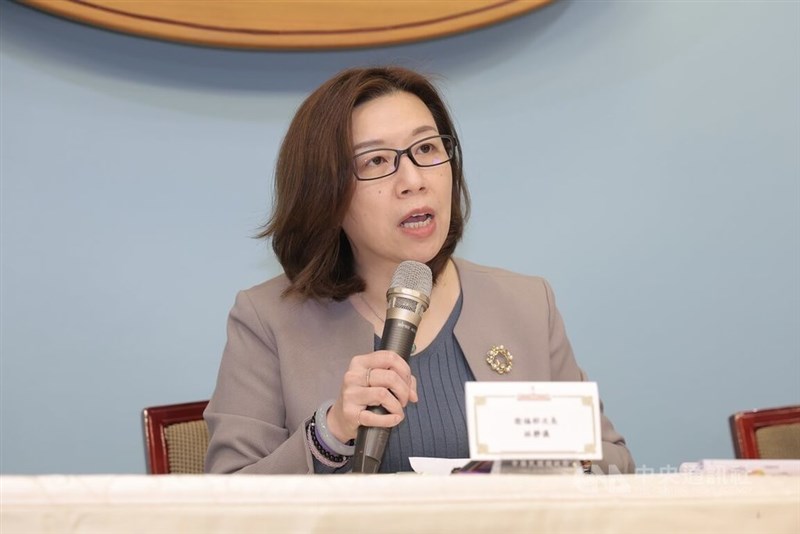
She emphasized that the April order is a tool used by the Trump administration to push manufacturing back to U.S. soil.
This makes patented drugs sold in the U.S. more expensive, not drugs in Taiwan, Lin wrote in a Facebook post, noting that Taiwan does not impose tariffs on pharmaceuticals imported from the U.S., meaning the prices and supply of American medications sold in Taiwan will remain stable.
Meanwhile, Chiang Chih-kang (姜至剛), director-general of Taiwan's Food and Drug Administration (TFDA), told CNA that Taiwan's pharmaceutical trade with the U.S. is dominated by generic drugs and their active pharmaceutical ingredients (APIs), which are not subject to the steepest tariffs.
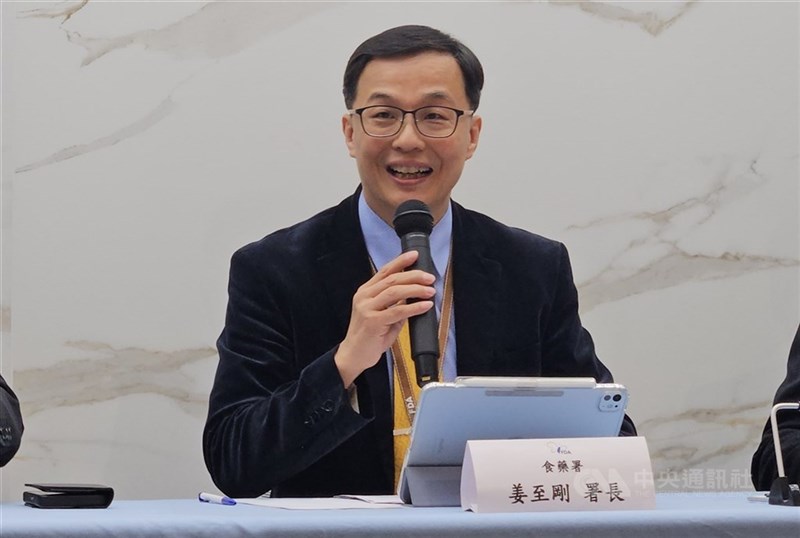
Citing 2024 data, Chiang said generics accounted for NT$8.47 billion (US$264.75 million), or 86.5 percent, of Taiwan's finished pharmaceutical exports to the U.S., while API exports totaled NT$544 million, or 9.9 percent of overall exports.
Although the U.S. has granted only a one-year exemption for generics, Chiang said tariff exemptions for these products and their raw materials are included in prior negotiations under a bilateral investment memorandum and the proposed Agreement on Reciprocal Trade (ART).
"The exemption for generic drugs and their ingredients is clearly written into the ART text," he said, adding that Taiwan will continue to engage Washington as the latter moves to rebuild the legal basis for reciprocal tariffs after the U.S. Supreme Court ruled Trump's "reciprocal" tariffs unconstitutional.
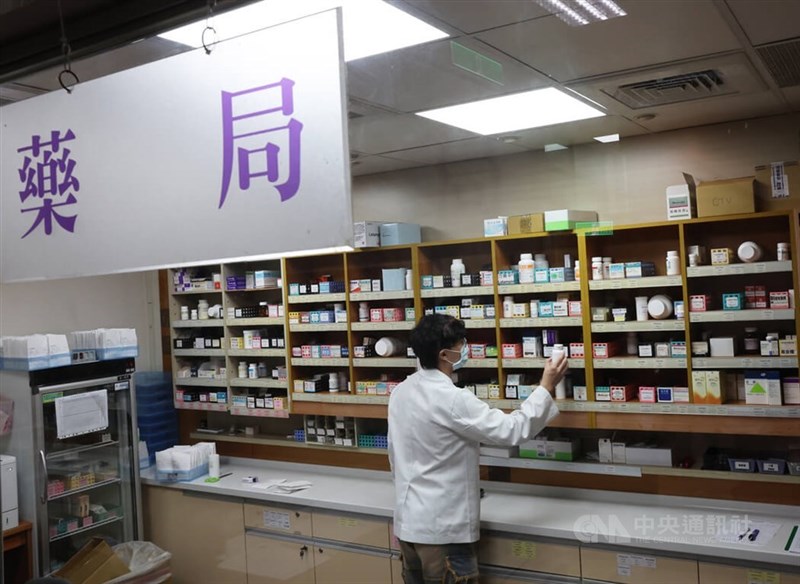
According to Chiang, Taiwan's exposure to patented drugs is limited, with only one such product exported to the U.S. and annual exports valued at about NT$1.32 billion. The manufacturer has already planned production in Puerto Rico to mitigate risks.
The TFDA said it will continue streamlining reviews for U.S. drug imports to ensure a stable supply and public access.
- Sports
Men's archery, esports give Taiwan 2 more bronzes at Asian Games
09/30/2026 08:32 PM - Society
Cooler, wetter weather forecast in northern Taiwan next week
09/30/2026 07:25 PM - Politics
Taiwan, Belize sign agreements to enhance collaboration during FM's visit
09/30/2026 07:08 PM - Society
AGC Display Glass employees protest at MOL ahead of 10/5 strike
09/30/2026 06:53 PM - Culture
CNA to relaunch Spanish-language Focus Taiwan with AI assistance
09/30/2026 05:59 PM