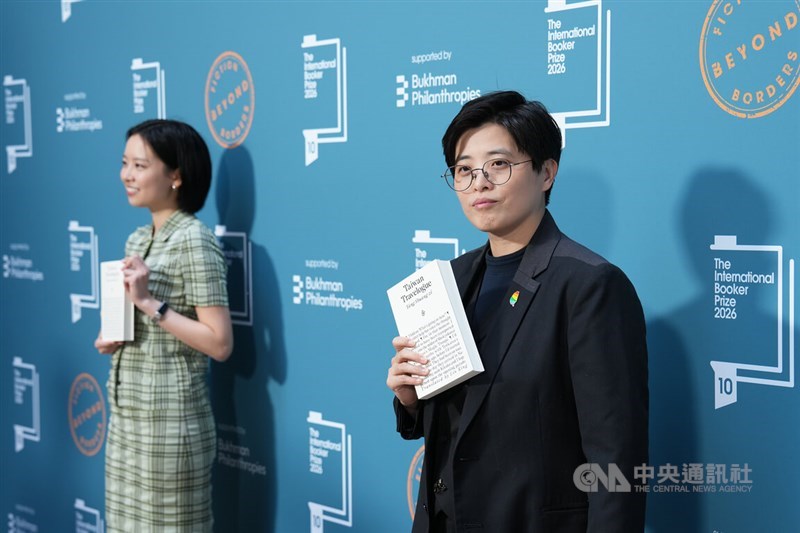
Taipei/London, May 20 (CNA) Yang Shuang-zi (楊双子), whose novel "Taiwan Travelogue" won the International Booker Prize on Tuesday, said her book was part of a long tradition of Taiwanese texts asking what kind of future and nation the Taiwanese people want.
Yang and the book's English translator Lin King (金翎) received the award at a ceremony at the Tate Modern Museum in London, making the novel the first from Taiwan to win what is considered one of Britain's top literary awards.
In her acceptance speech, Yang said that contrary to the view that art and literature must be kept far from politics, she believed that literature "cannot be kept separate from the soil in which it has grown."
"When surveying the modern history of Taiwan's literature, it is apparent that we writers have been asking the same questions for the past century: What kind of future do the people of Taiwan want? What kind of nation do the people of Taiwan want?"
Taiwan Travelogue, too, joins the long list of texts that investigate these questions, she said.
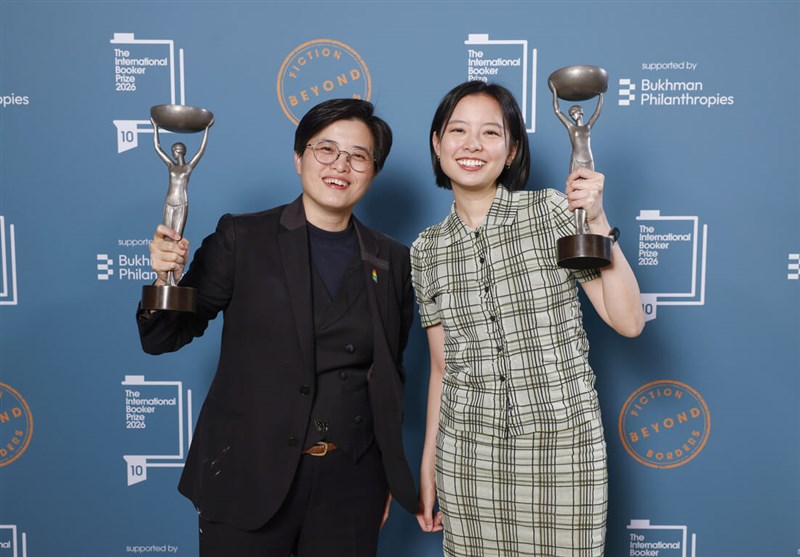
Noting that Taiwan's people have endured "geopolitical forces so much greater than our own," such as colonial regimes and threats of invasion, Yang said she nevertheless believed that literature wields power.
"I believe in literature's power because in the life of the mind, literature has never ceded ground or given up on the dialogue between people," she said.
Yang dedicated the closing words of her speech to "my homeland, Taiwan" saying that the centuries-old tradition of inquiry in Taiwan's literature was in fact "the centuries-old pursuit of freedom and equality by Taiwan's people."
"I feel very fortunate to have been born Taiwanese. I am very proud today to stand before you as a writer from Taiwan," Yang said.
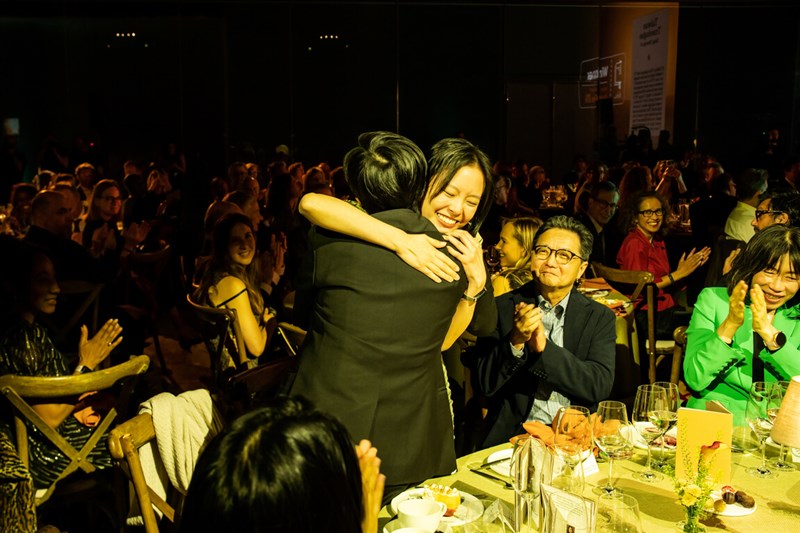
Lin King
In her acceptance speech, King said that after Russia invaded Ukraine in 2022, she decided that instead of translating Sinophone works "indiscriminately," she would only translate works from Taiwan for the foreseeable future.
"I will continue to do so, I told myself, until the day comes that my homeland's sovereignty is no longer a provocation or a punchline, until no English speaker feels comfortable saying to me, glibly, 'I really should come visit you in Taiwan -- while it still exists.'"
King said her English version of the novel -- which includes a translator's foreword, afterword, footnotes and three systems of pronunciation for the same characters -- challenged the publishing industry's standard that translation and translators "are best when we are invisible."
It also required hard work from the reader, she said, "because it refuses to simplify Taiwan's multilingual, multicultural and multiethnic reality."
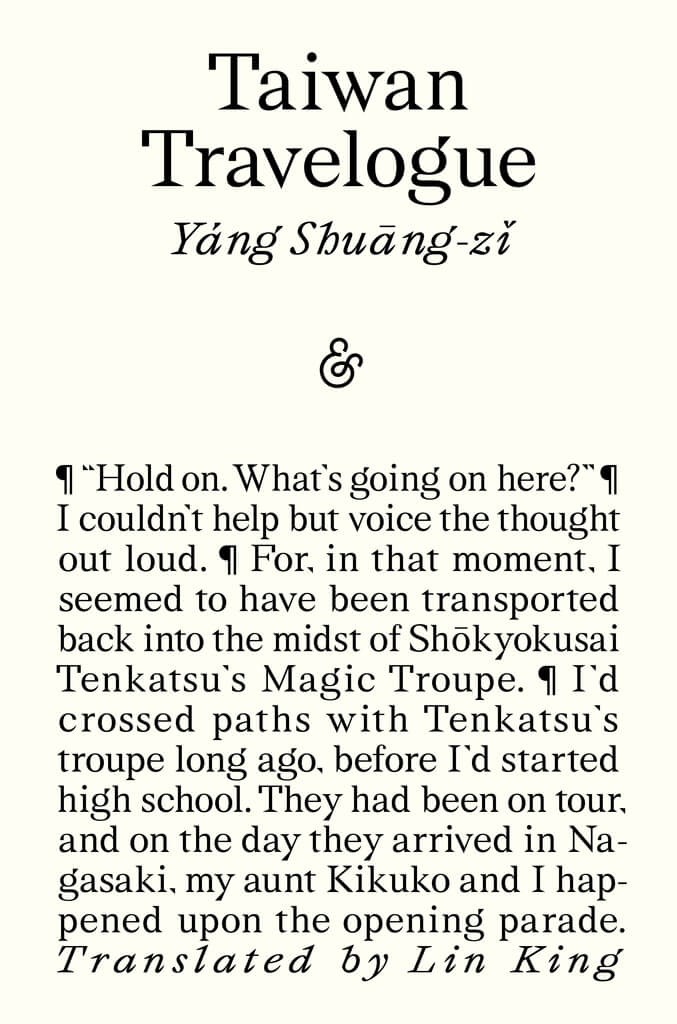
First published in 2020, "Taiwan Travelogue" is a work of historical fiction set in 1938 during Taiwan's Japanese colonial era.
The novel follows the friendship between a Taiwanese woman and a Japanese woman through a culinary and railway journey across Taiwan, exploring questions of identity, empire and cultural exchange.
The Booker Prize Foundation said the novel had been chosen by judges from a shortlist featuring writers and translators from eight countries and works originally written in five languages.
The judges described the novel as "a bittersweet story of love between two women, nested in artful exploration of language, history and power."
During a speech marking his second year in office Wednesday, President Lai Ching-te (賴清德) congratulated Yang and King on the award, saying it showed that Taiwanese young people "can shine on the world stage."
- Business
U.S. dollar closes higher on Taipei forex market
09/23/2026 04:11 PM - Society
Taiwan's health token incentive program
09/23/2026 04:09 PM - Politics
Taiwan's new armored vehicle makes live-fire media debut
09/23/2026 04:04 PM - Business
Transportation fair in Berlin features Taiwan pavilion for first time
09/23/2026 03:51 PM - Sports
Semifinal exit for Chen Po-yi in Asian Games men's soft tennis singles
09/23/2026 03:49 PM