INTERVIEW/Tang Prize laureate Susan Solomon says environmental successes offer hope
By Hans Lin and Sean Lin, CNA staff reporters
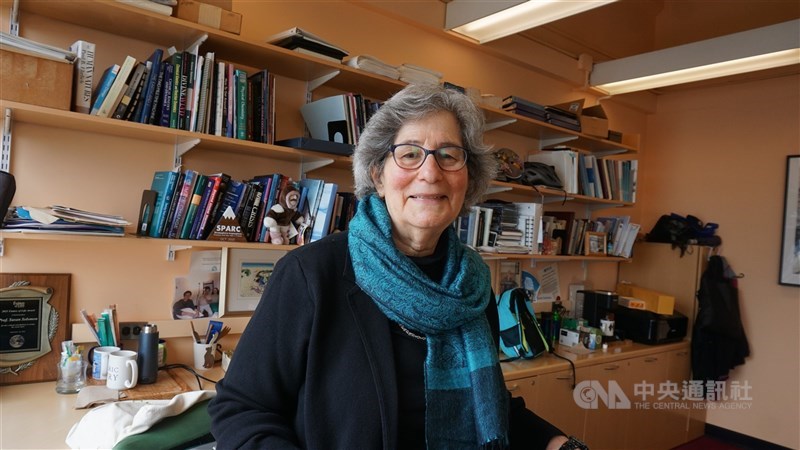
For Susan Solomon, receiving the news that she had won the 2026 Tang Prize in Sustainable Development was both surreal and deeply humbling.
"It's an incredible feeling," she told CNA in an interview, reflecting on joining a list of laureates she had long admired. "Jane Goodall, Gro Harlem Brundtland, Jim Hansen...these are amazing people that I enormously respect. I'm stunned."
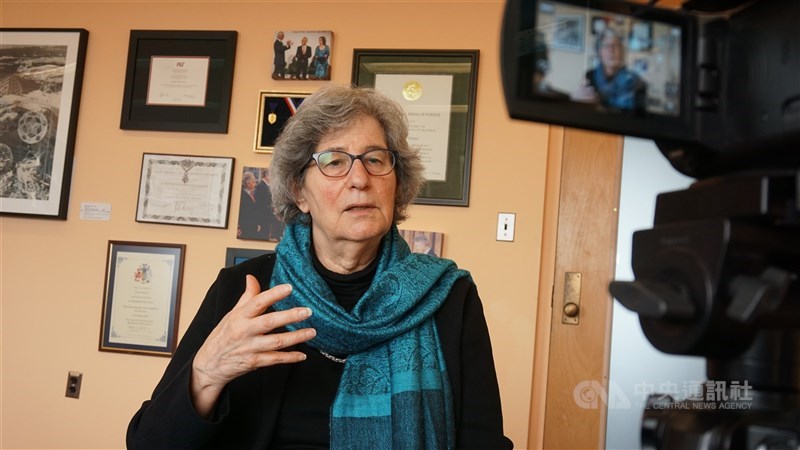
The recognition was fitting for a scientist whose work has fundamentally changed humanity's understanding of the atmosphere, yet it was not something Solomon said she has ever sought.
"I'm actually a very shy person," she said. "I just wanted to bring some facts into the discussion."
Finding wonder
That commitment to evidence began early. At nine years old, Solomon sat transfixed in front of a black-and-white television watching French ocean explorer Jacques Cousteau reveal the mysteries of the underwater world.
"I decided right then and there that I was going to be a scientist," she recalled. "What kind of scientist, I didn't know."
She eventually found her calling in atmospheric chemistry, a path that took her to Antarctica, one of the harshest and most beautiful places on Earth.
It left an indelible mark. Solomon still remembers the vast whiteness unfolding beneath the aircraft windows, untouched by humans.
"You don't see any cities or towns. You don't see boats. You don't see lights," she said. "You see absolutely nothing but this untouched continent."
The beauty was breathtaking, but the work was unforgiving. Researchers had to anticipate every detail, she said, because forgotten supplies could not be easily replaced.
During one experiment, Solomon recalled, she climbed onto a rooftop in extreme cold to adjust equipment.
"My tears actually froze," she said. "I realized after a while I couldn't open my eyelid."
Those experiences reinforced both nature's grandeur and its fragility.
"When you see what untouched nature can really be, you realize how important it is for us to protect it."
Taking on conventional wisdom
At just 29 years old, Solomon made the breakthrough that explained the Antarctic ozone hole. While many established scientists had focused on reactions occurring solely in gases, she considered something others had largely dismissed: chemistry taking place on surfaces.
"I hadn't had my brain washed yet," she said. "I could actually think about things outside the box."
Her willingness to challenge assumptions transformed atmospheric science and helped pave the way for one of humanity's greatest environmental success stories: international action through the Montreal Protocol.
It phased out ozone-depleting chemicals and demonstrated that governments, scientists and industry could work together to solve a global crisis.
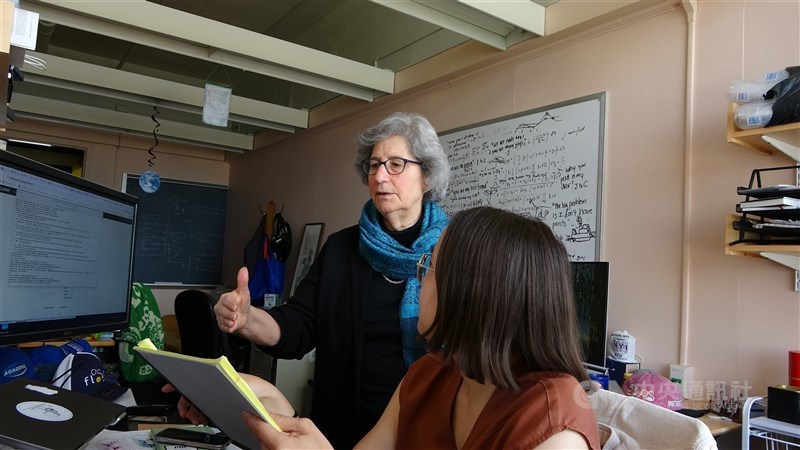
Throughout her career, from participating in the periodic assessments of the Montreal Protocol to co-leading the scientific assessment of the Intergovernmental Panel on Climate Change in 2007, she has also witnessed how crucial international cooperation between scientists is to affect policy.
"One of the things that was the most informative to me was actually seeing how important it is for scientists around the world to interact and talk with each other," she said. "Only after scientists reach a common view can you inform policy people."
Reasons for hope
Despite the challenges she has witnessed throughout her career, Solomon remains optimistic.
Humanity has confronted major environmental problems before, from leaded gasoline and persistent pesticides to urban smog, and has made meaningful progress, she said.
"We have the tools to solve the problem," she said, noting that renewable technologies have become more affordable, electric vehicles have become increasingly commonplace, and many countries are accelerating their transition away from fossil fuels.
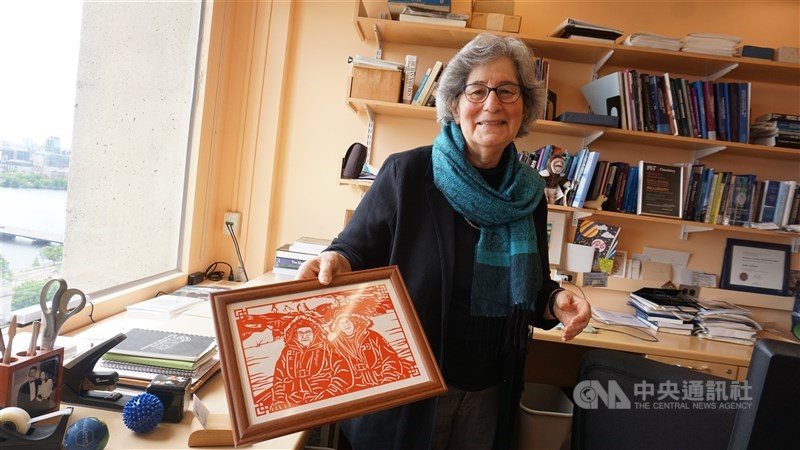
As she prepared for her visit to Taiwan later this year, Solomon hoped young people would draw strength from the world's successes in solving environmental problems rather than despair from today's headlines.
"It's easy to be discouraged," she said. "Don't let that convince you to be a negative person yourself."
More importantly, she urged young people to contemplate in what ways they could benefit the Earth's future.
"See what you can do to help the planet," she said. "Because the planet really does need your help."
Enditem/ls
![Belize PM Briceño seeks deeper cooperation with Taiwan, invites investment]() Belize PM Briceño seeks deeper cooperation with Taiwan, invites investmentBelize Prime Minister John Briceño has called for deeper cooperation with Taiwan through investment, technology exchanges, and people-to-people ties, saying that he hopes those links will contribute to his country's development.10/15/2026 02:19 PM
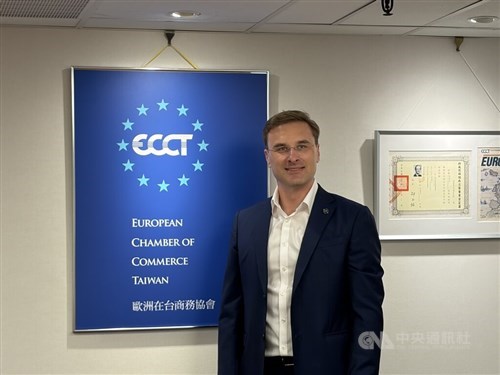
Belize PM Briceño seeks deeper cooperation with Taiwan, invites investmentBelize Prime Minister John Briceño has called for deeper cooperation with Taiwan through investment, technology exchanges, and people-to-people ties, saying that he hopes those links will contribute to his country's development.10/15/2026 02:19 PM![New ECCT chair urges greater agility in Taiwan's software, energy sectors]() New ECCT chair urges greater agility in Taiwan's software, energy sectorsTaiwan is known for its strength in hardware manufacturing, but Frank Grunert, the new chairperson of the European Chamber of Commerce Taiwan (ECCT), sees considerable potential in software as well.10/10/2026 12:36 PM
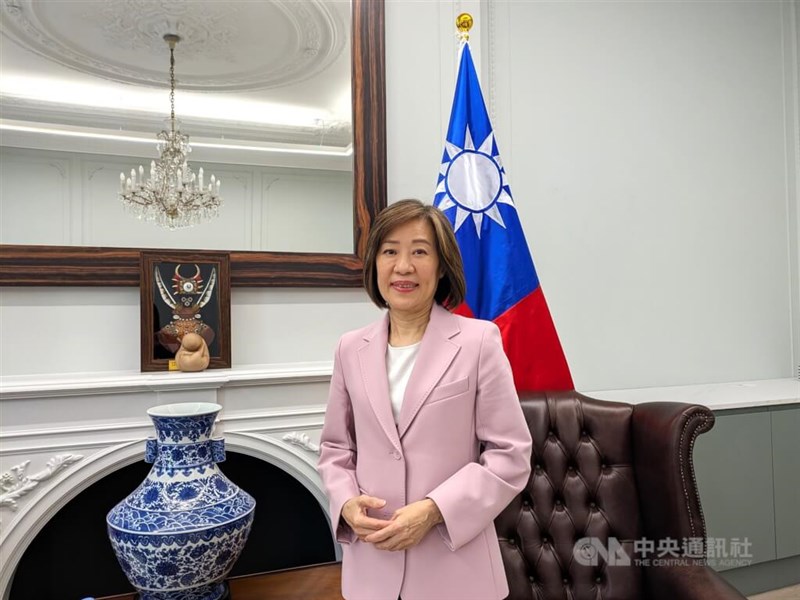
New ECCT chair urges greater agility in Taiwan's software, energy sectorsTaiwan is known for its strength in hardware manufacturing, but Frank Grunert, the new chairperson of the European Chamber of Commerce Taiwan (ECCT), sees considerable potential in software as well.10/10/2026 12:36 PM![Strategic partnership key to Taiwan-U.K. cooperation: Deputy economics minister]() Strategic partnership key to Taiwan-U.K. cooperation: Deputy economics ministerTaiwan's Deputy Minister of Economic Affairs Cynthia Kiang (江文若), who has just concluded an annual economic and trade dialogue with her U.K. counterpart in London, said Friday that establishing a strategic partnership is key to bilateral cooperation.10/03/2026 01:53 PM
Strategic partnership key to Taiwan-U.K. cooperation: Deputy economics ministerTaiwan's Deputy Minister of Economic Affairs Cynthia Kiang (江文若), who has just concluded an annual economic and trade dialogue with her U.K. counterpart in London, said Friday that establishing a strategic partnership is key to bilateral cooperation.10/03/2026 01:53 PM
- Society
Typhoon Champi to turn away from Taiwan, will still bring heavy rain
10/19/2026 07:53 PM - Society
Taiwan, Philippines sign animal husbandry research pact
10/19/2026 07:26 PM - Society
Workers rally in Taipei for pension reform, profit-sharing rules
10/19/2026 07:00 PM - Politics
Ho proposes bus reforms; Chiang outlines smart safety network in Taichung
10/19/2026 06:21 PM - Sports
Xiao Xiang-wen wins Taiwan's 1st gold at Nagoya Asian Para Games
10/19/2026 06:04 PM