2-in-1 screening could cut gastric cancer deaths, yield benefits: NTUH
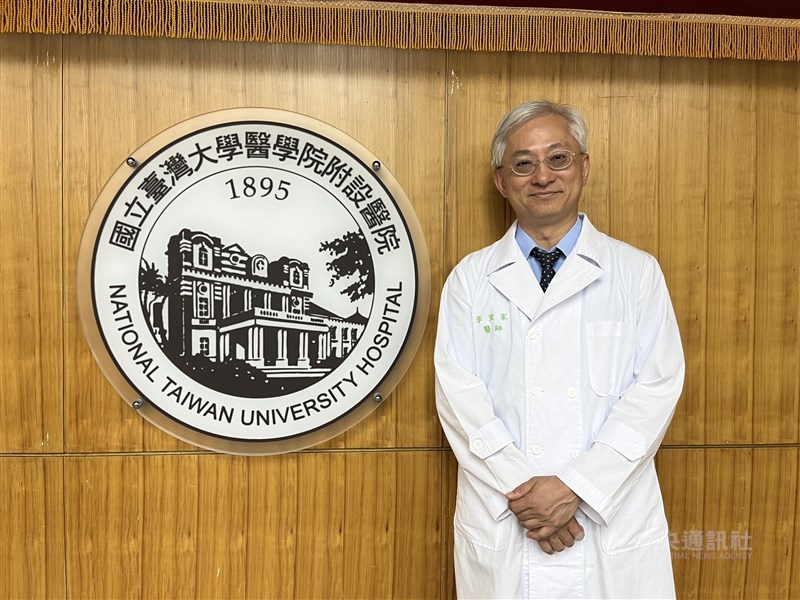
Taipei, July 17 (CNA) Adding a one-time test for a common stomach bacterium to Taiwan's existing colorectal cancer screening program could generate societal benefits worth five times the cost while cutting gastric cancer deaths, a study led by National Taiwan University Hospital (NTUH) has found.
"Most cancer screening programs require additional spending to achieve health benefits and extend lives," Lee Yi-chia (李宜家), a clinical professor in NTUH's Department of Internal Medicine, told CNA in an interview on Tuesday.
The two-in-one strategy, however, could "extend lives while also saving money," Lee said of the study, published online in the Journal of the American Medical Association (JAMA) on June 1.
Taiwan's two-in-one screening approach
The approach Lee was advocating involves screening for colorectal cancer and Helicobacter pylori (H. pylori) infection using the same stool sample.
Taiwan has offered eligible adults biennial fecal immunochemical testing (FIT), which detects hidden blood in stool, as part of its colorectal cancer screening program since 2004.
Starting on Jan. 1, 2026, Taiwan became the first country in the world, according to Lee, to offer people aged 45-74 a one-time H. pylori stool antigen test alongside a FIT nationwide to detect infection with the bacterium, the leading cause of gastric (stomach) cancer.
As a result, 605,579 asymptomatic people in Taiwan had undergone the H. pylori antigen test as of July 15, Lee said, far more than the 109,205 asymptomatic people who had been screened over the previous 20 years.
This strategy grew out of decades of research by Lee and other experts, including a 10-year randomized trial in Changhua County that provided evidence the combined testing could reduce gastric cancer incidence.
"H. pylori is a carcinogen, and people infected with it face about six times the risk of developing gastric cancer as those who are not infected," Lee said. "But the bacterium can be easily detected through a breath or stool test and eradicated with antibiotics."
Without population-based screening for gastric cancer itself, the disease is less likely to be detected at an early stage, "so its fatality rate is higher, as many cases are already advanced by the time they are diagnosed," Lee said.
Gastric cancer claimed 2,225 lives in Taiwan in 2025, making it the country's eighth-leading cause of death from cancer, according to Ministry of Health and Welfare statistics.
Cost-effectiveness
The idea of launching the two-in-one strategy was to get more people to engage in H. pylori screening for gastric cancer prevention, but that also meant extra costs and resources.
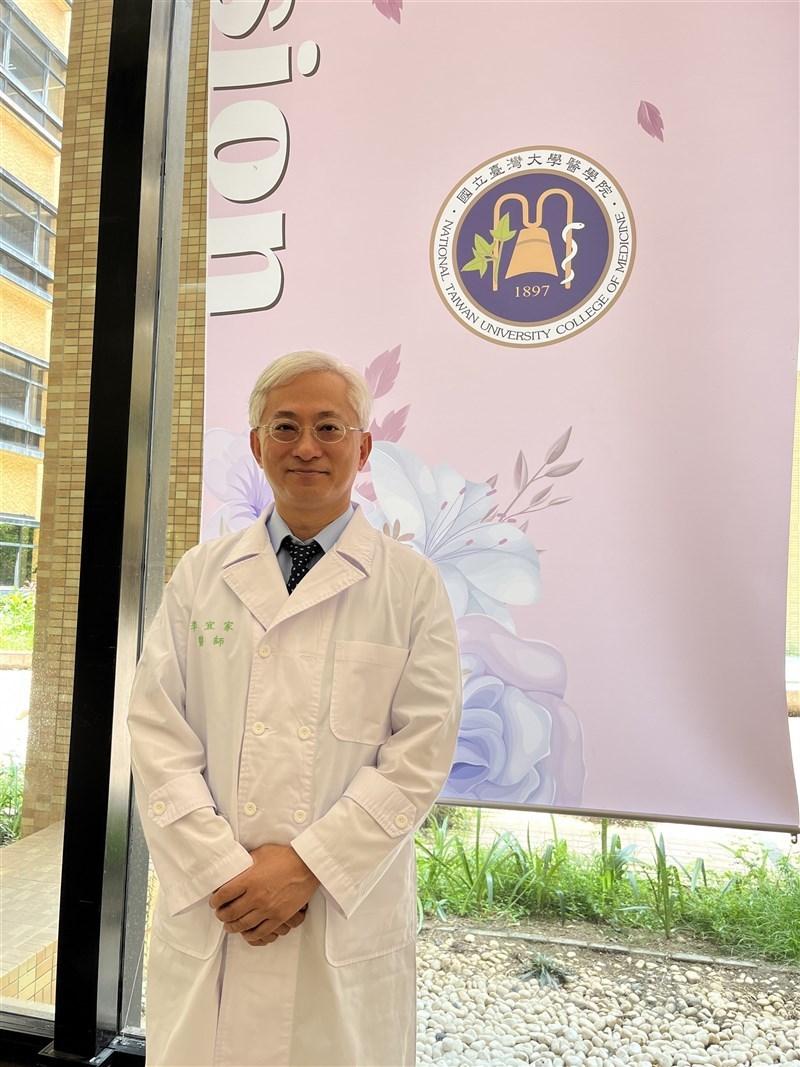
"It's not enough for a measure to be effective. For it to become public policy, we also have to consider whether it's cost-effective," Lee said, which is why the new study was done.
Using data from the clinical trial involving about 240,000 people in Changhua County, the researchers modeled the health outcomes and societal costs for a hypothetical cohort followed from age 50 to 80 over 30 years, including medical expenses and time spent on screening and treatment.
Compared with a FIT alone, the two-in-one strategy was projected to reduce gastric cancer mortality by 13.5 percent.
It also produced a benefit-cost ratio of 5.08, meaning every US$1 invested in H. pylori screening and early treatment would generate an estimated US$5.08 in monetized societal benefits.
Lee said the initial costs of screening and antibiotic treatment could be offset over time by avoiding expenses associated with gastric cancer surgery, chemotherapy, targeted therapies and hospitalization.
In Taiwan, the strategy was projected to remain cost-effective at an H. pylori prevalence of at least 17 percent, below the current rate of about 22 percent among people aged 45-74 targeted by the nationwide program, according to Lee.
"The strategy is most applicable in places where gastric cancer incidence is similar to Taiwan's and an established colorectal cancer screening program is already in place," Lee said.
The findings did not necessarily support nationwide screening in the U.S., where H. pylori prevalence is relatively low in the general population.
Instead, the strategy could be more suitable for higher-risk groups in the U.S., including immigrants from parts of Asia and Latin America, where H. pylori is more prevalent and is often acquired in childhood.
Global guidance
Beyond Taiwan, the work that Lee and his team have done is having an impact internationally.
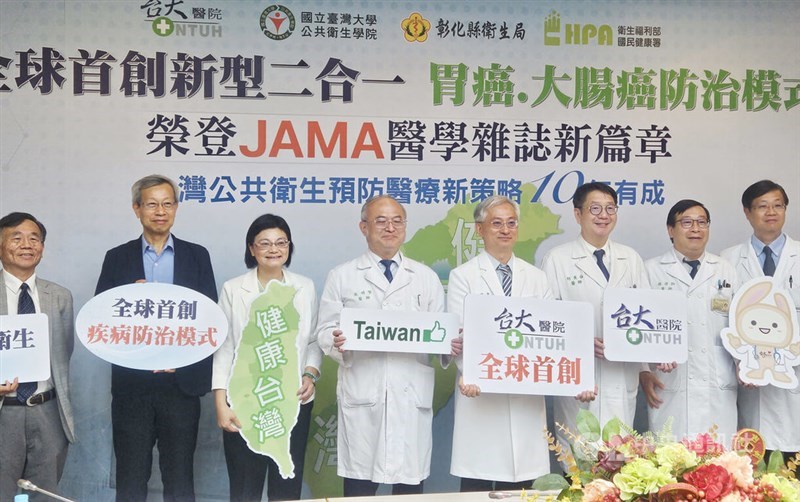
Lee was among 35 experts from 20 economies convened by the World Health Organization's (WHO) International Agency for Research on Cancer (IARC) to develop 2025 guidance on population-based H. pylori screen-and-treat programs for gastric cancer prevention.
Lee said Taiwan provided "real-world evidence" that informed the guidance, summarized in a "Sounding Board" article published in the New England Journal of Medicine in March, and it included a discussion of the two-in-one stool-testing approach as a way to build on existing colorectal cancer screening infrastructure.
Such high-level involvement was notable because Taiwan was not invited to the World Health Assembly for a 10th consecutive year in 2026 amid Beijing's opposition, making the project an uncommon avenue for Lee, the IARC working group's only expert from Taiwan, to help shape WHO-linked global health guidance.
- Business
Most expect housing prices to stabilize in Q4: Survey
09/15/2026 06:34 PM - Society
Doctors who let unlicensed vendors perform surgeries avoid jail
09/15/2026 06:03 PM - Society
Taiwan plans data checks to identify medically unfit drivers
09/15/2026 05:50 PM - Business
Taiwan shares close lower as tech stocks fall on AI concerns
09/15/2026 04:33 PM - Society
Over 1,000 apply for 15 new Taiwan High Speed Rail driver positions
09/15/2026 04:28 PM