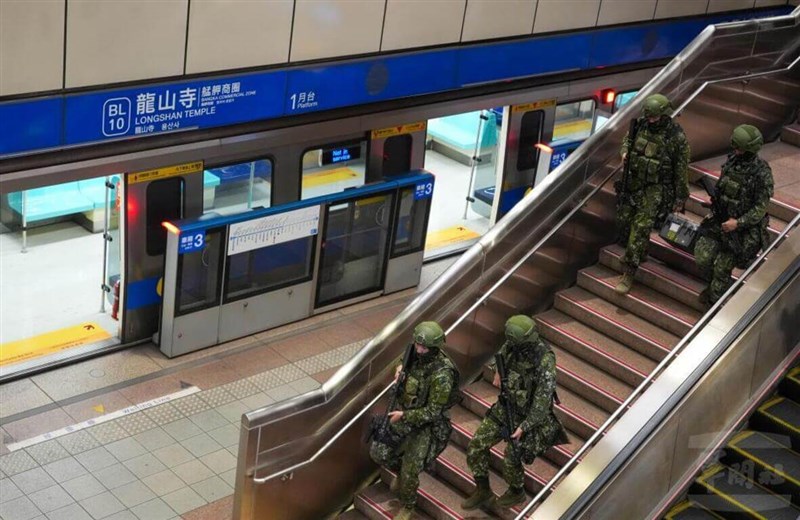
Taipei, July 19 (CNA) Taiwan's military conducted several cross-regional reinforcement drills over the past week that defense experts said focused on locations most vulnerable to a Chinese attack and critical for testing Taiwan's wartime operational plans.
In one exercise, the Army took an alternative route along the Suhua Highway to move battle tanks, armored vehicles and artillery from the eastern county of Hualien to Suao Township on Taiwan's northeastern coast.
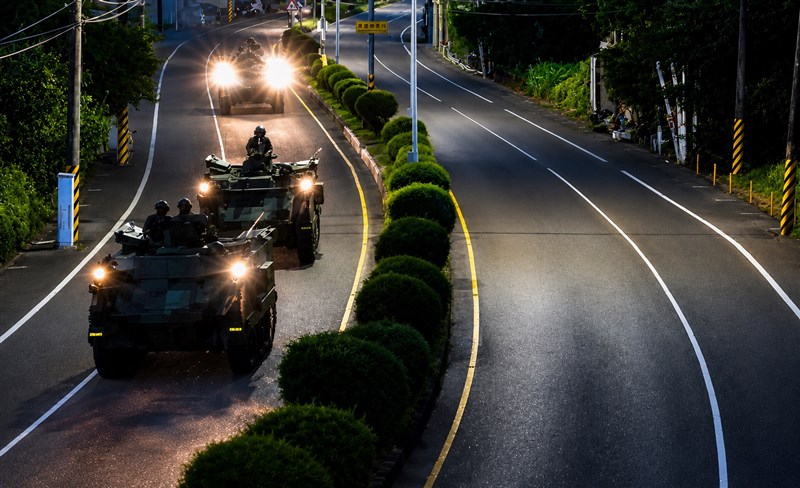
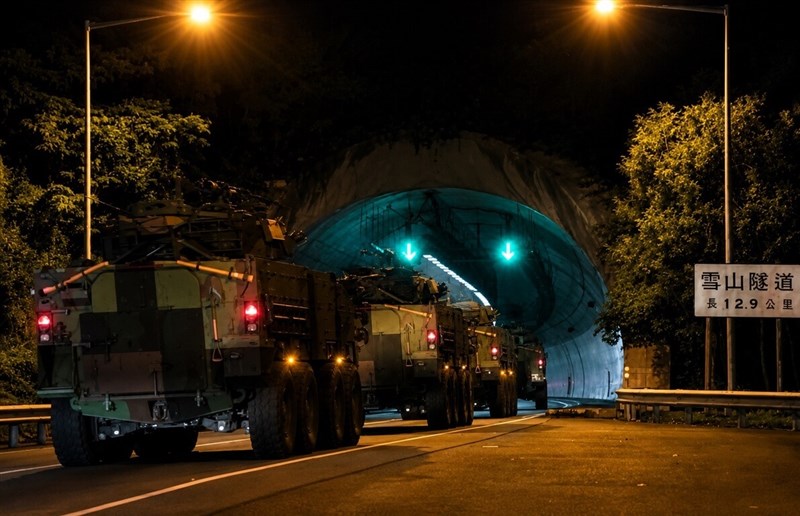
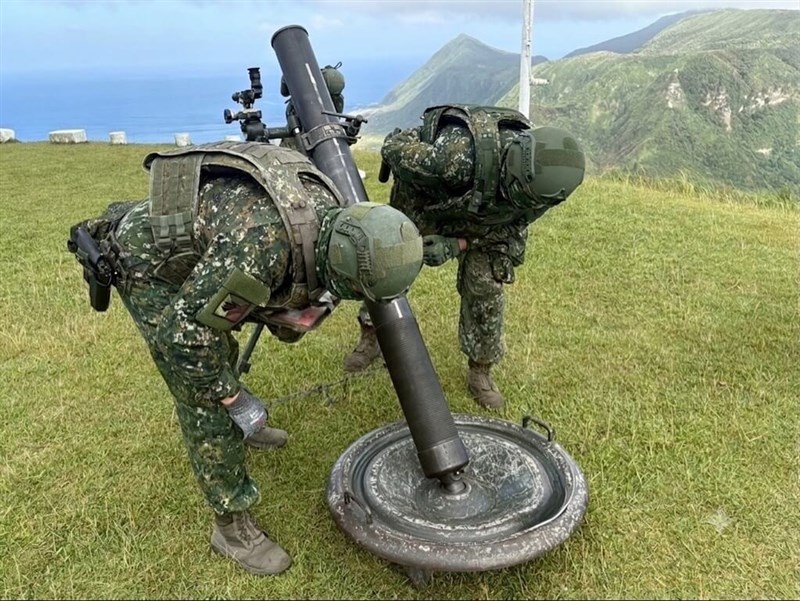
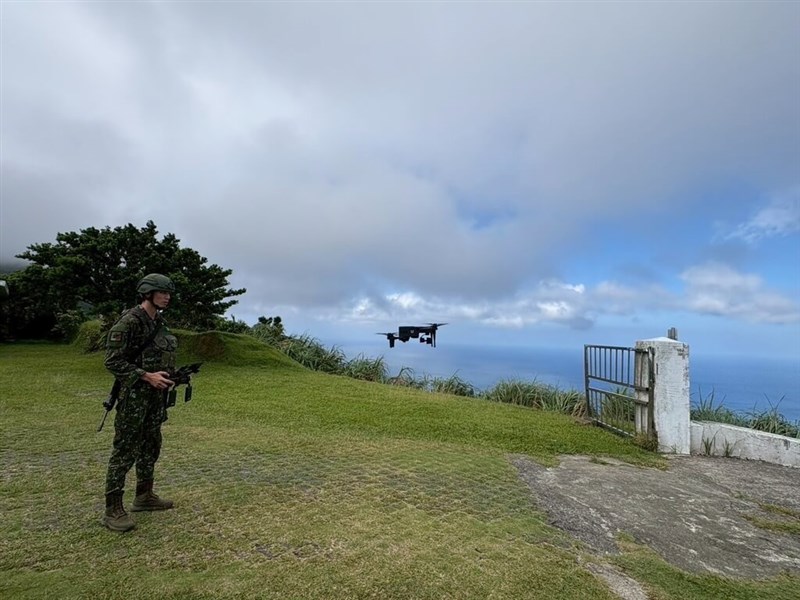
In separate exercises, an Army command based in eastern Taiwan deployed troops to Orchid Island and Green Island to simulate the expulsion of enemy forces, while another command based in Yilan County sent armored vehicles and artillery through the Hsuehshan Tunnel for the first time to reinforce an undisclosed location in western Taiwan.
Drills test ability to reinforce vulnerable areas
Chieh Chung (揭仲), a researcher at the government-funded Institute for National Defense and Security Research (INDSR), said the locations chosen for the reinforcement drills were areas Taiwan's military has identified as likely targets of the People's Liberation Army's (PLA) main assault.
As an example, Chieh said Orchid Island, located about 65 kilometers off Taiwan's southeastern coast, was once considered to have little strategic value. In recent years, however, Taiwan has been forced to reassess that view after China deployed Type 075 landing helicopter docks to waters off its southeastern coast.
"Now, there's the possibility that if Orchid Island is captured, [the PLA] could use it as a staging area for its helicopter units to reinforce combat troops on Taiwan's main island," Chieh said. "That would be much more convenient and efficient than flying helicopters across the Taiwan Strait from Fujian Province."
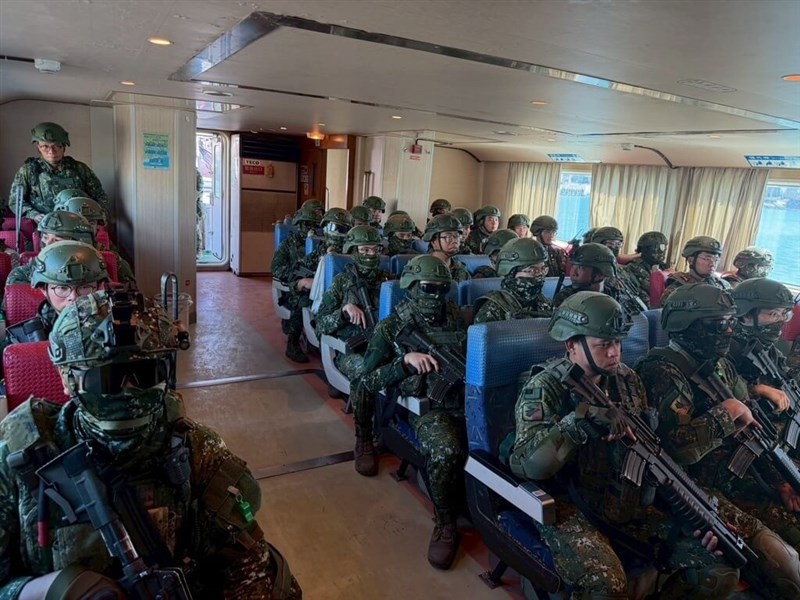
Su Tzu-yun (蘇紫雲), another INDSR researcher, said the Orchid Island and Green Island drills involved transporting troops and equipment by land and sea before moving them inland again, complex operations that require regular practice.
Asked about the significance of the other two reinforcement drills on Taiwan proper, Chieh said they should not be dismissed as simple troop movements, emphasizing that they were intended to validate wartime operational plans.
Taiwan's armed forces have developed operational plans for a wide range of scenarios, and the reinforcement drills conducted over the past week were designed to test those plans, Chieh added.
"Without live troop exercises, there would be no way of determining whether troops are familiar with the plans or whether they have made adequate preparations," he said.
Exercises validate wartime mobility plans
More importantly, Chieh said, only by driving military vehicles along planned routes in wartime formations can the armed forces determine whether their mobilization plans will work in practice.
As an example, he cited an incident during the 2025 Han Kuang military exercises in which a Patriot missile launcher became stuck in New Taipei's Xindian District after catching on a rain awning while making a turn, leaving it stranded for more than two hours.
The incident highlighted a "mismatch" between the military's road movement plan and actual conditions on the ground, preventing what should have been a smooth deployment, he said.
"Terrain and urban environments may have changed between the formulation of an operational plan and a contingency, making it necessary to deploy troops in advance to validate the plan," Chieh noted.
Su added that moving military equipment and personnel is already a challenging task, made even more demanding when vehicles must travel in formation.
The reinforcement mission from Yilan to western Taiwan, for example, involved CM33 armored vehicles, CM23 mortar carriers and 105-millimeter howitzers, according to the Fourth Theater Command.
"Such drills are absolutely necessary, just as enterprises regularly conduct fire drills," Su said.
- Business
Central bank mulls forex intervention after Taiwan dollar losses
10/19/2026 01:07 PM - Sports
Taiwan sports minister skips Asian Para Games opening over credential issue
10/19/2026 12:59 PM - Culture
Taroko National Park marks 40th anniversary with concert series
10/19/2026 12:50 PM - Sports
Aquas fall to Dreamers despite Adam Hinton's strong TPBL debut
10/19/2026 12:47 PM - Business
Finance minister leads Taiwan delegation to APEC meeting in Hong Kong
10/19/2026 11:38 AM