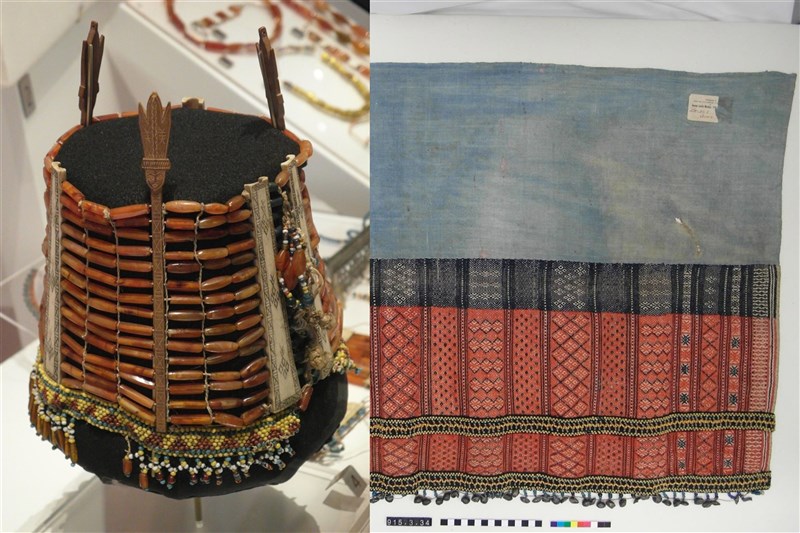
Taipei, June 7 (CNA) A delegation from the Kavalan Cultural Foundation of Hualien County departed for Canada on Friday to study more than 40 Kavalan artifacts collected by Canadian missionary Dr. George Leslie Mackay in the 1880s, the foundation said Sunday.
The delegation will also film a documentary featuring the artifacts, according to a post published by the foundation on Facebook.
Mackay visited Kavalan settlements across the Lanyang Plain, in present-day Yilan County, multiple times during the 1880s while preaching in Taiwan. The Kavalan are one of the 16 officially recognized Indigenous peoples in Taiwan.
The missionary collected numerous artifacts, including banana-fiber textiles, women's ceremonial dresses, headdresses, belts, wrist ornaments and weaving tools, during the visits. After returning to Canada, he donated the collection to the Royal Ontario Museum.
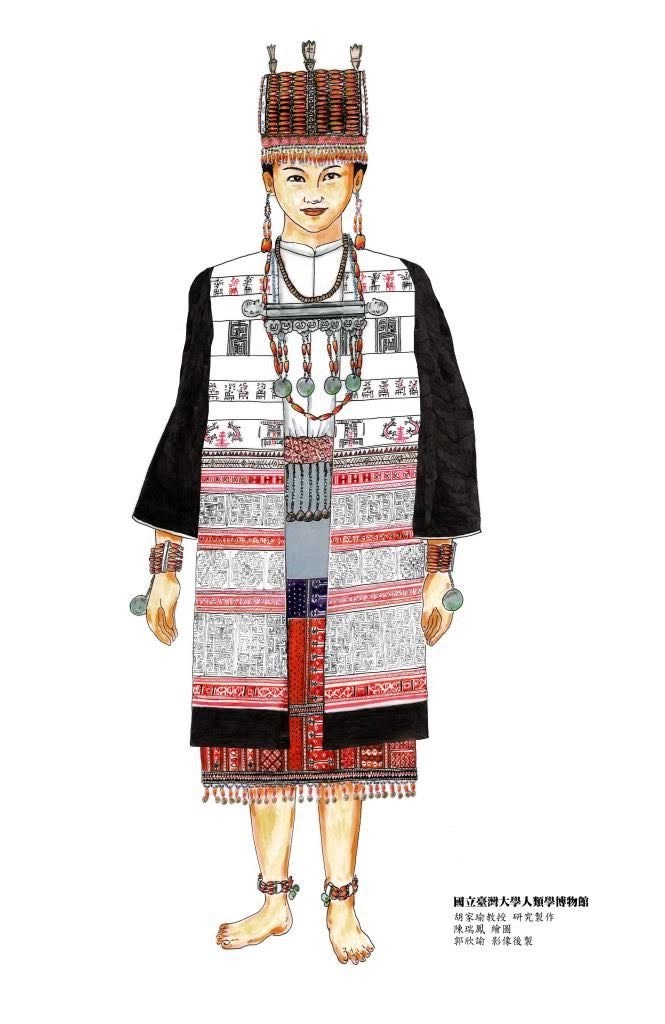
According to the foundation, the objects were later identified as Kavalan cultural artifacts by the late Hu Chia-yu (胡家瑜), an anthropology professor at National Taiwan University, during research visits to the museum in 2000.
Hu later shared her photographs and research findings with the Xinshe Tribe Banana Silk Weaving Group in Hualien.
The foundation said these photos and research findings became a crucial link for the Kavalan people to reconnect with ancestral knowledge and cultural traditions, and helped lay the groundwork for the revival of the tribe's banana-fiber weaving craft.
It added that the collection offers a rare glimpse into 19th-century Kavalan life and represents an important record of the tribe's history and culture.
Foundation Chairman Bauki Angaw said the trip marks the first time Kavalan descendants have traveled to Canada to examine, document and measure the long-dispersed artifacts.
The visit will help "reconnect the past with the present," he said, describing it as highly significant.
Working alongside researchers and specialists, the seven-member Kavalan delegation will conduct analyses of textile structures, weaving patterns, aesthetics and techniques, according to the foundation.
The findings are expected to support future efforts to revive traditional weaving techniques and strengthen cultural education programs, the foundation said.
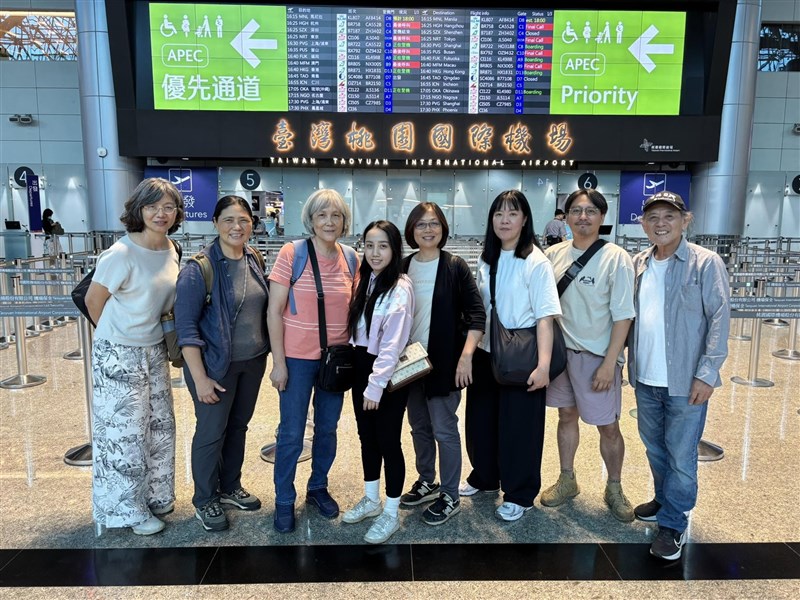
Members of the delegation include three weavers, two documentary filmmakers, a professor specializing in indigenous studies and a curator specializing in Indigenous exhibitions.
The Kavalan are an Indigenous people of Taiwan who have lived for centuries on the Lanyang Plain, and are known for their banana-fiber weaving techniques, according to the Council of Indigenous Peoples.
The tribe was officially recognized as a distinct Indigenous group by Taiwan's government in 2002.
- Society
Taiwanese actor Wang Kai found dead at Taipei home
07/26/2026 07:09 PM - Society
Miaoli Mazu temple becomes Taiwan's 1st to retire carbon credits
07/26/2026 07:06 PM - Society
20-year-old college student drowns at Sun Moon Lake
07/26/2026 05:41 PM - Culture
Spider-Man makes Taipei his new 'friendly neighborhood' at summer festival
07/26/2026 03:41 PM - Culture
Taiwan makes debut at World Children's Festival in U.S. capital
07/26/2026 03:23 PM