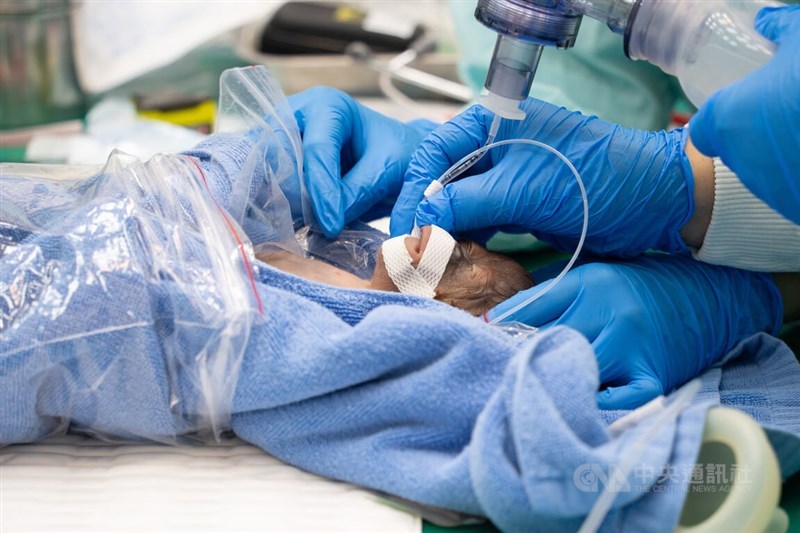
Taipei, June 29 (CNA) A captive orangutan at the Taipei Zoo successfully delivered twins by cesarean section on Monday in a case described by the zoo as exceptionally rare in international breeding records.
Working with National Taiwan University Veterinary Hospital, the operation was completed in about 3 minutes and 50 seconds and successfully delivered a pair of twins from a female orangutan named "Ke Yi" (可乙), the zoo said in a news release later Monday.
The zoo said the delivery of a pair of orangutan twins was exceptionally rare, with few comparable cases documented around the world, though cesarean deliveries in nonhuman primates have been performed elsewhere, including at the Singapore Zoo.
It described the birth as an important milestone in its long-term efforts to breed endangered species in captivity and said the case provided valuable experience in managing high-risk pregnancies in great apes through cross-disciplinary care.
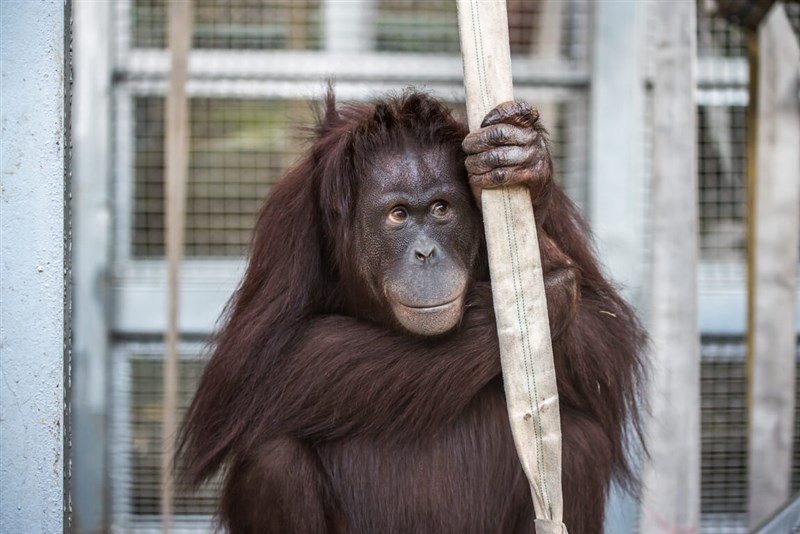
Orangutans are listed as critically endangered on the International Union for Conservation of Nature (IUCN) Red List and that females in the wild typically give birth only once every six to eight years, with nearly all pregnancies resulting in a single offspring, the zoo said.
Twin births are considered extremely rare even in captivity.
The mother orangutan had previously been pregnant but experienced complications during her last delivery, and therefore the latest pregnancy was treated as a high-risk case and monitored closely, the zoo said.
Given the added risks posed by carrying twins, a decision was made to carry out a cesarean delivery to improve the chances of a safe outcome for both the mother and infants, the zoo explained.
It said the premature twins remain under intensive care due to their small size and underdeveloped vital functions, while medical and conservation teams continue supporting the mother orangutan's recovery and her ability to care for the newborns.
- Sports
Taiwan boosts medal haul in multiple events at Asian Games on Friday
10/02/2026 08:55 PM - Society
Workers at Taiwan snack maker Kuai Kuai extend strike over relocation
10/02/2026 08:45 PM - Business
Chain businesses association seeks more foreign workers
10/02/2026 08:04 PM - Politics
Shen unveils Taipei education platform, Chiang defends free lunches
10/02/2026 06:45 PM - Politics
Taiwan receives first 2 F-16V Block 70s (update)
10/02/2026 06:39 PM