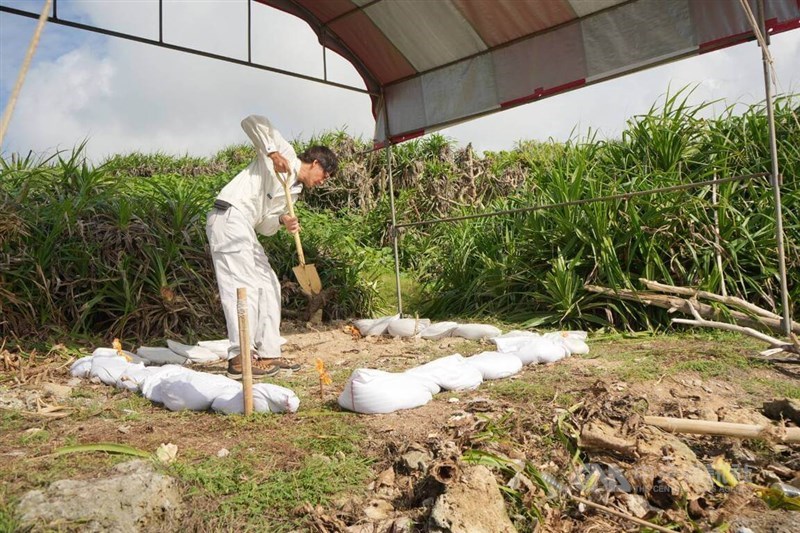
Taipei, July 20 (CNA) A Japanese group on Monday began excavating near Pingtung County's decommissioned No. 3 Nuclear Power Plant in search of the remains of Japanese soldiers who died during World War II.
The excavation, located outside the plant's water discharge outlet, is being led by the Japan Association for Recovery and Repatriation of War Casualties (JARRWC), with assistance from local residents and Japanese cultural historian Kazuko Tachi, who lives in Taiwan.
The operation was approved and supported by the Kenting National Park Headquarters, Taiwan Power Co. (Taipower) and the Pingtung County government,
Chiu Hung-lin (邱鴻霖), director of National Tsing Hua University's Institute of Anthropology and an associate professor, is serving as an adviser for the search for the remains of Japanese soldiers who died after their transport ship was sunk by U.S. forces during World War II and are believed to have washed ashore near the site.
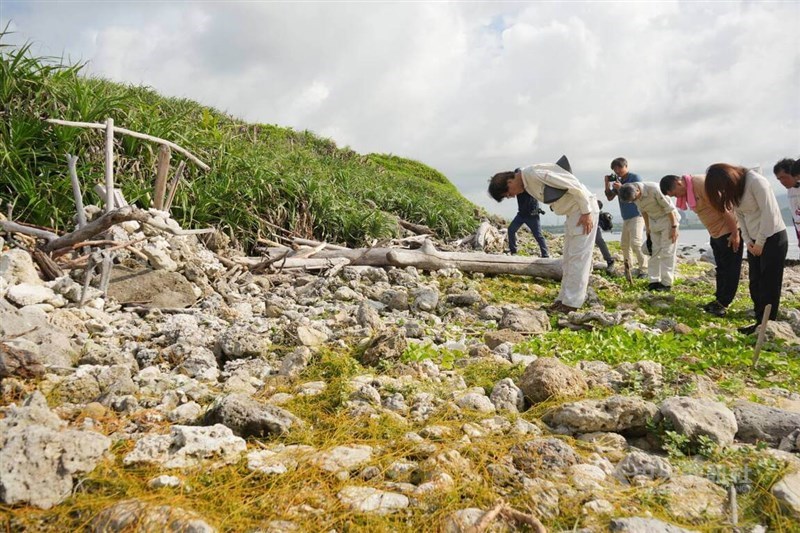
Tatsuaki Inoue, an official with the JARRWC, told reporters that the 12-day excavation will be followed by anthropological examinations of any remains found to determine whether they belong to Japanese soldiers.
Inoue said he felt deep sympathy for the families of the deceased and expressed hope that the remains could be repatriated.
He also thanked Taiwanese people for their empathy and support for the excavation, saying that, with many wars still taking place around the world, it is important to learn lessons from the tragedy of war.
Tachi said she began searching for the remains seven years ago, eventually contacting the JARRWC three years ago.
In 1944, transport ships, including the Tamatsu Maru, were sunk by U.S. forces in the Bashi Channel, with only 65 of more than 4,800 people aboard surviving, Tachi said.
She added that the bodies of many were later carried by the sea to the Hengchun Peninsula.
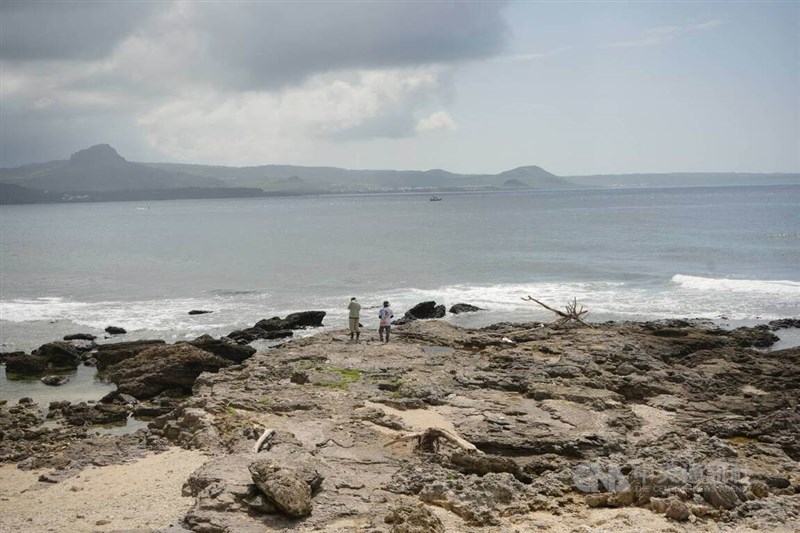
Based on oral accounts from local elders, the remains may be located among coastal rocks near the discharge outlet of Pingtung's nuclear power plant, she said.
A local volunteer who is assisting with the excavation said her grandfather witnessed the aftermath of the shipwreck as a child, when residents helped survivors and buried those who died.
She described the incident as part of a shared history between Taiwan and Japan, saying people should move beyond hatred of the past and remember the humane side of history.
- Sports
Xiao Xiang-wen wins Taiwan's 1st gold at Nagoya Asian Para Games
10/19/2026 06:04 PM - Science & Tech
NTHU to explore research reactor development with NuCube
10/19/2026 05:43 PM - Culture
German orchestra Staatskapelle Berlin to make Taiwan debut in November
10/19/2026 05:23 PM - Politics
Taiwan Railway to ban political advertising in stations from 2027
10/19/2026 05:18 PM - Science & Tech
Taiwan researchers find ways to increase microalgae bioethanol feedstock
10/19/2026 04:51 PM