Taiwan researchers find ways to increase microalgae bioethanol feedstock
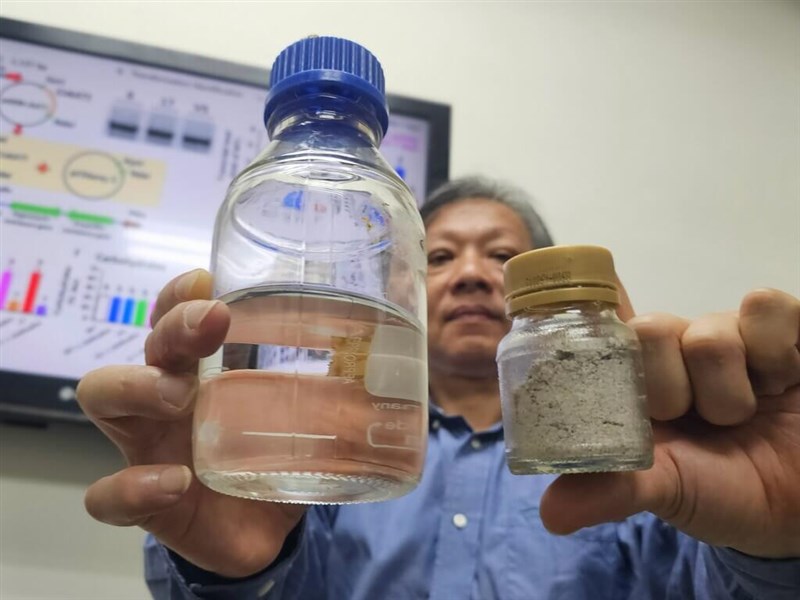
Kaohsiung, Oct. 19 (CNA) Researchers at National Sun Yat-sen University (NSYSU) in Kaohsiung have identified two cellular mechanisms that could help increase bioethanol feedstock -- or raw material -- production from microalgae, the university said in a news release Monday.
A research team led by Lee Tse-min (李澤民), a professor at NSYSU's Department of Marine Biotechnology and Resources, identified the mechanisms that could be manipulated to direct more of the carbon absorbed by microalgae toward starch and other carbohydrates rather than lipids, thereby increasing the raw material available for fermentation, according to the release.
Lee said microalgae grow rapidly and can utilize carbon dioxide, making them important research subjects in bioenergy development and carbon utilization.
The findings could allow researchers to better control how microalgae allocate absorbed carbon, depending on research and production goals, he said.
The eight-year study was conducted by Lee, Tunghai University Vice President and chair professor of its Department of Chemical and Materials Engineering Chang Jo-shu (張嘉修), and National Taiwan University Institute of Biotechnology Associate Professor Chen Jen-chih (陳仁治), the release said.
Bioethanol is a form of ethanol produced by fermenting sugars or starch derived from biomass, including plants and microalgae. It is an important feedstock for biomanufacturing and can also serve as an alternative fuel to gasoline, according to the release.
The findings were published in the international scientific journal "Bioresource Technology" in October 2026.
- Science & Tech
NTHU to explore research reactor development with NuCube
10/19/2026 05:43 PM - Culture
German orchestra Staatskapelle Berlin to make Taiwan debut in November
10/19/2026 05:23 PM - Politics
Taiwan Railway to ban political advertising in stations from 2027
10/19/2026 05:18 PM - Science & Tech
Taiwan researchers find ways to increase microalgae bioethanol feedstock
10/19/2026 04:51 PM - Business
Taiwan shares end lower but fall limited as tech stocks rally late
10/19/2026 04:21 PM