Experts split on possible U.S. rhetoric shift on Taiwan at Trump-Xi summit
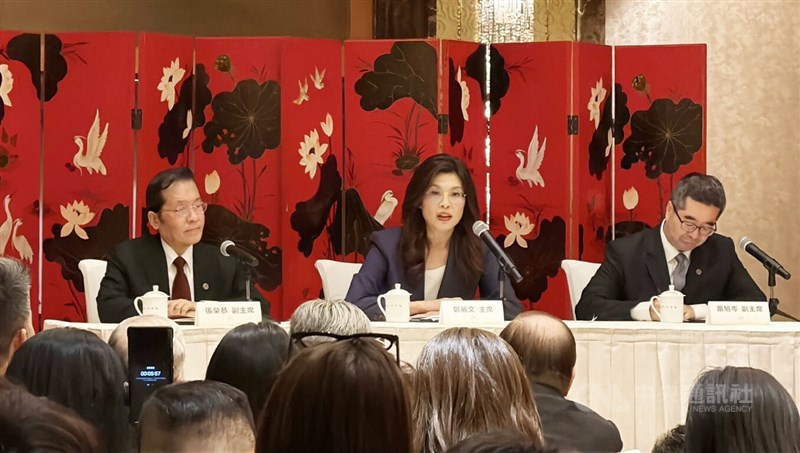
Taipei, April 22 (CNA) Taiwanese experts on Tuesday differed on whether the United States might change its rhetoric on "Taiwan independence" at an upcoming U.S.-China summit following Kuomintang (KMT) Chairperson Cheng Li-wun's (鄭麗文) recent meeting with Chinese President Xi Jinping (習近平).
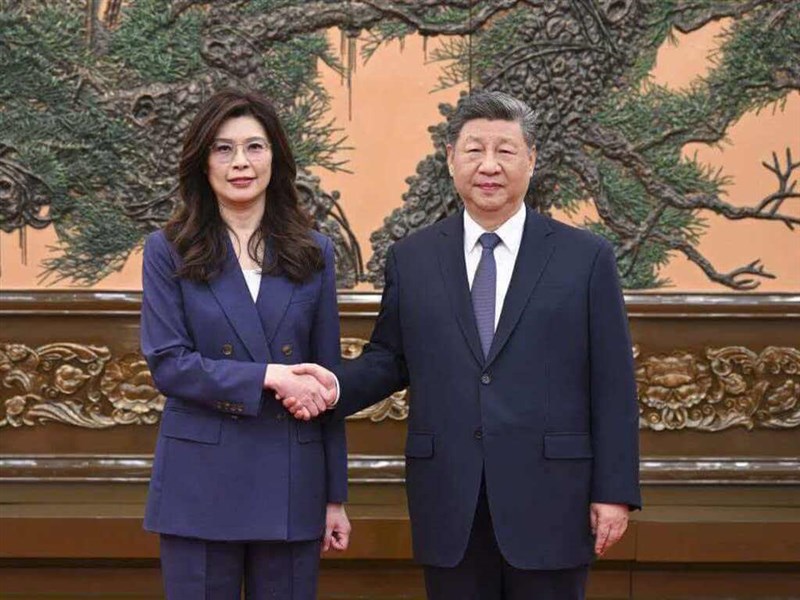
Cheng, who heads Taiwan's main opposition party, met Xi in Beijing on April 10 during a six-day trip first announced on March 30, after the White House said U.S. President Donald Trump's planned late-March visit to China had been postponed to May 14-15 amid the ongoing war in Iran.
During her visit, Cheng repeatedly stressed opposition to Taiwan independence, a stance in line with Beijing's position on the Taiwan issue.
Xi also used the meeting to say China would "absolutely not tolerate" Taiwan independence.
Former American Institute in Taiwan (AIT) Chairman Richard C. Bush speculated in early March that Xi could ask Trump during his visit to Beijing to publicly state that the U.S. "opposes Taiwan independence."
Such a statement would mark a subtle but important shift from current U.S. policy, which is that Washington "does not support" Taiwan independence.
Speaking at a seminar in Taipei on Tuesday, Tang Kai-tai (唐開太), a vice president at the Foundation on Asia-Pacific Peace Studies, said China, now with Cheng's backing, could raise the issue of U.S. rhetoric on Taiwan independence during the Trump-Xi meeting in May.
He said that even if the issue is not raised in May, Beijing could still raise it at a later meeting between the two leaders.
Those opportunities, he said, could include a possible return visit by Xi to the U.S. in July or August, as well as meetings later in the year on the sidelines of the G20 and APEC summits.
Tang, however, noted that the U.S. "one China" policy has been shaped since the 1970s by the Three Joint Communiqués and the Taiwan Relations Act, and said Trump would be "unlikely" to make such a sweeping rhetorical concession, even in exchange for a major offer from Beijing.
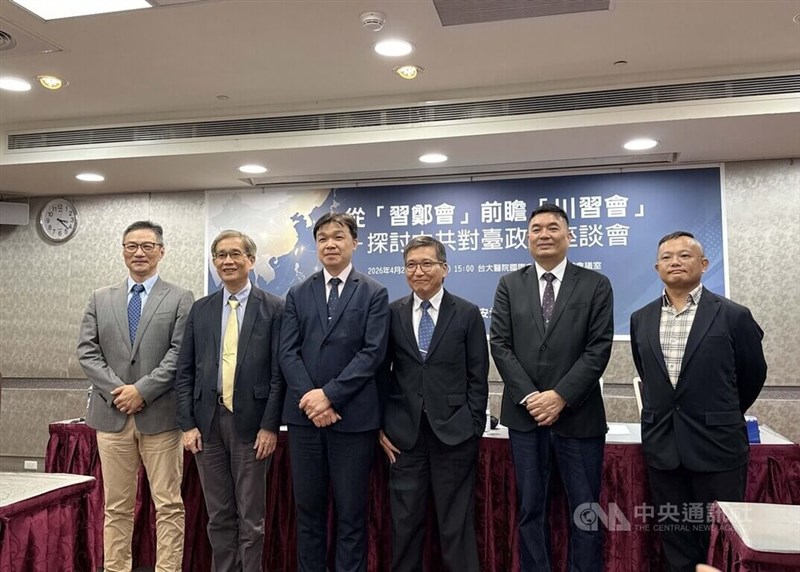
Taking a different view, Hung Yao-nan (洪耀南), deputy director of Tamkang University's Institute of China Studies, said it was unlikely the Trump-Xi meeting in May would focus much on Taiwan, as the meeting would be short and many people from the technology sector are expected to be involved.
He said the talks would more likely center on tariffs, technology and possibly international issues, which he described as the "more urgent priorities."
Hung said Taiwan may still come up during a possible return visit by Xi to Washington, when the agenda could become more focused on political issues, depending on "what kind of gifts Xi will bring by then."
- Business
U.S. dollar down in Taipei trading
09/21/2026 10:53 AM - Society
CWA tests earthquake alert on National Disaster Prevention Day
09/21/2026 10:37 AM - Society
Taiwan headline news
09/21/2026 10:09 AM - Business
Taiwan shares open higher
09/21/2026 09:19 AM - Sports
Taiwan bags silver medals in men's, women's team soft tennis
09/20/2026 07:57 PM