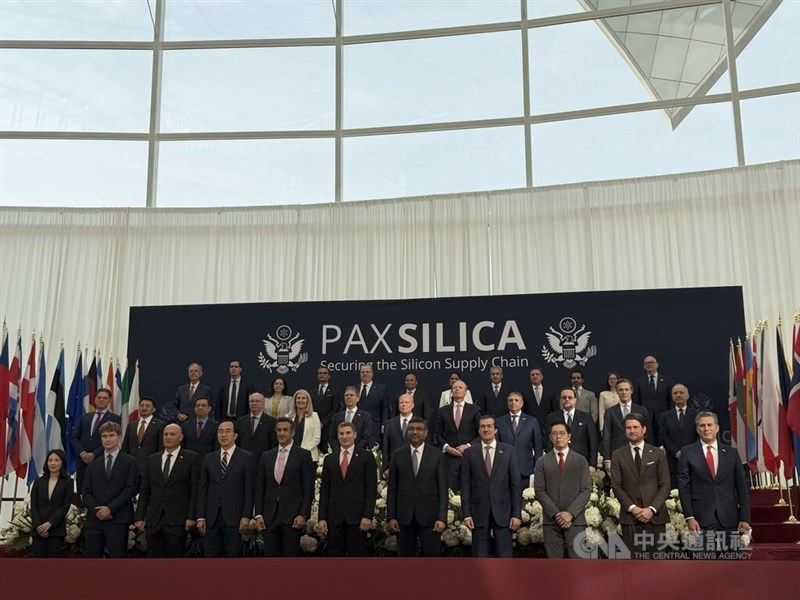
Washington, June 25 (CNA) Advanced semiconductors, artificial intelligence infrastructure and other critical technologies must remain in the hands of trusted partners to safeguard future economic growth and security, a top American diplomat said Thursday.
Opening the second Pax Silica Summit in Washington, D.C., U.S. Deputy Secretary of State Christopher Landau described the technologies that will define the 21st century as "too consequential to be left vulnerable to coercive policies and markets."
"Pax Silica exists to keep these technologies and the future growth of all of us in trusted hands," he said.
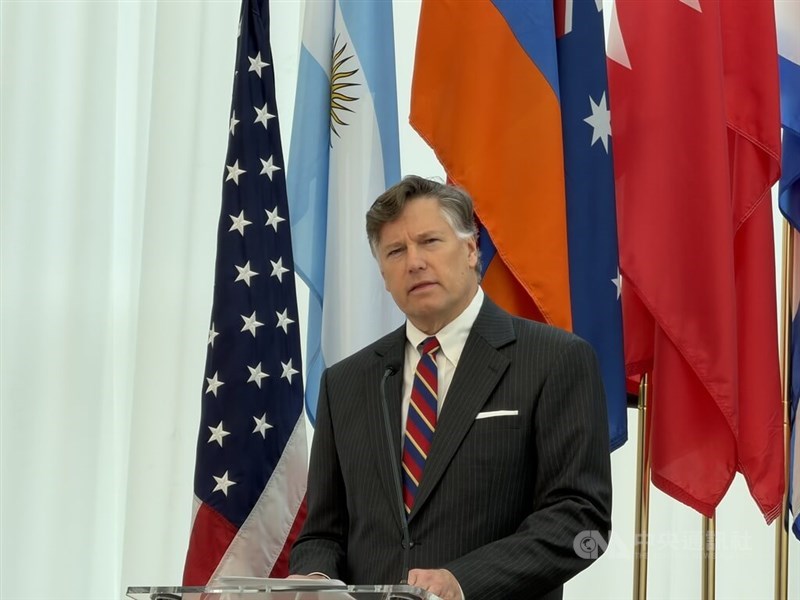
Landau argued that no single country controls every part of the AI supply chain and said trusted partners' combined capabilities are stronger than those of any centrally planned economy.
The U.S.-led Pax Silica initiative seeks to build secure, market-oriented AI supply chains among trusted partners while reducing bottlenecks across the AI technology stack.
It also commits members to reducing excessive dependencies, including on China, and forging new connections with reliable partners and suppliers committed to fair market practices to achieve true economic security.
The group received a boost this week with nine new signatories to the Pax Silica Declaration, including the European Union, the Netherlands and Germany, Landau said.
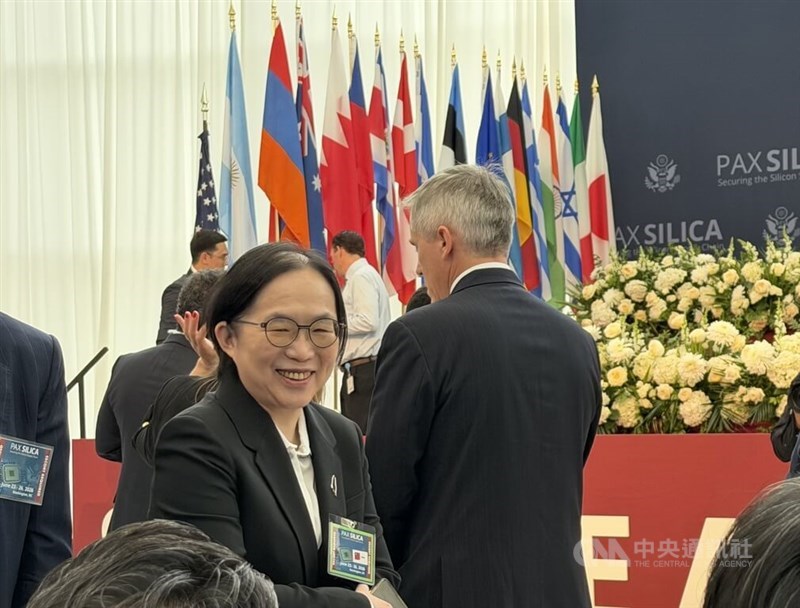
Taiwan is a non-signatory participant in Pax Silica and was represented at the summit by Deputy Minister of Digital Affairs Isabel Hou (侯宜秀).
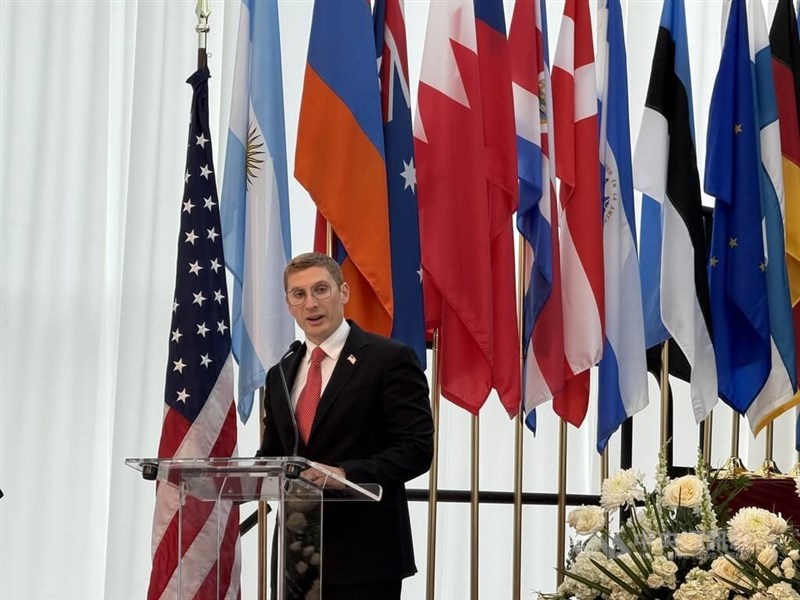
The event also featured several new initiatives unveiled by U.S. Under Secretary of State for Economic Growth, Energy and the Environment Jacob Helberg to strengthen trusted AI ecosystems.
One of them, PaxPass, will combine cargo verification, AI-powered risk assessment and expedited customs clearance for trusted shipments. The United States has committed US$50 million in foreign assistance to support the platform's development and deployment.
Helberg also introduced Foundry School, a workforce development initiative created with Stanford University to train entrepreneurs, engineers and advanced manufacturing leaders across Pax Silica economies.
Participating governments are also expected to sign the Declaration on AI Opportunity, committing to pro-growth AI policies, trusted technology ecosystems, resilient supply chains and investment in AI infrastructure.
Separately, a U.S. State Department spokesperson highlighted Taiwan's close cooperation with the United States on AI supply chains and other economic initiatives.
"Taiwan's advanced manufacturing sector plays a key role in fueling the AI revolution," the spokesperson told CNA.
- Business
NT$10 receipts win NT$10 million prizes
10/05/2026 09:02 PM - Politics
OCAC minister, family accused of misusing public resources overseas
10/05/2026 08:58 PM - Politics
New Eswatini envoy pledges support for Taiwan's int'l participation
10/05/2026 08:17 PM - Politics
Taichung mayoral rivals Ho, Chiang visit transport project sites
10/05/2026 07:41 PM - Society
6 Taipei police officers disciplined over misconduct in gay bar raid
10/05/2026 07:04 PM