Taipei, May 13 (CNA) Taipei is stepping up efforts against rodent infestations by expanding tracking methods and calling on the central government to establish a unified national monitoring system to better assess pest control effectiveness.
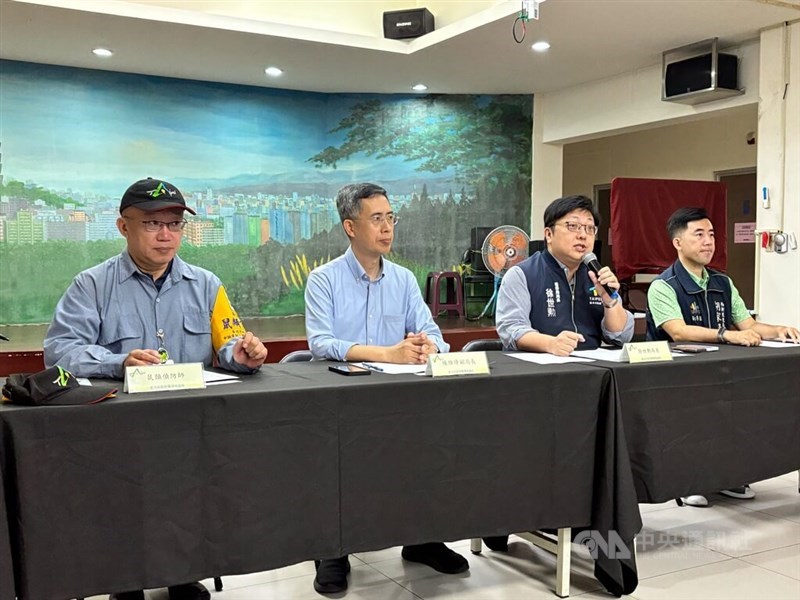
Speaking at the launch of the city's new community rodent detection service Wednesday, Department of Environmental Protection (DEP) Director Shyu Shyh-shiun (徐世勲) said Taiwan currently lacks a standardized method for estimating rodent populations.
Until such a system is established, the city will expand its use of the "trap-night" method, while also tracking active rat burrows and public reports as indicators of infestation trends, Shyu said.
The DEP said the "trap-night" method evaluates rodent control effectiveness by placing baited traps before and after extermination measures are carried out and comparing capture results.
The department also announced that residents can apply for free professional rodent inspection services starting Friday by downloading an application form from the DEP website and submitting it by mail, fax or email.
Shyu said the department currently has more than 80 disinfection specialists, each assisted by one or two cleaning workers, which should be sufficient to meet current demand.
Kao Chien-fu (高健富), head of a DEP disinfection squad and one of the city's newly designated rodent detection specialists, said a typical household inspection takes about two hours, including identifying rodent traces, determining species and recommending prevention measures.
Kao said three rodent species are commonly found in Taiwanese homes.
The roof rat, the most common household invader, has a tail longer than its body and prefers fruit and sweet potatoes, often nesting in ceilings or elevated hiding spots, he said.
"You won't catch them with meat in a trap," Kao said.
The Norway rat, also known as the brown rat, has a shorter tail and poor climbing ability, and is commonly found in sewers, garbage collection areas and traditional markets, where it prefers meat-based food sources, he added.
The house mouse, the smallest of the three, feeds mainly on grains and is often mistaken for a young roof rat, Kao said.
The inspection service will focus on identifying rodent access routes, such as pipes, wiring and structural gaps, while providing residents with customized recommendations on sanitation and environmental management to reduce food sources and nesting sites.
Taipei recently rolled out a series of sanitation and pest control measures, including district-wide cleaning campaigns and the deployment of rodent prevention specialists, amid heightened public concern over rodent-related disease risks.
- Politics
- Society
Scattered showers expected in Greater Taipei, eastern Taiwan Saturday
10/03/2026 10:41 AM - Society
Taiwan headline news
10/03/2026 10:22 AM - Sports
'Hao-yu like that?' A deep dive into Lee's rookie MLB season
10/03/2026 10:00 AM - Sports
Taiwan boosts medal haul in multiple events at Asian Games on Friday
10/02/2026 08:55 PM