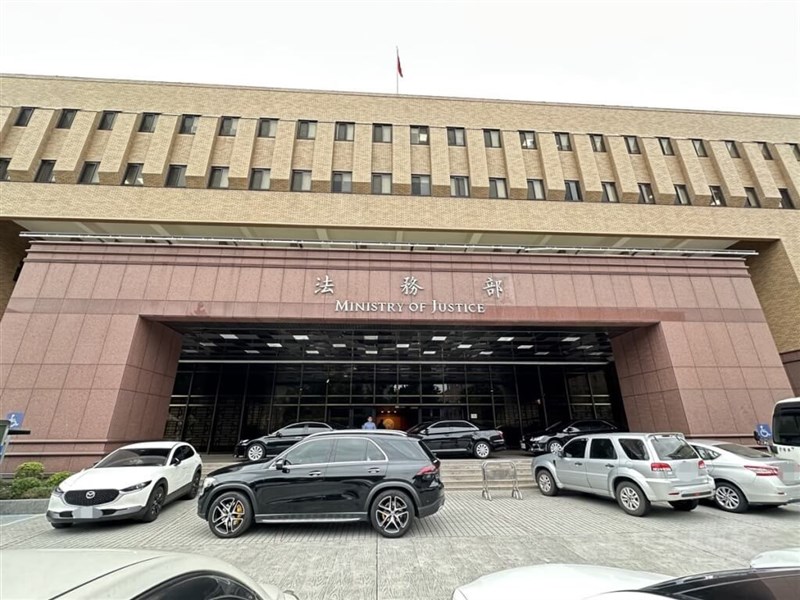
Taipei, July 5 (CNA) The rapid spread of etomidate abuse, particularly through e-cigarettes, has become a growing public safety concern due to its role in drug-impaired driving, according to the Ministry of Justice's (MOJ) Investigation Bureau.
Police recorded 8,659 cases of drug-impaired driving in 2025, a sharp increase from 2,619 cases in 2024, according to the National Police Agency (NPA). Between January and May 2026 alone, authorities had already recorded 6,730 such cases.
Of the cases recorded in 2026, about 20 percent involved drivers who tested positive for etomidate, second only to methamphetamine at 75 percent, followed by ketamine at 15 percent. The percentages exceed 100 because some drivers tested positive for multiple drugs.
Rapid spread driven by low cost and easy access
Lee Chia-ning (李家甯), an officer with the bureau's Drug Enforcement Division, told CNA that etomidate has spread quickly because it is inexpensive, fast-acting and easy to consume through vaping devices.

Unlike many traditional drugs, which are often used in fixed locations and primarily harm users and their families, etomidate can be consumed almost anywhere, including inside vehicles, increasing the risk to the general public, Lee said.
Lee further explained that etomidate is chemically synthesized rather than cultivated and processed like drugs such as marijuana or heroin, making it relatively inexpensive to produce.
While the drug takes effect in about 10 seconds when injected, it can also be easily mixed into e-cigarette liquids and inhaled, producing effects within 10 to 60 seconds, he said. Drivers who use the drug may suddenly experience muscle rigidity or involuntary twitching, posing a serious traffic safety risk.
According to government anti-drug information, etomidate users can lose the ability to think clearly or control their movements and may experience abnormal tremors or become unable to speak, bend forward at the waist and twist their bodies uncontrollably.
Citing bureau data, Lee said that etomidate first appeared in Taiwan in 2023 and spread rapidly along with the growing popularity of vaping.
The market expanded during a legislative gap before the drug was classified as a Category 3 narcotic in August 2024, he said, adding that it was subsequently upgraded to a Category 2 narcotic in November that year.
Statistics from the Ministry of Health and Welfare showed that 8,897 urine tests were positive for etomidate in 2025, roughly 11 times the 806 recorded in 2024. The number of samples subject to different tests that tested positive reached 31,507, up from 8,403 a year earlier.
Meanwhile, the MOJ said etomidate-related deaths rose to 92 in 2025, the highest among all new psychoactive substances, accounting for about 60 percent of such fatalities.
Vaping fuels proliferation
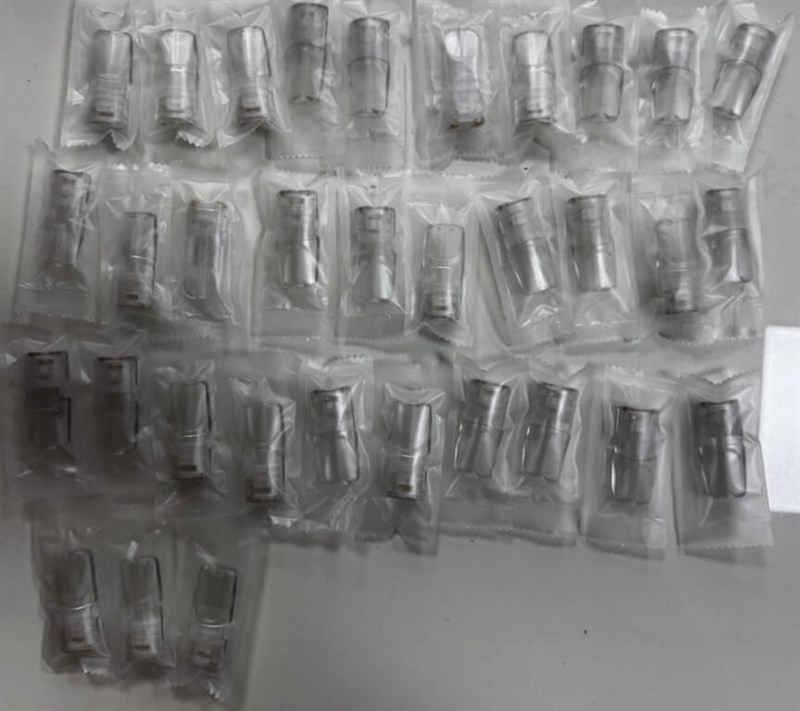
According to the NPA, police seized 40,610 drug-laced e-cigarette cartridges in 2025, up 117 percent from 18,687 in 2024.
As of April 2026, authorities had seized a cumulative 849.5 kilograms of etomidate since the drug came under regulation in 2024, equivalent to roughly 8.5 million etomidate-laced vape cartridges, the agency said.
Chen Chien-yu (陳建宇), acting captain of the Taipei City Police Department Criminal Investigation Division's Narcotics Center, told CNA that drug-laced vape cartridges are virtually indistinguishable from ordinary cartridges and lack the distinctive odor associated with drugs such as ketamine, making them much harder for police to detect.
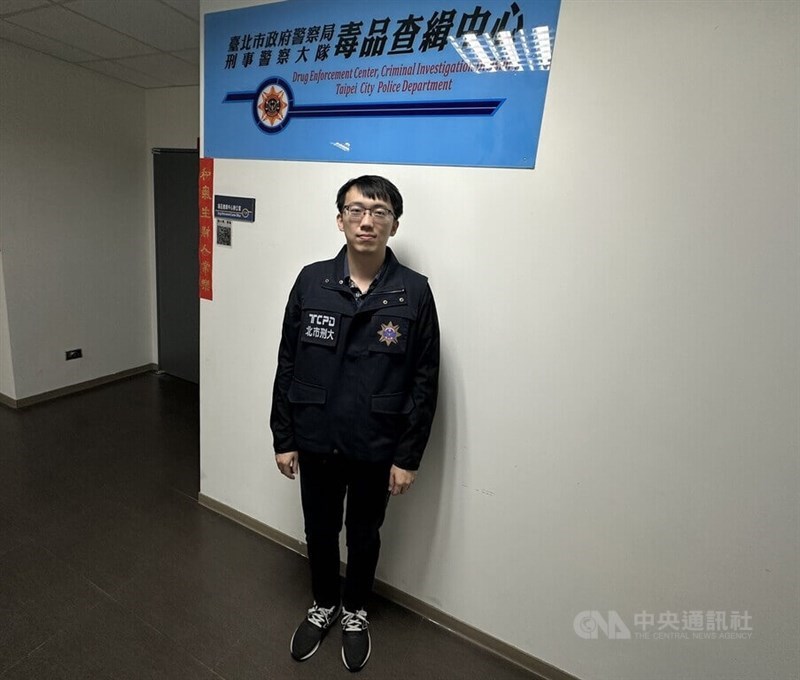
He added that new psychoactive substances such as etomidate are often manufactured using precursor chemicals that have yet to be regulated and are inexpensive, making them particularly attractive to teenagers.
Vape cartridges can be mixed with various narcotics and flavored in numerous ways, making them appear trendy and encouraging experimentation among students, Lee said.
Many young people may be persuaded by friends or drug dealers to unknowingly consume etomidate through vaping without intending to take drugs, he said, urging students not to experiment out of curiosity or peer pressure.
Tougher legal penalties
Etomidate was reclassified as a Category 1 narcotic on June 27, making the death penalty the maximum punishment for the manufacture, transportation and sale of the drug.
Its precursor chemicals, including Etomidate Acid and Ethyl N-formyl-N-(1-phenylethyl)glycine, have also been designated Category 4 narcotic precursors, making their manufacture, transportation and sale subject to criminal penalties, Deputy Justice Minister Huang Mou-hsin (黃謀信) told CNA.
On June 11, the Cabinet approved draft amendments to the Criminal Code that would impose heavier penalties for drug-impaired driving.
The MOJ has also proposed amendments introducing saliva-based drug testing to improve enforcement, Huang said.
Separately, the Cabinet has proposed stricter penalties for e-cigarette use that would also penalize possession of such products, which are banned in Taiwan.
- Politics
Taipei Mayor Chiang agrees to at least one televised debate with Shen
10/13/2026 08:45 PM - Society
Animal groups renew push for referendum on full ban of wild boar snares
10/13/2026 08:36 PM - Science & Tech
NTHU study finds plant compound may help treat brain injuries
10/13/2026 07:50 PM - Business
Economists see AI boom sustaining Taiwan growth, urge diversification
10/13/2026 07:25 PM - Society
Northern Taiwan to see heavier rain Thursday before weather stabilizes
10/13/2026 07:04 PM