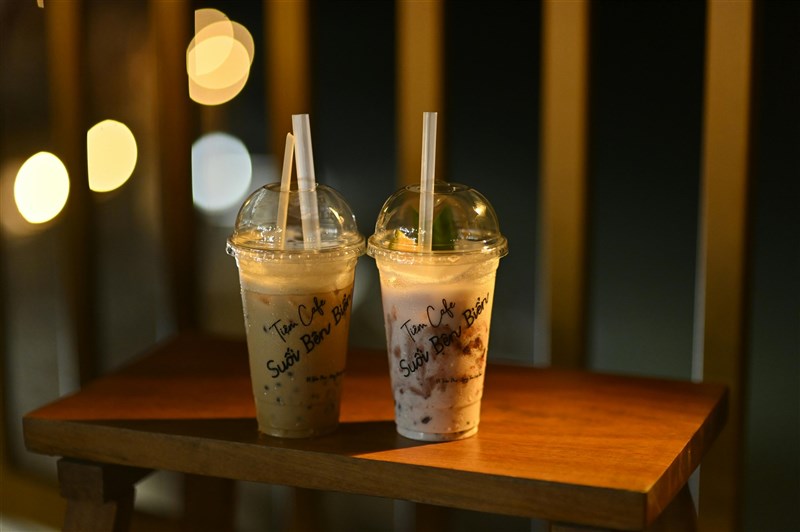
Taipei, April 23 (CNA) A National Taiwan University (NTU) study released Thursday found that 85.6 percent of drinks sampled from beverage shops contained more sugar than requested by customers.
Drinks from such shops are a defining feature of Taiwan's food culture, but regular consumption can expose people to significant amounts of sugar or artificial sweeteners, according to research by NTU's Institute of Food Safety and Health.
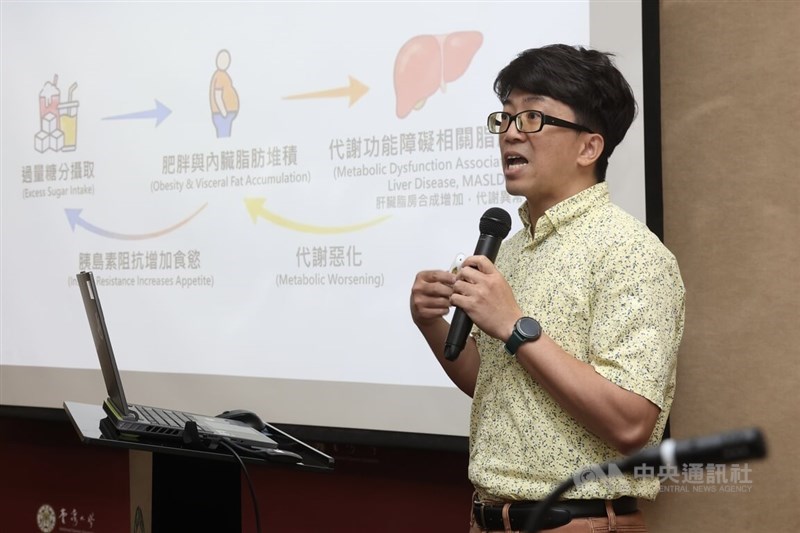
Luo Yu-syuan (羅宇軒), an associate professor at NTU's Institute of Food Safety and Health, presented the findings at a news conference, shedding light on the composition of such drinks and their potential public health risks.
Currently, 50 percent of adults aged 18 and above in Taiwan are overweight or obese, while 36.1 percent have metabolic fatty liver disease, Luo said.
To assess the health impact of Taiwan's beverage shop culture, the research team collected 125 samples of plain tea, milk tea and fruit tea -- including sugar-free and half-sugar drinks -- from major chain beverage outlets with at least 150 stores nationwide, indicating that they represent brands with a significant market share.
The first batch of 125 samples was collected from April to July, 2021 and March to July, 2023 in beverage shops in Taipei City and Changhua County. The two regions were chosen to examine whether there were differences between urban and rural areas.
The study found that 85.6 percent of the drinks tested contained more sugar than requested, while 55.6 percent of "no added sugar" drinks still contained detectable sugar. The team said this could be due to naturally occurring sugar in ingredients such as fruit juice, dairy products or toppings, which could mislead consumers.
It also found that a 700-milliliter drink sold as "half-sugar" contained an average of 46.5 grams of sugar, close to the World Health Organization's recommendation that free sugars should be limited to less than 10 percent of total daily energy intake, or about 50 grams.
For the second round of the survey in 2025, the team tested 64 samples -- including plain tea, milk tea, fruit tea and other beverages -- from the 10 most popular brands identified in a 2024 online survey, finding artificial sweeteners in 26 of them, mainly in fruit juice, fruit tea and drinks with toppings.
According to NTU, many past studies have indicated that artificial sweeteners can alter gut microbiota and potentially contribute to insulin resistance, inflammation and fatty liver disease.
An online survey conducted from July to September 2024, based on 1,073 valid responses, found that respondents consumed an average of 329 milliliters of beverages per day, with intake higher among men than women, particularly those aged 31 to 40.
By comparing sample data on sugar levels with beverage consumption data from the 2024 survey, the institute found that men aged 18 to 39 had higher sugar intake than women in the same age group.
Luo said he hopes the findings will serve as a reference for improving sugar labeling, increasing transparency of ingredients in freshly made beverages, enhancing consumer risk communication and informing healthy diet policymaking.
- Business
Taiwan shares close up 0.3%
10/16/2026 01:40 PM - Business
Taiwan economic growth in 2026 to be highest in 39 years: CIER
10/16/2026 01:06 PM - Culture
Lee Yun-chan wins Best Director at Busan Int'l Film Festival
10/16/2026 01:01 PM - Society
Warm weather to persist across Taiwan through Saturday: CWA
10/16/2026 11:08 AM - Sports
Jeremy Lin joins ESPN's NBA analyst lineup for new season
10/16/2026 10:53 AM