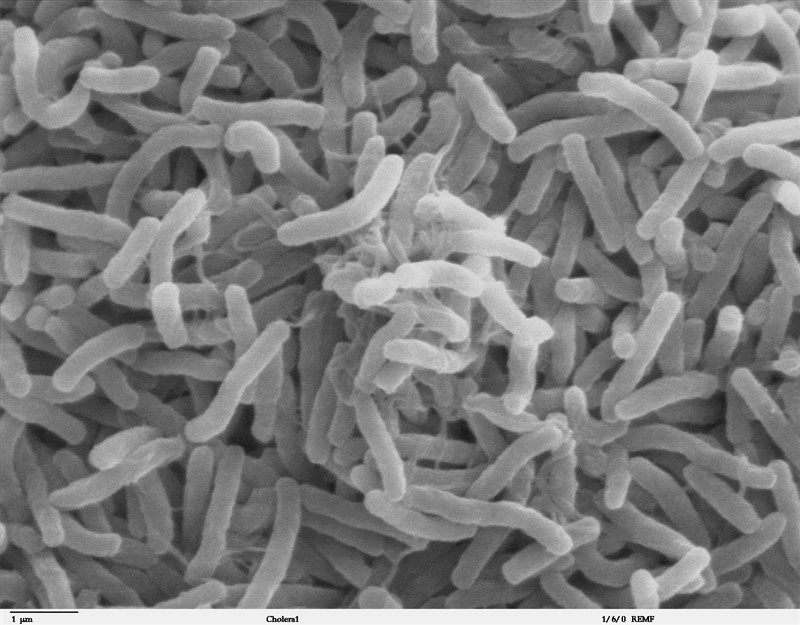
Taipei, June 23 (CNA) Taiwan has reported its first domestic case of cholera since 2023, involving a woman in her 70s with no recent overseas travel history, the country's Centers for Disease Control (CDC) said Tuesday.
The woman, living in southern Taiwan, developed diarrhea, vomiting, nausea and convulsions in early June and initially sought medical treatment at a clinic, the CDC said.
Her condition later worsened, including unconsciousness and lethargy, and she was taken to an emergency department, where stool samples were collected for analysis. On June 19, she was confirmed as having been infected by the toxigenic Vibrio cholerae O1 (Hikojima serotype).
Following treatment, her condition improved and she was subsequently discharged from hospital. The source of infection is still under investigation, the CDC said.
According to the disease center, six close contacts have been identified, all of whom have so far shown no symptoms. Their stool samples have also been collected for testing, and they have been advised to monitor their health and maintain proper food and hand hygiene.
Speaking at a weekly news briefing, CDC Epidemic Intelligence Center Deputy Director Lee Chia-lin (李佳琳) said Taiwan recorded one domestic cholera case in 2023 and two in 2022.
Cholera is a Category 2 notifiable infectious disease and an acute intestinal infection that can cause severe diarrhea and vomiting, with an incubation period of a few hours to five days. It is mainly transmitted through contaminated food or water.
Tseng warned that severe cases can have a mortality rate of over 50 percent without treatment, but timely rehydration, electrolyte replacement and appropriate medical care can reduce the fatality rate to below 1 percent.
Vibrio cholerae can survive for long periods in wastewater, and infection may occur through consumption of raw or undercooked seafood such as shellfish or crustaceans harvested from contaminated waters, she explained, adding that people who develop suspected symptoms of severe diarrhea and vomiting should seek immediate medical attention.
- Society
DPP township council candidate dies after collapsing on stage
09/23/2026 11:52 AM - Science & Tech
Taiwan part of WorldSkills Competition opening ceremony in China
09/23/2026 10:53 AM - Business
U.S. dollar down in Taipei trading
09/23/2026 10:17 AM - Society
Taiwan headline news
09/23/2026 10:05 AM - Business
Taiwan shares open higher
09/23/2026 09:15 AM