TANG PRIZE/U.S. research funding cuts hurt scientific progress: Tang Prize laureates
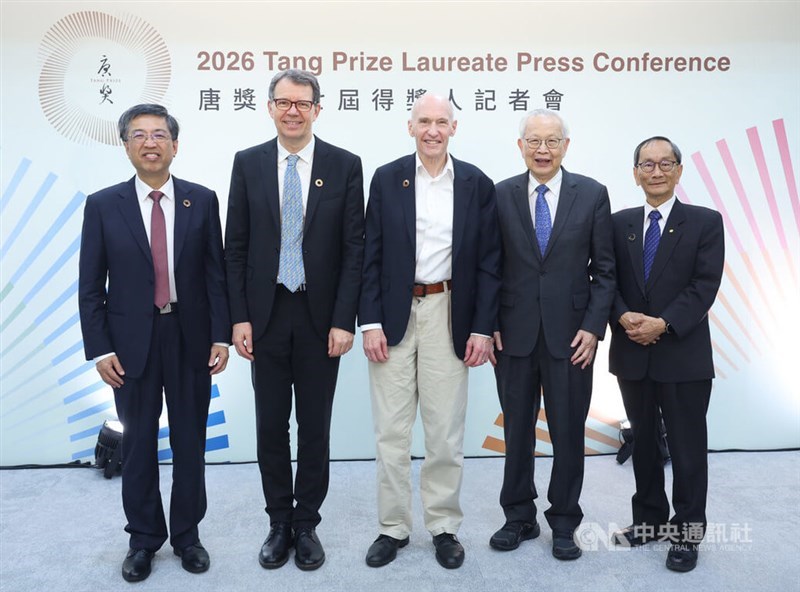
Taipei, Sept. 19 (CNA) The 2026 Tang Prize laureates in Biopharmaceutical Science warned Saturday that cuts to U.S. government research funding could slow scientific progress and reduce opportunities for young researchers, with potentially long-term consequences for the scientific workforce.
Their comments came after the Associated Press reported this week that the Trump administration has cut or frozen up to US$177 billion in federal grants since returning to the White House, citing an analysis of federal spending data. Health was among the areas most affected.
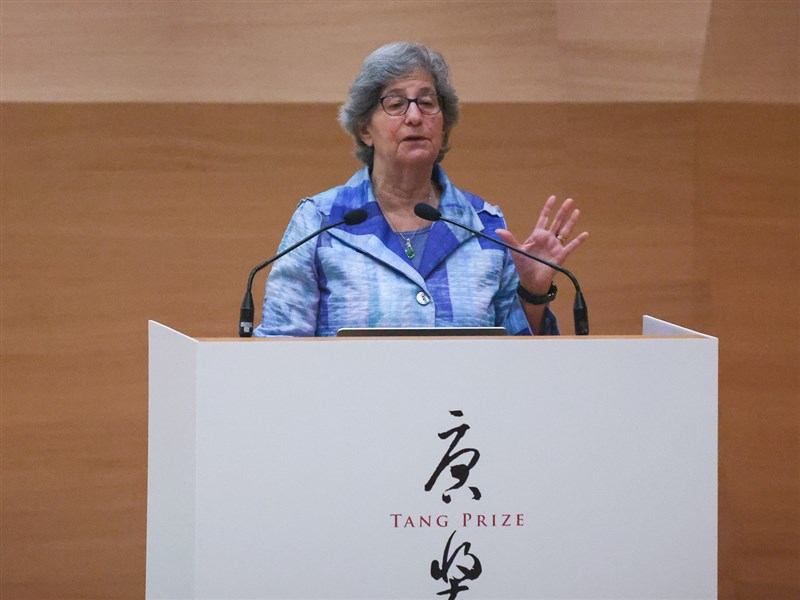
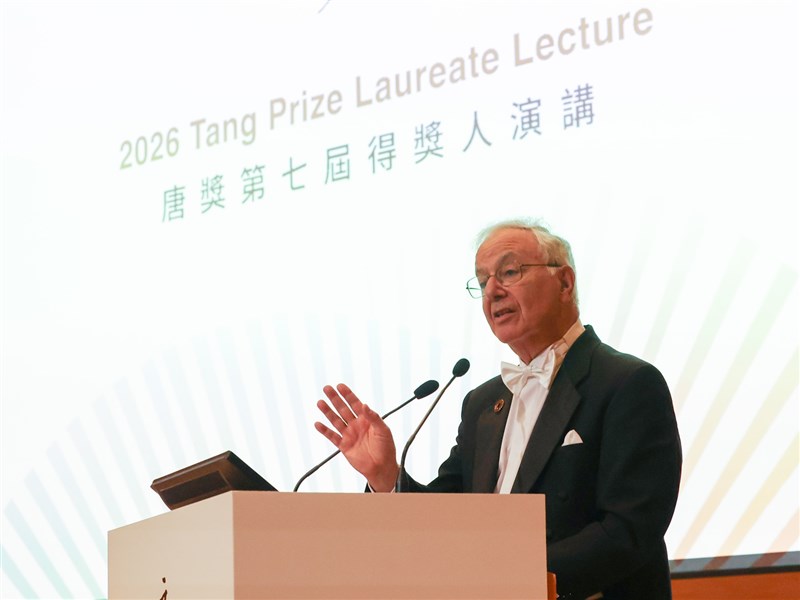
Speaking at a press conference in Taipei, Carl H. June and Michel Sadelain said recent changes in U.S. science policies were already affecting research institutions and could have long-term consequences.
June is an American immunologist and professor of medicine at the University of Pennsylvania, while Sadelain, who holds French and Canadian citizenship, is a professor of medicine at Columbia University.
The two, together with American scientist Steven A. Rosenberg, chief of the U.S. National Cancer Institute's Surgery Branch, were awarded this year's Tang Prize in Biopharmaceutical Science for "the discovery and development of tumor-infiltrating lymphocyte (TIL) and chimeric antigen receptor T-cell (CAR-T) therapies."
Both are forms of cellular immunotherapy that harness patients' immune cells to fight cancer, and the Tang Prize committee said they "have revolutionized treatment for blood cancers and solid tumors."
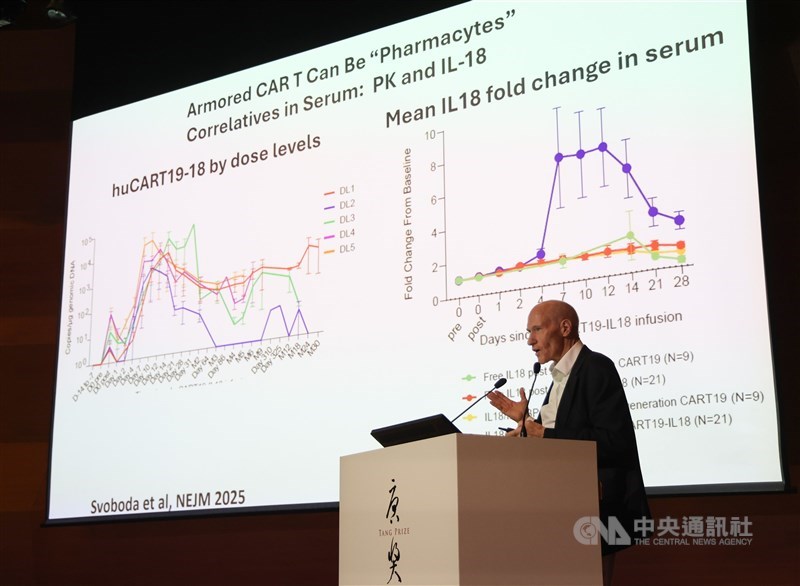
As part of this year's Tang Prize Week events, June and Sadelain delivered lectures at the Taipei Bioinnovation Park in Taipei's Nangang District on Saturday, while Rosenberg's lecture was presented in a pre-recorded video.
Asked during the post-lecture press conference about the impact of U.S. research funding cuts, particularly on younger researchers whose work may still be years away from producing results, June said the effects were already being felt.
"We have had to stop hiring or not hire as many ... new scientists or trainees," June said.
That would have "downstream effects" on the workforce in both academia and the pharmaceutical industry because academic institutions, supported by government-funded research, play a major role in training the next generation of scientists, he said.
"That's a very long-term problem that, unfortunately, is significant," June said.
He said the changes were also directly affecting research.
"Our actual research is being slowed down," June said, adding that the number of projects researchers can pursue has decreased.
June also pointed to difficulties obtaining U.S. visas as another obstacle to scientific progress, saying about half of the people in his laboratory are from Asia and that international exchanges are important for training researchers.
"Science has very much been international," he said, warning that greater barriers to scientific exchanges would "slow down progress."
'Great nation'
Sadelain, meanwhile, said June had outlined the consequences of the policy changes and that he wanted to address possible reasons behind them.
"It's difficult to understand why a great nation that was largely built on great science would want to undermine its own scientific capability," Sadelain said.
He cited several explanations he had heard, including efforts to reduce taxes, perceptions that universities are inefficient and arguments that newly established private institutes could be a better way to advance science.
Some also believe less research will be needed because artificial intelligence could eventually replace some of the work done by scientists while others see the policies as an effort to reduce the size and influence of universities, Sadelain said.
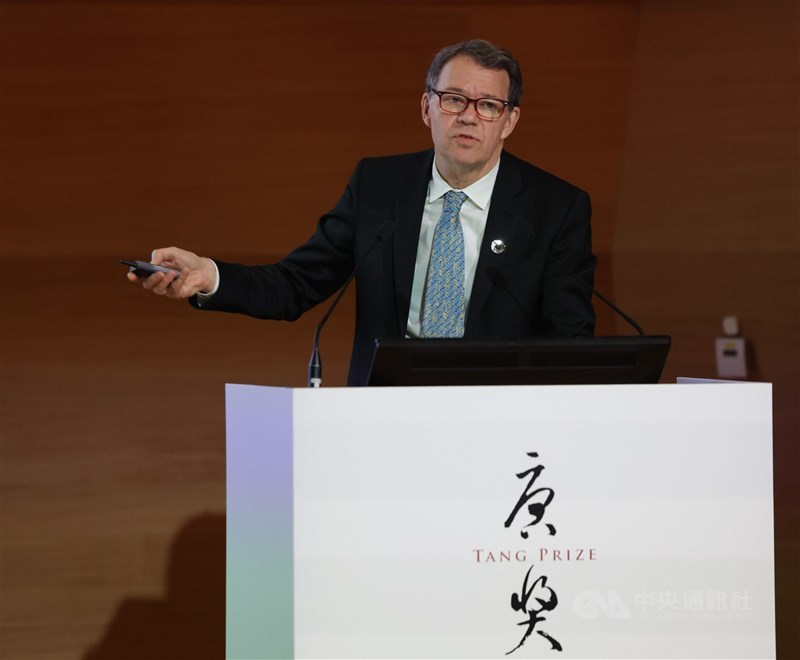
"I cannot say between all of these. I'm just summarizing what we hear," he said. "It really is so very sad."
Earlier Saturday, the three laureates delivered lectures tracing the development of so-called "living drugs" -- therapies they helped pioneer that use a patient's own immune cells to fight cancer and other diseases.
Rosenberg reviewed the development of TIL therapy for cancer, while Sadelain discussed the development and future of CAR-T cell therapies. June traced CAR-T therapy's decades-long journey from early HIV research to cancer treatment and, more recently, its potential application in autoimmune diseases.
The Tang Prize is a biennial award established in 2012 by the late Taiwanese entrepreneur Samuel Yin (尹衍樑) to honor people who have made prominent contributions in four categories -- sustainable development, biopharmaceutical science, sinology, and rule of law.
![Find pivotal moments that shape history: Tang Prize Sinology laureate]() Find pivotal moments that shape history: Tang Prize Sinology laureateGe Zhaoguang (葛兆光) used his platform as the 2026 Tang Prize laureate in Sinology on Saturday to encourage historians to broaden their perspective and focus on identifying pivotal moments that shape history's course.09/19/2026 07:02 PM
Find pivotal moments that shape history: Tang Prize Sinology laureateGe Zhaoguang (葛兆光) used his platform as the 2026 Tang Prize laureate in Sinology on Saturday to encourage historians to broaden their perspective and focus on identifying pivotal moments that shape history's course.09/19/2026 07:02 PM![Ozone recovery a rare success story: Tang Prize laureate Susan Solomon]() Ozone recovery a rare success story: Tang Prize laureate Susan SolomonThe recovery of the Antarctic ozone layer represents a rare example of science and international policy successfully addressing a global environmental threat, said Susan Solomon, whose research on chlorofluorocarbons (CFCs) earned her the 2026 Tang Prize in Sustainable Development.09/19/2026 05:25 PM
Ozone recovery a rare success story: Tang Prize laureate Susan SolomonThe recovery of the Antarctic ozone layer represents a rare example of science and international policy successfully addressing a global environmental threat, said Susan Solomon, whose research on chlorofluorocarbons (CFCs) earned her the 2026 Tang Prize in Sustainable Development.09/19/2026 05:25 PM!['Sound-bite democracy' threatens elections: Tang Prize laureate Bruce Ackerman]() 'Sound-bite democracy' threatens elections: Tang Prize laureate Bruce AckermanThe internet is enabling demagogues to win democratic elections through rapid, emotionally charged messaging, posing a growing threat to constitutional government, 2026 Tang Prize laureate Bruce Ackerman said Saturday.09/19/2026 05:02 PM
'Sound-bite democracy' threatens elections: Tang Prize laureate Bruce AckermanThe internet is enabling demagogues to win democratic elections through rapid, emotionally charged messaging, posing a growing threat to constitutional government, 2026 Tang Prize laureate Bruce Ackerman said Saturday.09/19/2026 05:02 PM
- Politics
Taiwan needs a 'chain of guardian mountains' across industries: Lai
10/10/2026 01:19 PM - Business
New ECCT chair urges greater agility in Taiwan's software, energy sectors
10/10/2026 12:36 PM - Culture
BigBang throws concert in Taipei; Jay Chou shares photos with group
10/10/2026 11:50 AM - Politics
Full text of President Lai Ching-te's National Day address
10/10/2026 11:10 AM - Society
Taiwan headline news
10/10/2026 10:08 AM