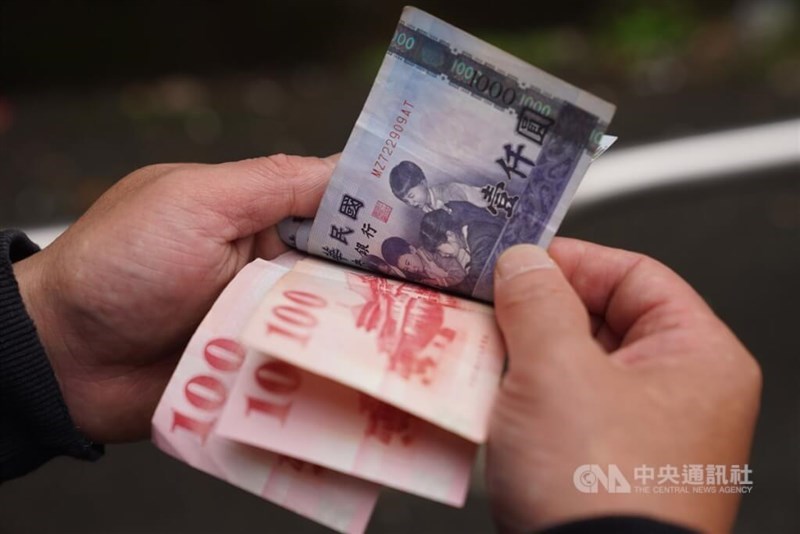
Taipei, Sept. 29 (CNA) Taiwan's main opposition Kuomintang (KMT) on Tuesday proposed using surplus tax revenues to fund a universal NT$20,000 (US$627.31) cash handout, double the amount proposed last month by President Lai Ching-te (賴清德).
The proposal by the KMT's legislative caucus was included in a draft "Special Act on Sharing the Fruits of Economic Growth with the Entire Population and Stabilizing People's Livelihoods," which the party designated as a priority in the new legislative session that started Tuesday.
The proposed NT$20,000 cash handout would double the NT$10,000 handout that Lai announced would be included in the government's 2027 budget proposal.
Speaking to reporters before the session began, KMT caucus leader Fu Kun-chi (傅崐萁) said surplus tax revenues -- meaning taxes collected by the government in excess of the amount it projected -- were surging this year amid strong growth in Taiwan's tech sector.
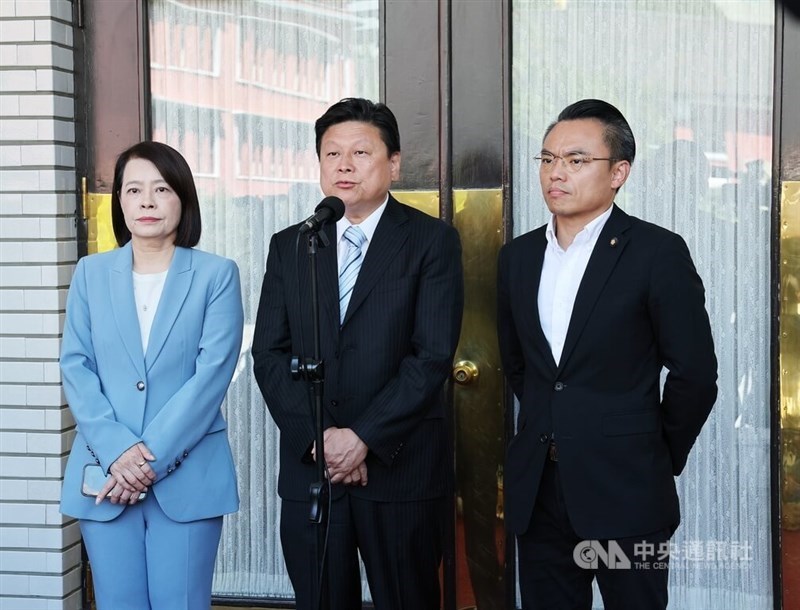
Surplus tax revenues reached NT$528.3 billion last year, of which around 40 percent, or NT$230 billion, was returned to the people (in the form of NT$10,000 cash handouts), Fu said.
This year, surplus tax revenues are expected to exceed NT$1 trillion, meaning that if 40 percent, or NT$400-plus billion, is returned, a cash handout of NT$20,000 could be provided, Fu said.
Fu emphasized that even with the Cabinet's NT$600 billion supplementary budget request, NT$400-plus billion could be used toward cash handouts without any government borrowing.
Moreover, such handouts would increase domestic demand and boost Taiwanese businesses, he said.
DPP and TPP responses
In response, Democratic Progressive Party (DPP) legislative caucus chief executive Chuang Jui-hsiung (莊瑞雄) noted that the government had already sent its 2027 budget proposal containing funds for a NT$10,000 handout to the Legislature.
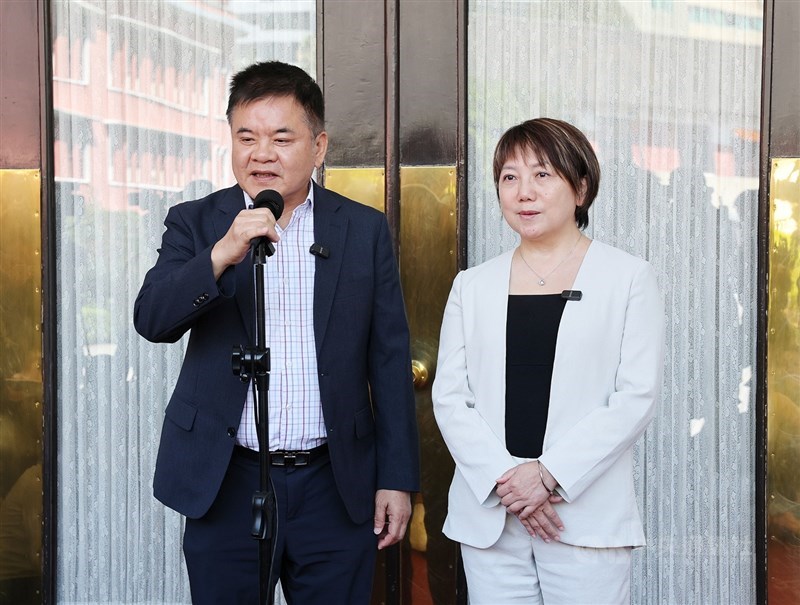
Under Taiwan's constitution, the Legislature cannot propose bills that increase budgetary expenditures, Chuang said.
Chuang also accused the KMT of not taking the oversight role of the opposition seriously, saying it was instead acting with an eye to Taiwan's upcoming local elections.
"A stable political party truly capable of leading the nation should not constantly call for increasing handouts on a whim," he said.
"The KMT is now calling for a NT$20,000 handout, but what if the Taiwan People's Party (TPP) calls for NT$30,000, or an individual lawmaker calls for NT$50,000," Chuang said, warning that this would become "an endless cycle."
Lai's support for a NT$10,000 handout in 2027 comes after his Democratic Progressive Party (DPP) government at first criticized a bill passed by the KMT and the TPP in July 2025 for a NT$10,000 cash handout, only to go along with it in the following months.
Lai's announcement in August 2026 seemed in part to be an attempt to get out in front of the issue, especially with Taiwan set to hold nationwide elections for local government posts in late November.
It was unclear whether the smaller opposition TPP, which the KMT has allied with to form a legislative majority on most issues, would be on board with the KMT's plan this time.
The TPP legislative caucus said the government should have a "comprehensive plan" for handling surplus tax revenues, similar to how companies plan their profit distributions.
The caucus believes that a "large proportion" of the surplus revenues should go to paying off debt, while the remainder could be put toward social welfare benefits for the elderly, stipends for elderly farmers, and school lunches, Legislator Hung Yu-shiang (洪毓祥) said.
- Politics
- Business
Taiex ends down on higher U.S. Treasury yields, crude oil prices
09/29/2026 05:34 PM - Politics
KMT proposes NT$20,000 universal cash handout
09/29/2026 05:27 PM - Society
2 indicted after paint, feces thrown at stand-up show mocking Xi Jinping
09/29/2026 05:07 PM - Politics
Xi's WWII account obscures ROC role, evokes Japan tensions: Scholars
09/29/2026 04:30 PM