Taiwan drug regulator reassessing safety of contraceptives linked to tumors
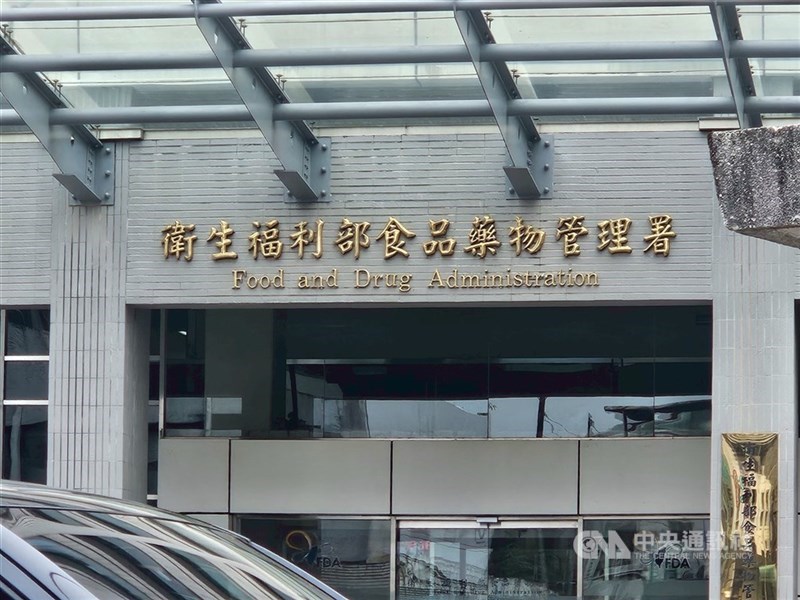
Taipei, Sept. 21 (CNA) Taiwan's Food and Drug Administration (TFDA) on Sunday said it is currently reexamining the safety of contraceptive medications that contain desogestrel and etonogestrel, after the European Medicines Agency (EMA) warned of a small increased risk of meningioma associated with their prolonged use.
On Sept. 2, the TFDA issued a drug safety alert, cautioning medical professionals and the public about the risks associated with desogestrel and etonogestrel, said TFDA official Liu Chia-ping (劉佳萍), referring to two synthetic hormones used primarily in female contraceptive medications.
In addition, the TFDA is currently conducting a safety reassessment of medications containing the two hormones, Liu said Sunday at a forum held by the Taiwan Association of Obstetrics and Gynecology.
Meningiomas are tumors that develop in the tissue surrounding the brain and spinal cord. They are usually benign and noncancerous, but can cause serious problems depending on their size and location, according to the safety alert issued by the TFDA.
The issue came to the forefront after the EMA's Pharmacovigilance Risk Assessment Committee (PRAC) in July recommended updated safety information for contraceptives that contain desogestrel and etonogestrel.
Prolonged use of the medicines for one year or more is associated with a small increased risk of meningioma, according to the PRAC.
The PRAC recommendation was subsequently included in a direct communication on Aug. 6 to healthcare professionals in the European Union.
The recommendation followed a large French epidemiological study, which found a small increased risk of intracranial meningioma among women who had used desogestrel for one year or more.
The risk increased with longer periods of use and may be higher among women who had previously used other progestogens associated with meningioma, including cyproterone, nomegestrol, medroxyprogesterone, and chlormadinone, according to the EMA.
Despite the increased risk, the overall likelihood of developing meningioma remains very low, with one additional case estimated for every 67,300 women who use the medicines, the EMA said.
The PRAC recommended that women who have meningioma or have had it in the past should not use the medicines. Women who are currently taking them should be monitored for signs and symptoms of meningioma, the PRAC advised.
At Sunday's forum in Taipei, Liu said the symptoms of meningioma include changes in vision, hearing loss or ringing in the ears, loss of smell, worsening headaches, memory loss, seizures, and weakness in the arms and legs. Patients experiencing such symptoms should seek medical attention, she said.
In Taiwan, there are six approved contraceptive medications that contain desogestrel, and two that contain etonogestrel, according to the TFDA.
Over the past 10 years, there have been no reports in Taiwan of meningioma associated with the use of desogestrel or etonogestrel, the TFDA said, citing data valid as of July 14.
- Politics
Taipei Mayor Chiang agrees to at least one televised debate with Shen
10/13/2026 08:45 PM - Society
Animal groups renew push for referendum on full ban of wild boar snares
10/13/2026 08:36 PM - Science & Tech
NTHU study finds plant compound may help treat brain injuries
10/13/2026 07:50 PM - Business
Economists see AI boom sustaining Taiwan growth, urge diversification
10/13/2026 07:25 PM - Society
Northern Taiwan to see heavier rain Thursday before weather stabilizes
10/13/2026 07:04 PM