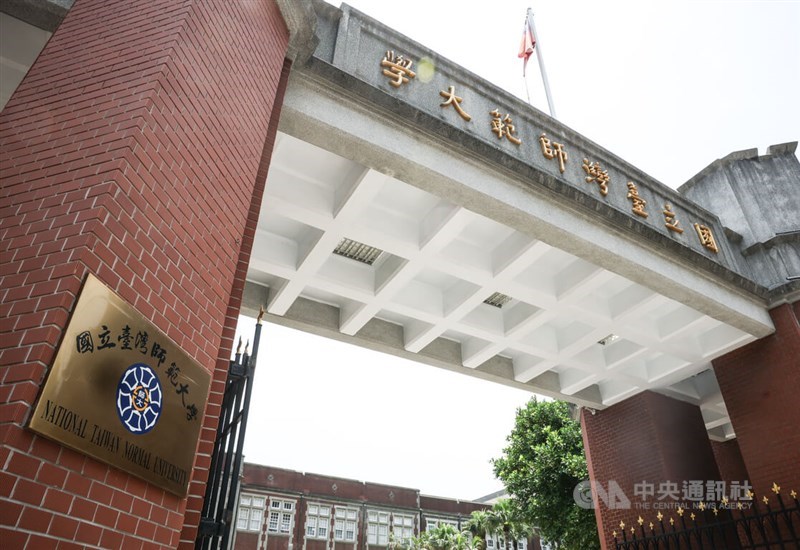
Taipei, June 20 (CNA) Air pollution appears to be a stronger predictor of cardiovascular emergencies than weather conditions alone, according to a new Taiwanese study that analyzed 23 years of nationwide environmental and health data.
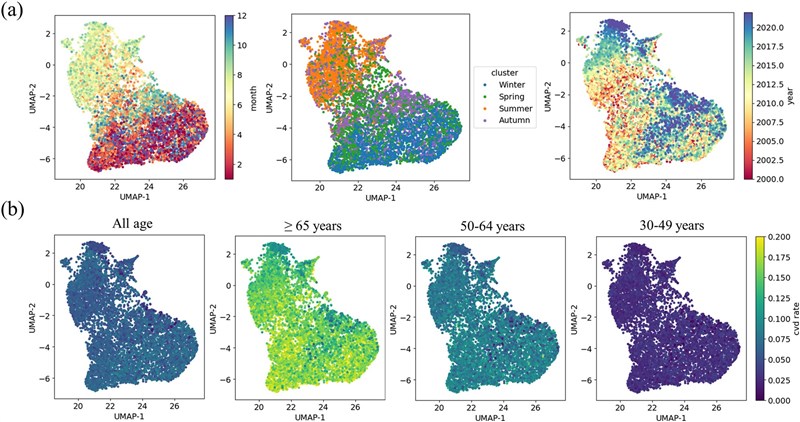
A research team led by National Taiwan Normal University (NTNU) found that days with elevated cardiovascular emergency visits were typically marked not by extreme cold, but by relatively cool temperatures combined with high levels of air pollution.
The pattern was especially pronounced among adults aged 65 and older and in northern Taiwan, suggesting that certain environmental conditions may substantially increase cardiovascular risks for vulnerable populations, the researchers found.
The study, published in the journal GeoHealth on June 12, examined nationwide weather, air quality, and emergency room data collected between 2000 and 2022.
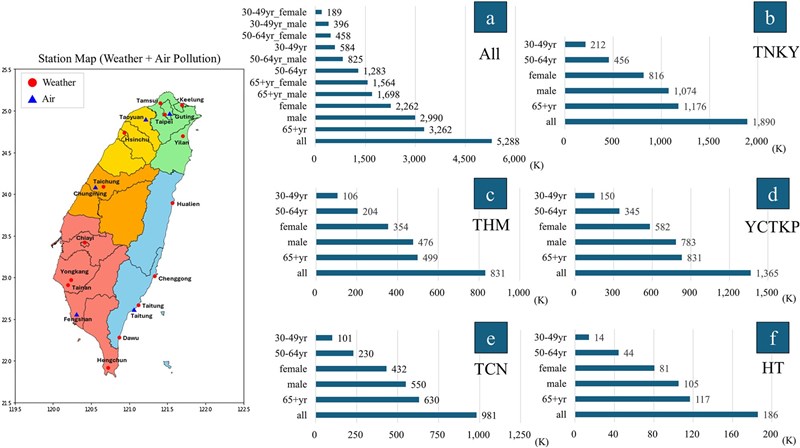
Using machine-learning techniques, the researchers identified distinct environmental patterns associated with surges in cardiovascular emergencies and evaluated which factors were most useful in predicting daily emergency visits.
The analysis found that air-pollution indicators were more effective than meteorological variables alone in distinguishing high-risk days.
Among the environmental factors examined, nitrogen oxide pollutants -- including nitrogen oxides (NOx), nitric oxide (NO) and nitrogen dioxide (NO2) -- emerged as the strongest predictors of cardiovascular emergency visits, the study found.
Lead author Chen Hsiang-han (陳翔瀚), an assistant professor in NTNU's Department of Computer Science and Information Engineering, said environmental conditions are an important and measurable source of health risk that have often received less attention than clinical factors in disease prediction.
The researchers found that elderly people were the most sensitive to environmental changes, followed by those aged 50-64. Women showed slightly higher sensitivity than men to environmental changes, the study found.
The study compared eight machine-learning approaches and found that tree-based ensemble models provided the most accurate forecasts of daily cardiovascular emergency visits.
According to the researchers, the findings demonstrate the potential of combining environmental monitoring with predictive models to identify periods of elevated health risk.
They said future systems integrating air quality monitoring, weather forecasts, and health-risk models could help establish regional early-warning systems and allow vulnerable groups to take preventive measures before high-risk conditions occur.
- Politics
New THSRC trains may pave way for family cars, senior citizen cards
10/06/2026 09:00 PM - Politics
Shen, Chiang open to debate over drug policy in Taipei mayoral race
10/06/2026 08:41 PM - Society
10 indicted for reselling restricted chips to Hong Kong for China
10/06/2026 08:26 PM - Society
Kuai Kuai workers end 5-day strike with relocation compensation deal
10/06/2026 07:46 PM - Politics
Foreign minister opens Phoenix office, 14th U.S. diplomatic post
10/06/2026 06:55 PM