PHOTO ESSAY/Democracy in flashback: Taiwan marks 30 years since first direct presidential election
03/23/2026 11:56 AM
Thirty years ago today, Taiwan held its first direct presidential election, a defining moment in its transition to democracy. To mark the anniversary, CNA has selected a series of images capturing the atmosphere of the time.
(Full text of the story is now in CNA English news archive. To view the full story, you will need to be a subscribed member of the CNA archive. To subscribe, please read here.)
More in PHOTO ESSAY
![Remembering the 'Queen of Polka Dots' through her Taiwan works]() Remembering the 'Queen of Polka Dots' through her Taiwan worksJapanese avant-garde artist Yayoi Kusama, renowned worldwide for her polka dots, infinity nets and pumpkin sculptures, died Aug. 14 of multiple organ failure at a Tokyo hospital. She was 97.08/28/2026 06:19 PM
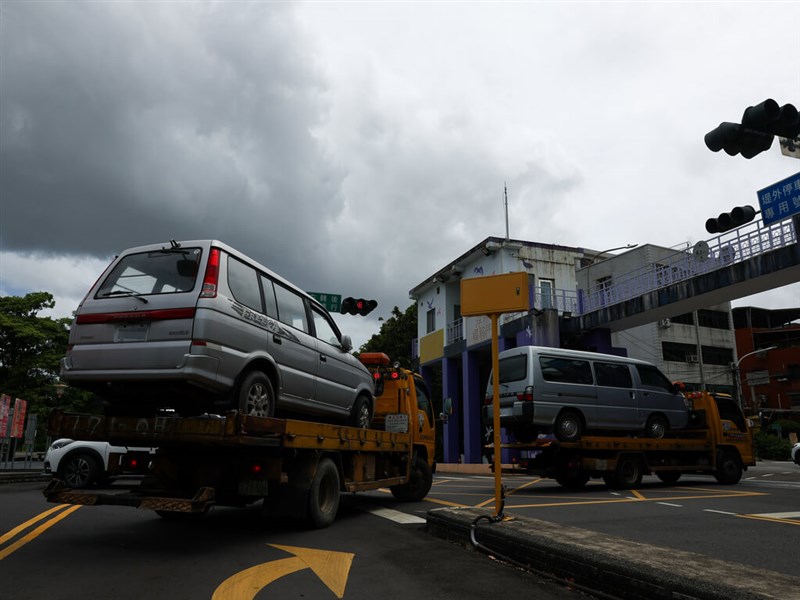
Remembering the 'Queen of Polka Dots' through her Taiwan worksJapanese avant-garde artist Yayoi Kusama, renowned worldwide for her polka dots, infinity nets and pumpkin sculptures, died Aug. 14 of multiple organ failure at a Tokyo hospital. She was 97.08/28/2026 06:19 PM![Taiwan prepares for Typhoon Bavi]() Taiwan prepares for Typhoon BaviMembers of the public and local governments across Taiwan prepared for the potential impact of Typhoon Bavi after the Central Weather Administration (CWA) issued a land warning early Friday morning.07/10/2026 01:59 PM
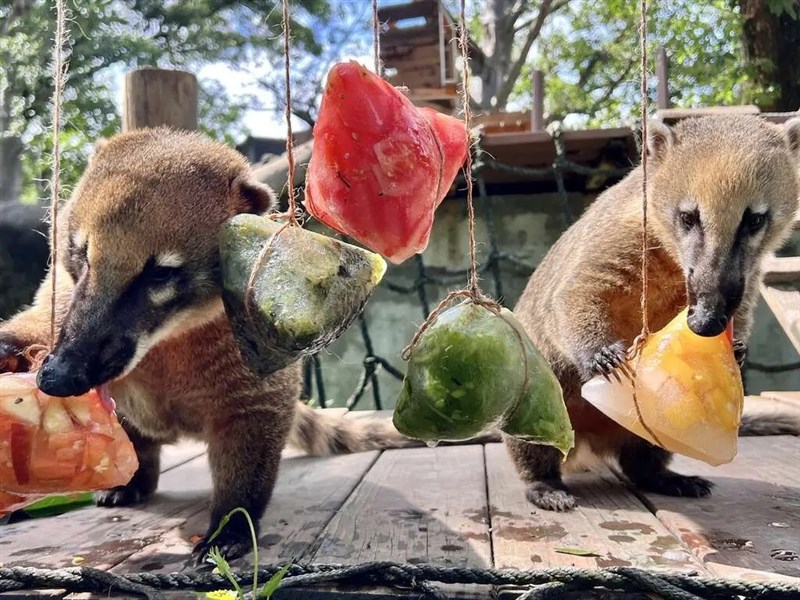
Taiwan prepares for Typhoon BaviMembers of the public and local governments across Taiwan prepared for the potential impact of Typhoon Bavi after the Central Weather Administration (CWA) issued a land warning early Friday morning.07/10/2026 01:59 PM![Kaohsiung zoo serves up animal-friendly 'zongzi' for Dragon Boat Festival]() Kaohsiung zoo serves up animal-friendly 'zongzi' for Dragon Boat FestivalA public zoo in Kaohsiung on Friday laid out a wide array of "zongzi" featuring vegetables, hay and other ingredients for its animals to mark the Dragon Boat Festival.06/20/2026 08:18 PM
Kaohsiung zoo serves up animal-friendly 'zongzi' for Dragon Boat FestivalA public zoo in Kaohsiung on Friday laid out a wide array of "zongzi" featuring vegetables, hay and other ingredients for its animals to mark the Dragon Boat Festival.06/20/2026 08:18 PM

Latest
- Sports
Taiwan falls to Japan 7-3, to play China for Asian Games baseball bronze
09/26/2026 09:41 PM - Politics
Marshall Islands, Tuvalu voice support for Taiwan at U.N. assembly
09/26/2026 07:59 PM - Sports
Taiwan's Kuo wins Asian Games esports bronze in Puyo Puyo Champions
09/26/2026 07:33 PM - Business
CPC to keep domestic gasoline, diesel prices unchanged next week
09/26/2026 06:01 PM - Politics
White House fact sheet omits Taiwan in Xi-Trump talks
09/26/2026 05:53 PM