Opposition fast-tracks referendum proposals on nuclear policy, euthanasia
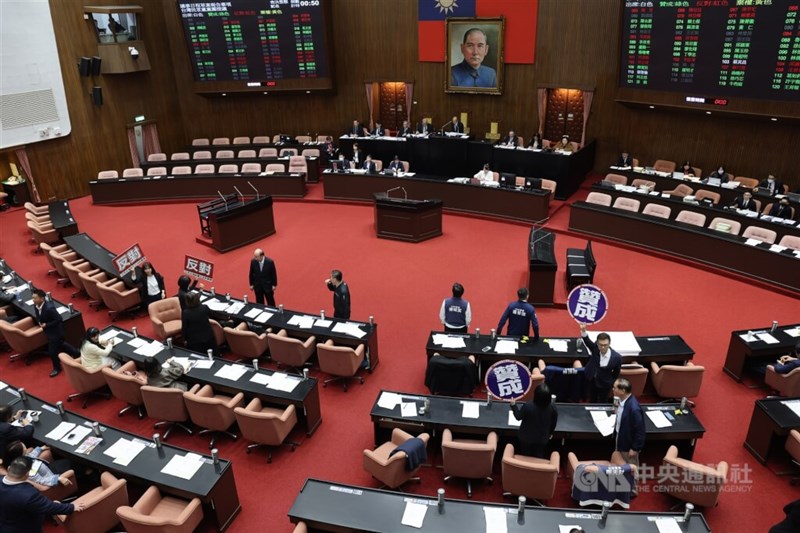
Taipei, July 14 (CNA) Opposition lawmakers on Tuesday fast-tracked two proposals to hold referendums on the abolition of the government's nuclear-free policy and the legalization of medical euthanasia to be held on the same day as the nine-in-one local elections in November.
The Kuomintang (KMT) and the Taiwan People's Party (TPP), which together hold a majority in the Legislature, voted to have the two proposals bypass the standard committee review stage and proceed directly to a second reading.
• CEC chief urges restraint on referendums, rejects absentee voting
KMT targets 'Nuclear-Free' Policy
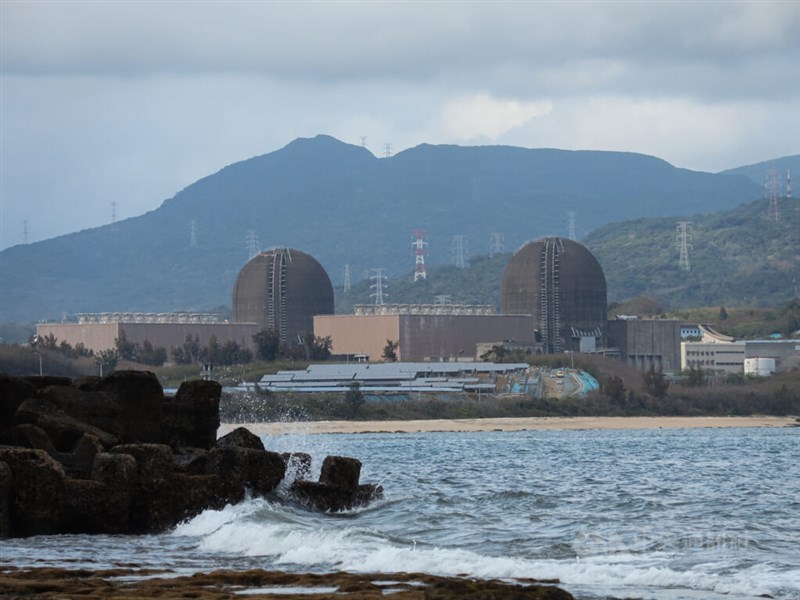
The KMT is seeking to abolish the "Nuclear-Free Homeland" policy, which was codified in the Basic Environment Act in 2002 and fully realized in 2025 following the shutdown of the final operational reactor at the Maanshan Nuclear Power Plant.
"Do you agree that the government should abolish the 'Nuclear-Free Homeland' policy to ensure public health, stable power supply, cheap electricity rates, enhanced national defense resilience, and support for the development of the artificial intelligence (AI) industry?" it reads.
If the Central Election Commission (CEC) approves the proposal, it will mark the nation's fourth referendum on nuclear energy, following initiatives in 2018 (abolishing the mandate to cease operation of nuclear facilities by 2025), 2021 (restarting the mothballed Fourth Nuclear Power Plant), and 2025 (extending the operation of the Maanshan Nuclear Power Plant).
The KMT has argued that the proposal reflects public expectations for stable electricity supply and will ensure Taiwan avoids an energy crisis.
Anti-nuclear groups countered by slamming the KMT for "repeatedly" forcing referendums on the issue, accusing the party of "trivializing" the national voting process.
Since Taiwan shut down its last nuclear power plant in May last year, power supplies have remained stable and air quality has improved, debunking the myth that Taiwan would face power shortages without nuclear energy, No Nukes Action Platform said in a statement.
TPP seeks path to legalize euthanasia
In initiating the euthanasia referendum, the TPP argued that it was turning to the public due to the lack of significant legislative progress on the issue over the years.
"Do you agree that the government should legalize euthanasia under a regulated system to allow individuals suffering from intractable illnesses and unbearable pain to choose death of their own free will, ensuring their autonomy and a dignified end?" the proposal reads.
Because euthanasia is an issue that involves profound questions of human dignity and fundamental value choices, it should be decided by the public through a referendum, TPP Chairman Huang Kuo-chang (黃國昌) told a news conference on Tuesday.
Taiwan is scheduled to hold nine-in-one local elections on Nov. 28, covering city and county mayoral posts, local council seats, and other public offices.
Opposition pushes six referendum proposals for November ballot
Prior to Tuesday, the KMT had put forward two other referendum proposals, including one introducing caning as a punishment for "major crimes."
Another KMT referendum proposal, framed as "opposing the abolition of the death penalty," asks voters: "Do you agree that death penalty sentencing by collegial panels at all court levels should not be limited to a unanimous decision?"
This initiative directly counters the Constitutional Court's 2024 ruling, which -- while upholding the constitutionality of capital punishment -- mandated that death sentences must be supported by a unanimous decision from a collegial panel.
Meanwhile, the TPP had also proposed two other referendums: one seeking to implement absentee voting for presidential, legislative, and nationwide elections, and another to mandate that all revenue from traffic fines be earmarked for road safety improvements.
Under the Referendum Act, referendum proposals -- whether initiated by citizens or the Legislative Yuan -- must be submitted to and verified by the CEC to ensure they meet all legal requirements before they can be placed on the ballot for a public vote.
Article 30 of the Referendum Act mandates that the government is required to implement the results of a passed referendum, with legislative or policy changes binding for two years.
- Sports
Taiwan's Chen Yi-fan wins artistic skating gold at World Skate Games
10/09/2026 07:21 PM - Politics
Lai's National Day address to focus on Taiwan's economy, global role
10/09/2026 07:07 PM - Politics
Japanese lawmakers visit Taiwan for National Day celebrations
10/09/2026 07:02 PM - Culture
Czech, Taiwanese writers explore democracy, history at Frankfurt Book Fair
10/09/2026 07:00 PM - Society
China Youth Corps' designation as KMT-affiliated organization upheld
10/09/2026 06:09 PM