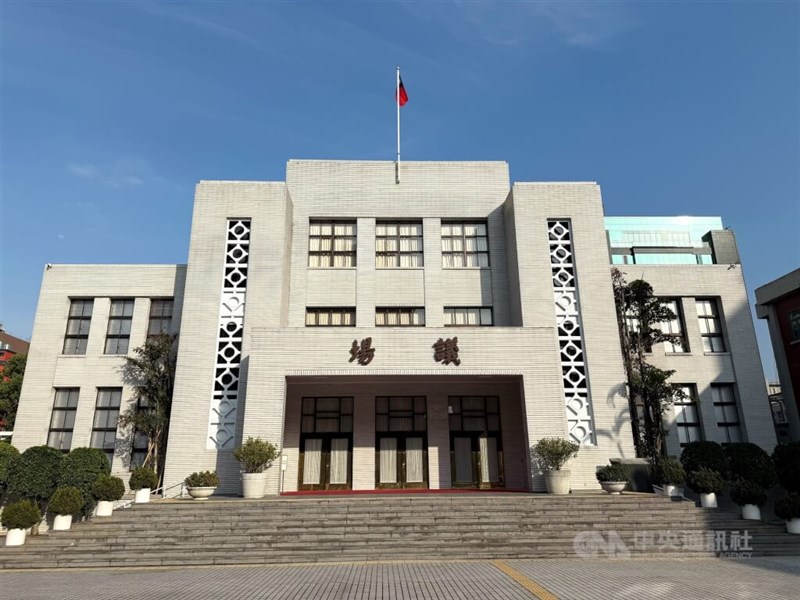
Taipei, March 22 (CNA) Taiwan's Legislative Yuan is expected to see tense debates when it begins reviewing three competing special budget bills on arms procurement on Monday, including a Cabinet proposal totaling NT$1.25 trillion (US$39.4 billion).
The Foreign Affairs and National Defense Committee and the Finance Committee will hold joint sessions on Monday, Wednesday and Thursday to review the bills proposed by the Cabinet, the main opposition Kuomintang (KMT), and the smaller opposition Taiwan People's Party (TPP).
Monday's session will focus on questioning defense officials on the various measures proposed, while line-by-line reviews of the bills will take place on Wednesday and Thursday, according to the Legislature's agenda.
Both the ruling and opposition legislative caucuses were expected to make sure all of their members on the Foreign Affairs and National Defense Committee would attend the meetings.
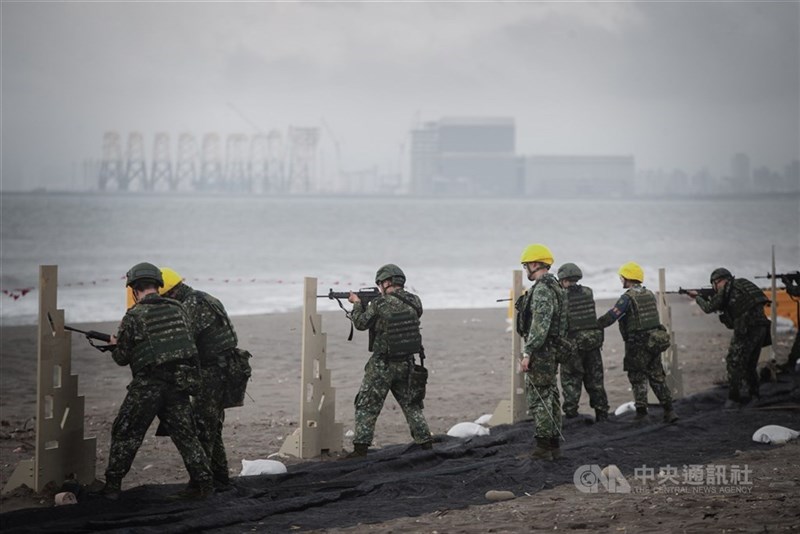
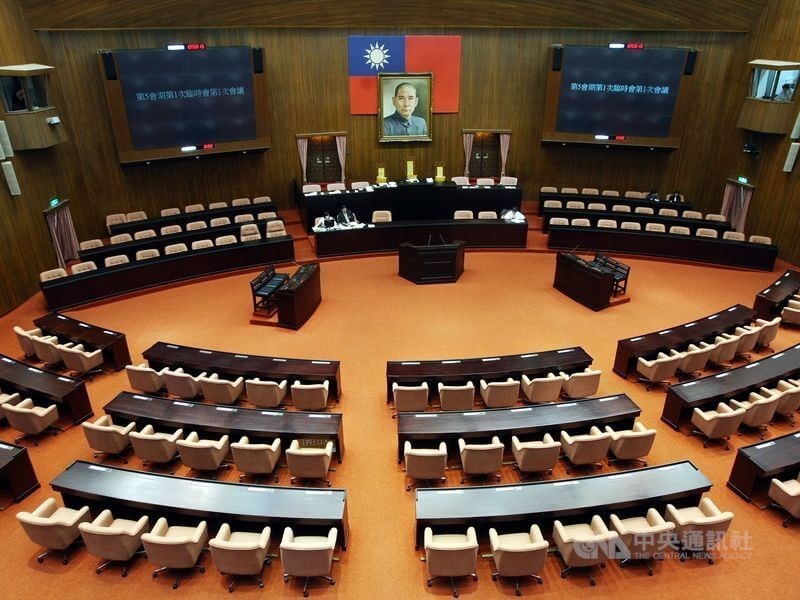
The committee consists of seven KMT lawmakers, including Legislative Speaker Han Kuo-yu (韓國瑜), seven lawmakers from the ruling Democratic Progressive Party (DPP), and one TPP legislator.
In addition, the members of the Finance Committee -- seven from the KMT, six from the DPP, and one from the TPP -- are also expected to take part in reviewing the special budget bills.
At present, the KMT and TPP together hold a majority of 60 out of 113 seats in the Legislative Yuan, while the DPP holds 51 seats. The remaining two seats are held by KMT-leaning independent lawmakers.
The review process is expected to spark debate and draw considerable attention given the difference in funding proposed in the three bills and the support the United States has given to the passage of the Cabinet's proposal.
3 competing budget plans
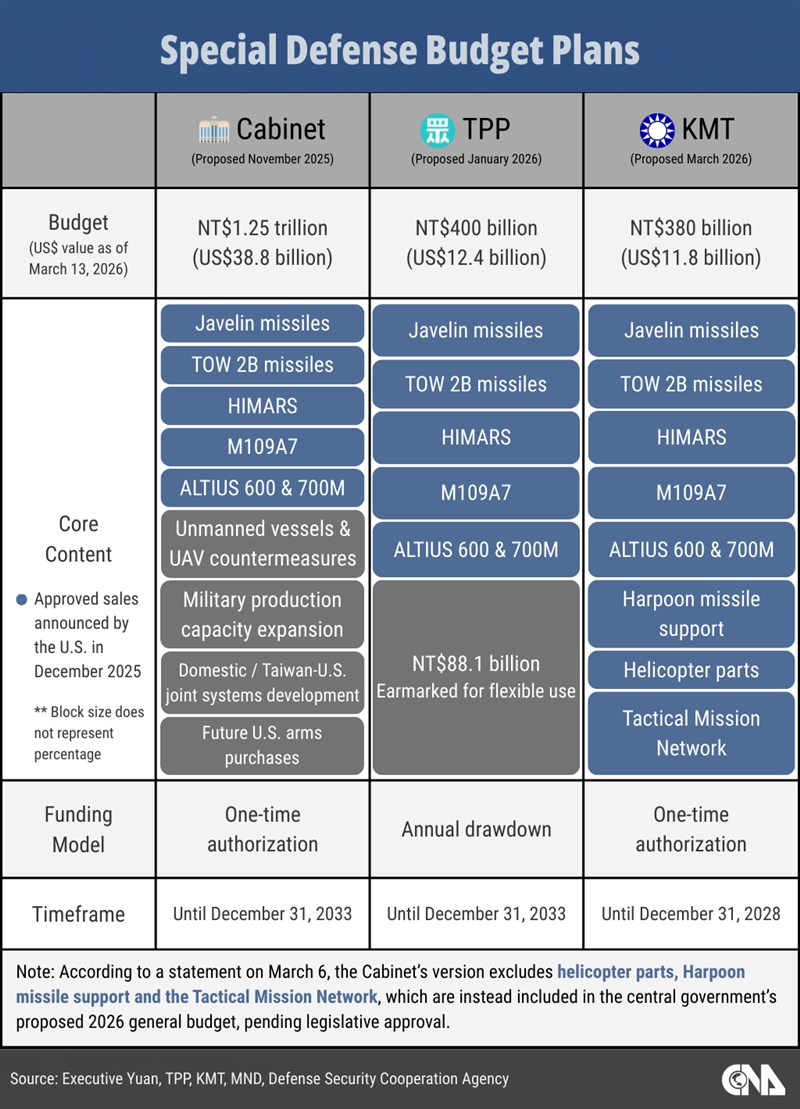
The Cabinet's version of the national defense special act, formally titled the "Special Act for Strengthening Defense Resilience and Asymmetric Capabilities Procurement," spans eight years (2026-2033) and has a total budget of NT$1.25 trillion.
Since being sent to the Legislature for review on Nov. 27, 2025, the Cabinet bill has been repeatedly blocked by the KMT and TPP due to what they said was its lack of transparency, preventing it from being referred to committee before the end of the previous legislative session on Jan. 31.
The TPP's version, formally titled the "Special Act for Safeguarding National Security and Strengthening Asymmetric Capabilities Procurement," was introduced on Jan. 26 this year.
It includes five procurement items, including M109A7 self-propelled howitzers, HIMARS multiple launch rocket systems, and anti-armor drone missile systems, caps arms spending at NT$400 billion through 2033, and requires funding to be allocated on an annual basis.
The KMT's version, formally titled the "Special Act for Strengthening National Defense and U.S. Military Procurement," was introduced on March 5.
It sets a budget cap of NT$380 billion and authorizes the Ministry of National Defense (MND) to propose a "second-phase special act" if additional U.S. arms purchases are needed in the future.
In addition, the KMT bill stipulates that all procurement projects must be completed by 2028.
Defense Minister Wellington Koo (顧立雄) has said, however, that such a timetable was not realistic and would effectively block major procurement programs, including the HIMARS systems.
The funding provided for in the TPP and KMT bills is enough to cover the US$11.1 billion in arms packages approved for sale to Taiwan by the U.S. in December 2025.
The MND has argued, however, that military investment planning follows a program-based budgeting system, and that any version of the special budget act must comply with this system to be implemented.
It said the issue is not merely about project items and funding levels. "If one looks only at the funding and ignores the requirements, the entire plan will inevitably be disrupted," the ministry contended.
- Sports
Japan defeats Taiwan in U-12 Asian Baseball Championship final
08/16/2026 05:03 PM - Society
CWA issues heavy rain advisories for most of Taiwan proper
08/16/2026 04:40 PM - Business
Taiwan average annual income hits record high in 2025: DGBAS
08/16/2026 04:07 PM - Culture
Taiwan wins 1 gold, 2 silvers in International Olympiad in Informatics
08/16/2026 03:41 PM - Sports
Tigers' Lee ties Taiwanese MLB player single-season record for hits at 54
08/16/2026 01:50 PM