Formosan flying fox colony thrives in urban Hualien on old trees: Study
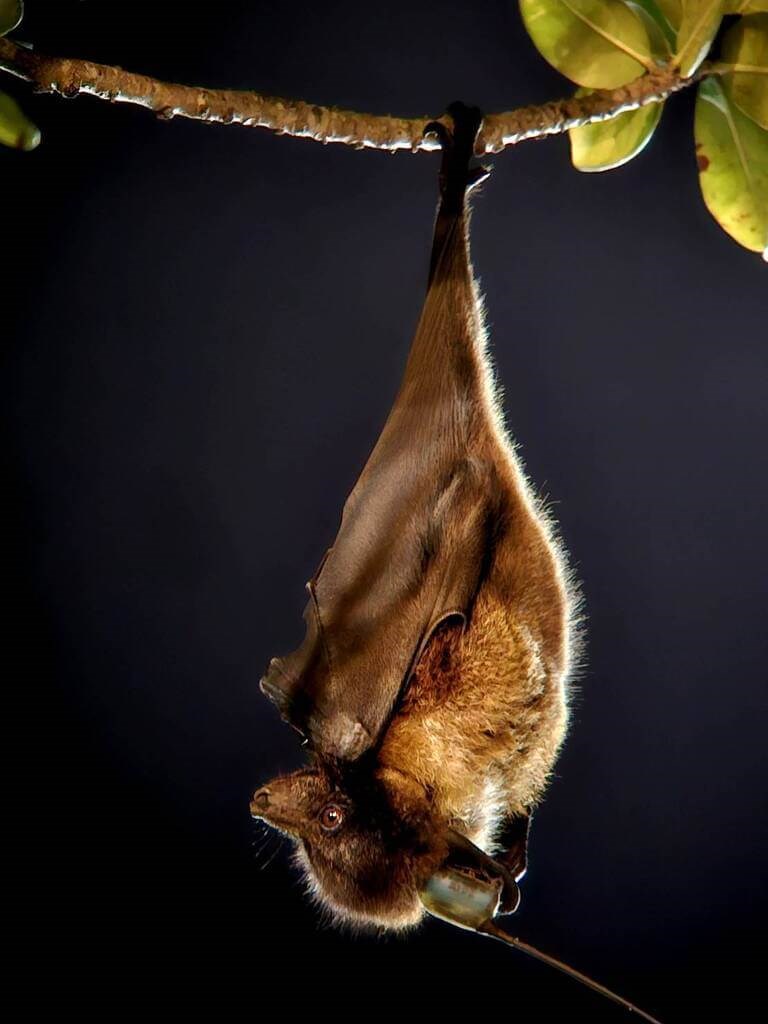
Taipei, Aug. 26 (CNA) A rare urban colony of Formosan flying foxes has been found in Hualien City, where century-old trees and abundant food sources planted under colonial-era urban planning have inadvertently created a favorable habitat for the endangered species, researchers said in Taipei Wednesday.
The findings were presented at a press conference held ahead of International Bat Night, an annual event promoting public awareness and bat conservation that will take place Aug. 29-30 this year.
A 2024 survey found 154 Formosan flying foxes, the largest bat species in Taiwan, living in and around Hualien City, making it one of the largest known populations of the endangered endemic bats in Taiwan and an unusual example of a colony thriving in an urban environment, according to the researchers.
Lin Ching-lung (林清隆), a doctoral researcher at National Taiwan Normal University, said the first known sighting in Hualien City was reported by a teacher at Hualien Girls' Senior High School in 1992.
Researchers initially thought the animal was an isolated visitor, but later discovered an established colony living in the city, Lin said.
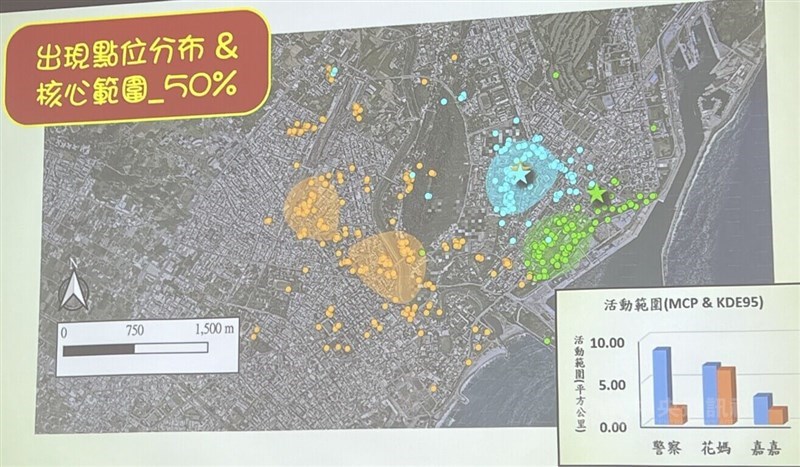
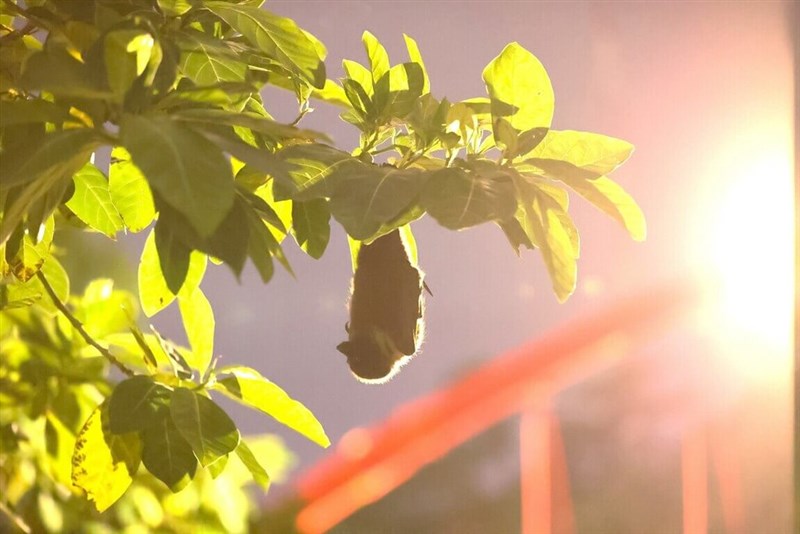
He said the colony's presence may be linked to trees planted as part of Hualien's colonial-era urban development, adding that many trees along the city's streets and in its parks produce fruit eaten by flying foxes, including century-old sea mango trees.
The abundance of food and tall trees allows the flying foxes to feed and roost in the eastern Taiwan city during the day, Lin said.
The contrast with Taitung City is notable, he added. Although Taitung has similar coastal geography, it does not have a comparable urban flying fox population, possibly because Hualien has more green space and suitable trees.
However, climate change could threaten the colony. Lin said fruit production by one of the flying foxes' major food sources, the large-leaved tree, was only about one-third of normal this year, raising concerns that the population could decline as food becomes scarcer.
Formosan flying foxes are fruit bats that play an important role in seed dispersal and pollination, researchers said, adding that they hope to work with local communities to preserve suitable urban habitats and encourage people to view the animals as an important part of the ecosystem rather than a threat.
The species was once mainly found on Green Island, but nearly disappeared due to overhunting. It is classified as an endangered protected wildlife species under Taiwan's Wildlife Conservation Act.
- Sports
Taiwan bags silver medals in men's, women's team soft tennis
09/20/2026 07:57 PM - Politics
Labor minister heads to China for APEC meeting
09/20/2026 07:56 PM - Society
Favorable weather to allow Mid-Autumn Festival moon gazing: CWA
09/20/2026 07:40 PM - Culture
Lai outlines 4 priorities for Taiwan's cultural future at congress
09/20/2026 07:20 PM - Society
Over 21,000 swimmers participate in annual Sun Moon Lake swim fest
09/20/2026 04:56 PM