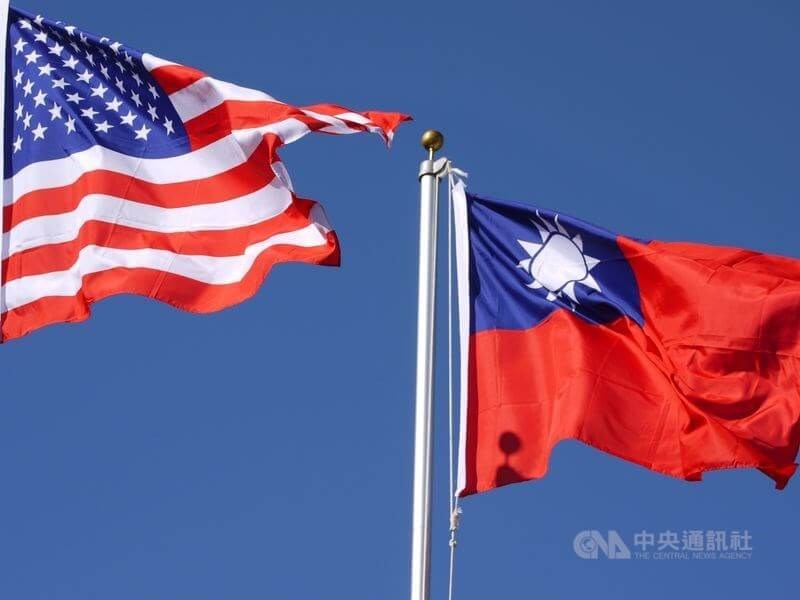
Washington, July 11 (CNA) An American scholar has rejected President Donald Trump's claim that Taiwan "took" America's chip industry, saying the United States and Taiwan are strategic partners rather than competitors in semiconductors.
Michael Cunningham, a senior fellow at the Stimson Center, said in an email to CNA on July 9 that "Taiwan didn't take America's chip business." Instead, U.S. companies remain leaders in semiconductor design while outsourcing manufacturing to Taiwanese firms.
"It's a partnership that has served the U.S. and its semiconductor businesses very well," he said when asked to comment on Trump's repeated claims that Taiwan "stole" America's chip industry.
In a July 2 CNBC interview, Trump claimed Taiwan had "literally took 100 percent" of the semiconductor business and predicted the U.S. would have "40 to 50 to 60 percent" of chip manufacturing by the time he leaves office.
Cunningham said Taiwan Semiconductor Manufacturing Co. (TSMC) and some suppliers are expanding in the U.S., but "they aren't leaving Taiwan."
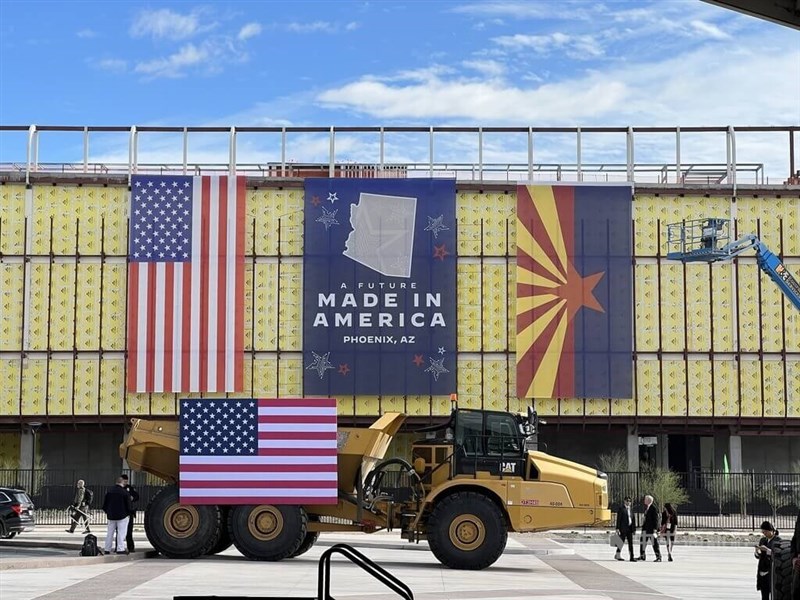
The U.S. projects are new investments alongside existing operations, while new fabs are also being built in Taiwan as global demand continues to grow, he said.
Asked why Trump has repeatedly singled out Taiwan, Cunningham said it reflects the president's desire to reverse U.S. deindustrialization and reduce reliance on imported chips.
The scholar noted, however, that concern over dependence on Taiwan is bipartisan, with both the Trump and Biden administrations seeking to expand domestic chip manufacturing through different approaches.
Cunningham also dismissed Trump's prediction that 40-60 percent of chip manufacturing would be based in the U.S. by the end of his term.
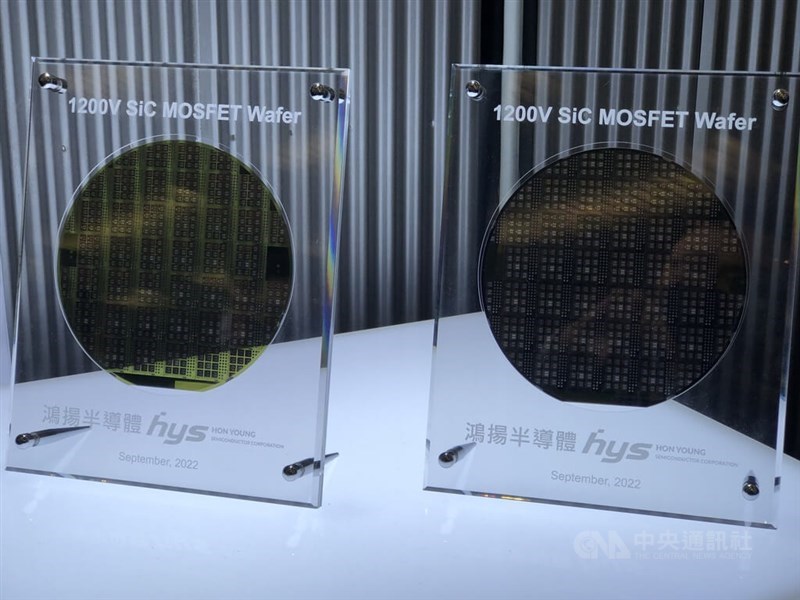
"Not a chance," he said, noting that Taiwan's mature semiconductor ecosystem enables it to make chips cheaper at a higher quality level and at a much larger scale than the U.S. can currently achieve.
While U.S. production will increase, he said Taiwan's decades-built semiconductor ecosystem cannot be replicated quickly, making a substantial reduction in U.S. reliance on Taiwan unlikely in the next few years.
In a recent commentary, Cunningham argued that "America's chip future still runs through Taiwan," adding that partnership with Taiwanese firms remains critical to U.S. industrial goals.
- Politics
Allies call for Taiwan's inclusion in joint letter to United Nations
09/19/2026 01:20 PM - Sports
Taiwan wins senior women's 500kg tug of war title for 5th straight year
09/19/2026 12:29 PM - Society
Taiwan headline news
09/19/2026 12:09 PM - Business
Taiwan drone maker partners with North American group to boost exports
09/18/2026 08:58 PM - Politics
Taiwan welcomes delegates for launch of global disaster alliance
09/18/2026 08:24 PM