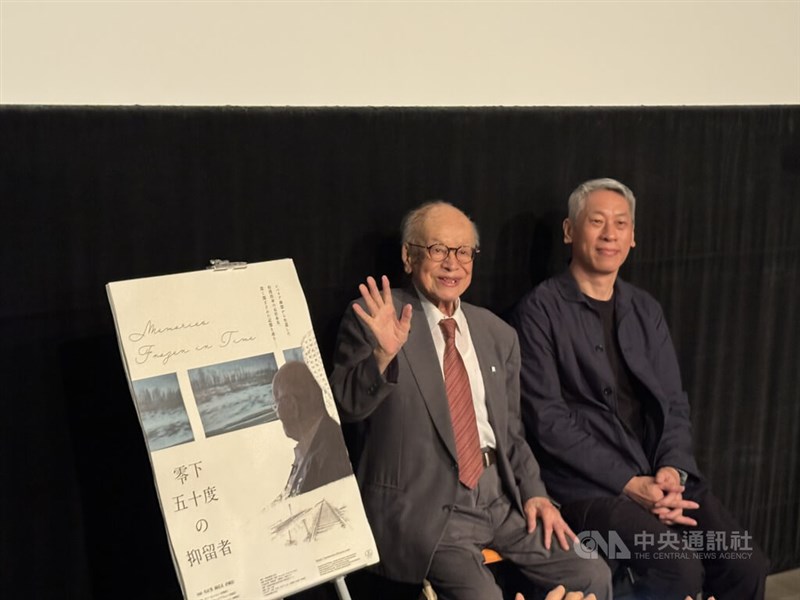
Tokyo, Sept. 9 (CNA) A documentary exploring the little-known history of Taiwanese soldiers detained in remote Soviet prisoner-of-war camps after fighting for Japan in World War II was screened in Tokyo recently.
"Memories Frozen in Time," directed by Hsu Ming-chun (許明淳), traces the lives of Taiwanese soldiers held by the Soviet Union after Japan's surrender in 1945. Hsu spent three years researching records and visiting Taiwan, Japan and Russia, while interviewing former prisoners and their families.
Among those featured is 99-year-old Wu Cheng-nan (吳正男), believed to be the only surviving Taiwanese former POW who spent time in the Soviet Union. Wu said he considers himself fortunate to have survived both the war and about two years of captivity.
During World War II, when Taiwan was under Japanese colonial rule, more than 200,000 Taiwanese joined the Japanese military and were sent to battlefields across Asia, with around 30,000 killed or reported missing in the war, according to Taiwan's National Human Rights Museum.
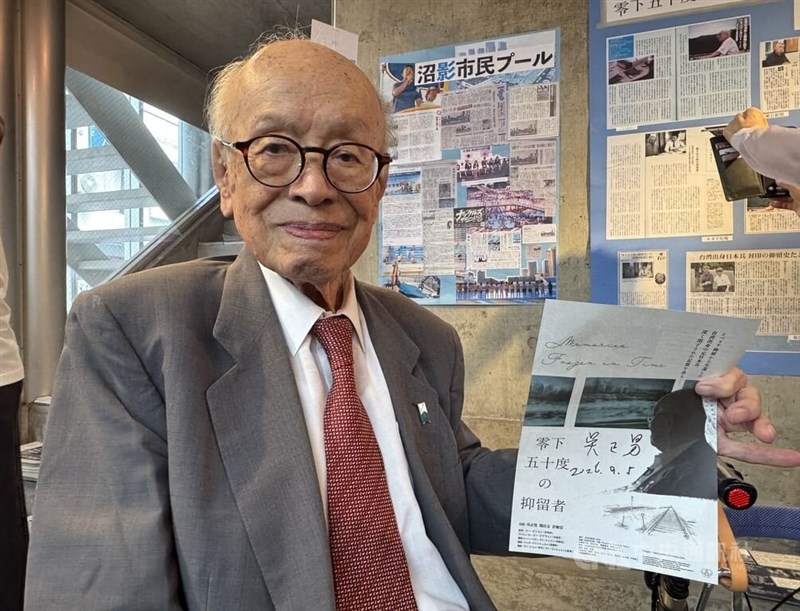
Wu was born in 1927 in Tainan Prefecture during Japanese colonial rule. He went to Japan to study at the age of 14 and joined the Japanese military at 17.
According to Taiwan's National Cultural Memory Bank, Wu was serving at Sondok Airport in Korea toward the end of the war. While awaiting repatriation to Japan after the war, he encountered Soviet forces and was taken prisoner.
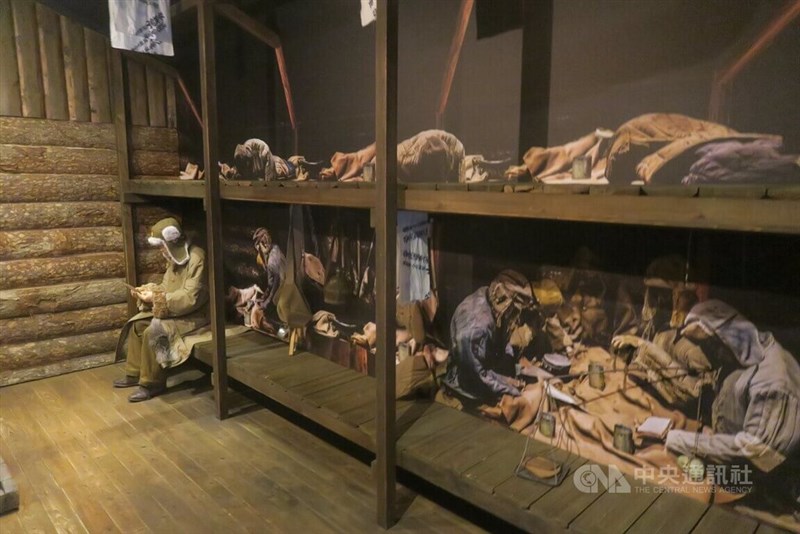
He was transported to a detention camp in Kazakhstan, where he was subjected to two years of forced labor. After Japan's surrender, the Soviet Union transported large numbers of Japanese prisoners of war to Siberia and other areas for forced labor, and many died as a result.
Wu was finally repatriated in July 1947. Because he was still using his Japanese name and had provided the address of relatives in Japan, he was sent to Japan rather than Taiwan.
He later completed high school and university in Japan and eventually settled there.
The screening last Saturday was followed by a discussion with Hsu and Wu, who said the film was an opportunity to open a dialogue across generations about memories of war and what it means to be Taiwanese.
"My greatest happiness in life is that I came back alive from the battlefield," Wu said, adding that despite the hardships he endured, he did not completely reject the experience because it ultimately became part of the life he was able to live.
Wu said, however, that people should remember not only the survivors but also the thousands of Taiwanese who never returned from the war. Many had their own lives and stories, but those stories were never passed on to later generations, he added.
Reflecting on Taiwan's complicated historical memories and questions surrounding identity, Hsu said his generation has a responsibility to share different aspects of Taiwan's history with others and with younger generations.
The film ends with two people born in 2005, including Hsu's son. Hsu said he had never seriously discussed history and identity with his son before making the documentary, prompting him to realize that such conversations needed to start within his own family.
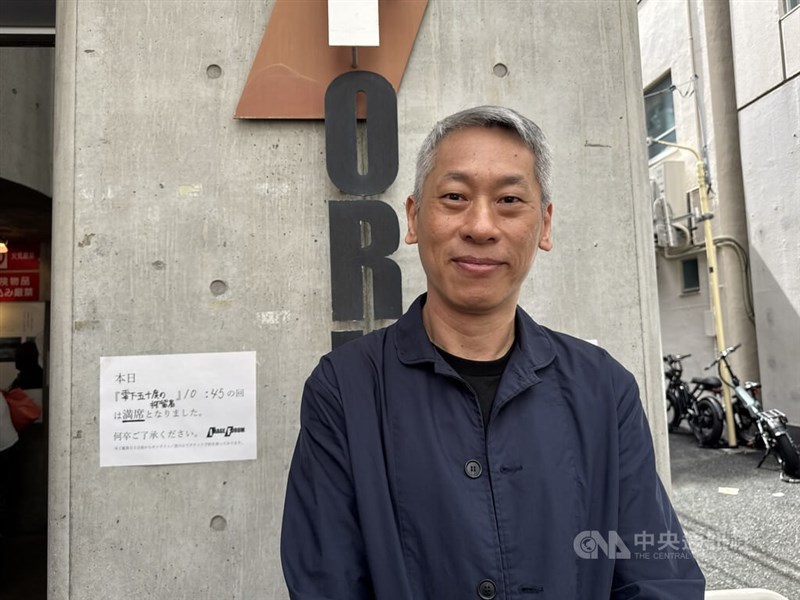
He hopes the film will encourage audiences to ask their parents and grandparents about their experiences, saying that without knowing their stories, it would be difficult to pass family history on to the next generation.
Meanwhile, Wu said he has also spent decades seeking a place in Japan to commemorate Taiwanese who died during the war. A memorial site was established last summer in Yokohama, which he said was a source of great comfort.
Wu said he hopes people will remember that the war left behind not only the stories of the few who survived, but also those of tens of thousands who never had the chance to speak.
"More important than the dozen or so people who are still alive to tell their wartime experiences are the 30,000 who are no longer with us," he said.
- Society
Taiwan reports 30 mpox cases in 2026, imported infections double
09/09/2026 04:40 PM - Culture
Documentary explores history of Taiwanese POWs in Soviet captivity
09/09/2026 04:35 PM - Politics
Economic impact of Taiwan Strait conflict could exceed WWII's: AIT chief
09/09/2026 04:23 PM - Politics
Legislator Lin Tai-hua hit with new charges in corruption case
09/09/2026 04:21 PM - Business
U.S. dollar closes lower on Taipei forex market
09/09/2026 04:19 PM