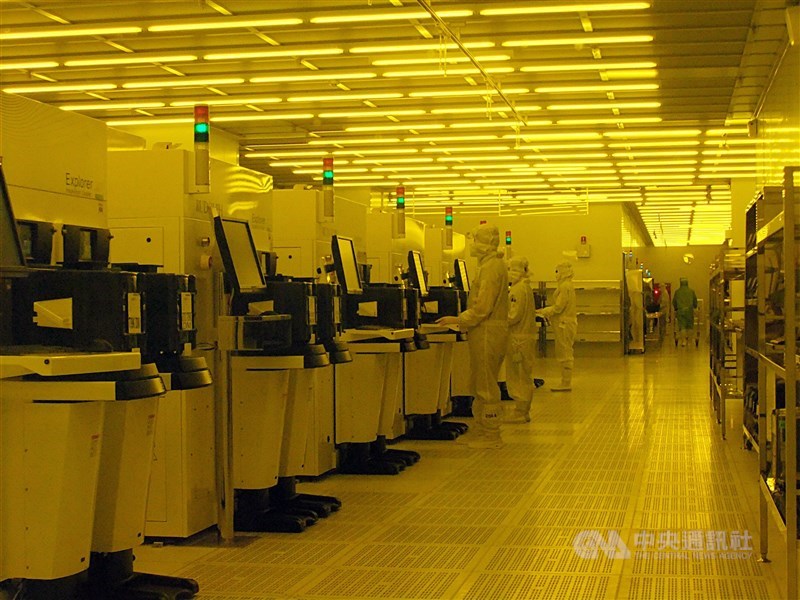
Taipei, Sept. 10 (CNA) Taiwan is expanding semiconductor research infrastructure and developing homegrown chip-design software under a government initiative aimed at maintaining the country's technological edge, the Cabinet said Thursday.
Cabinet spokesperson Michelle Lee (李慧芝) said after a Cabinet meeting that the government plans to invest NT$300 billion (US$9.51 billion) through 2033 in areas including next-generation chip design and advanced semiconductor processes.
"Taiwan has a world-leading semiconductor ecosystem, but we still need to continue investing in advanced technology research and development and cultivating high-level talent to consolidate our advantages in the chip industry," Lee quoted Premier Cho Jung-tai (卓榮泰) as saying.
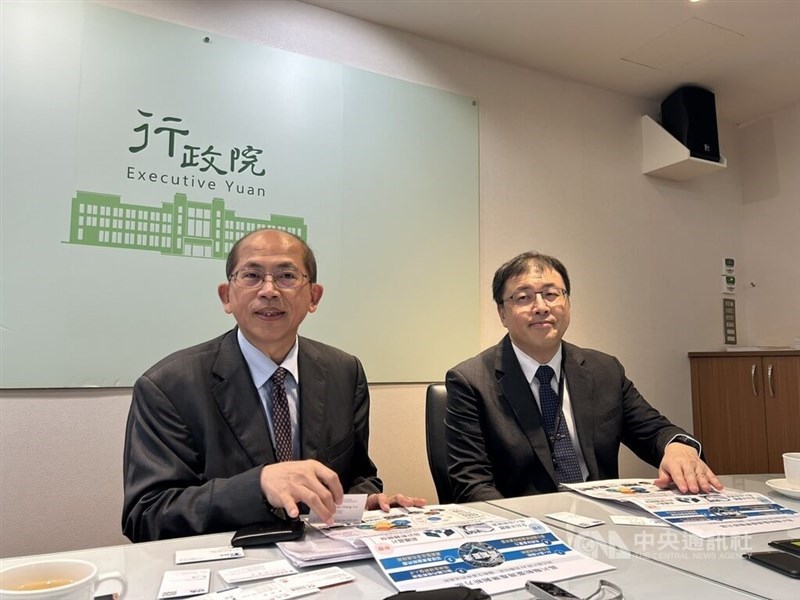
Peter Hong (洪樂文), head of the National Science and Technology Council's Department of Engineering and Technologies, said two projects under the Taiwan Chip-based Industrial Innovation Program are being carried out from 2024 to 2028, focusing on research infrastructure and chip-design software.
Under the hardware project, seven university semiconductor institutes will receive subsidies for equipment that will be linked through a single service platform, Hong said.
Two research institutes under the National Institutes of Applied Research also plan to establish an atomic-scale process verification line for sub-1-nanometer processes, he said.
The most advanced semiconductor process currently in mass production is 2 nanometers. Taiwan Semiconductor Manufacturing Co. (TSMC) began high-volume production using its 2-nanometer process in the fourth quarter of 2025.
The government-backed Industrial Technology Research Institute (ITRI) will also build an advanced semiconductor pilot line for startups and small and medium-sized enterprises (SMEs) that need low-volume, high-mix trial production, Hong said.
On the software side, Hong said the government wants to strengthen Taiwan's ability to independently develop electronic design automation (EDA) tools used in chip design, layout and verification.
Such software has traditionally been "in the hands of a few major international companies," Hong said. However, EDA tools for emerging areas such as advanced packaging remain relatively underdeveloped, creating what he called "a very good opportunity" for Taiwan to enter the market.
Hong said universities will develop key EDA tools for advanced packaging, while ITRI will build an intelligent EDA cloud platform and integrate tools developed by industry and research institutions into a complete chip-design toolchain.
Support for SMEs
Separately, the Cabinet outlined an expanded support plan for SMEs and microenterprises, which together account for 98.9 percent of businesses in Taiwan and nearly 80 percent of employment.
GJ Lee (李冠志), head of the Ministry of Economic Affairs' Small and Medium Enterprise and Startup Administration, said the government wants technological advances in Taiwan's high-tech and manufacturing sectors to benefit smaller businesses across industries.
The government aims to help at least 1 million SMEs and microenterprises adopt digital technologies and artificial intelligence, with annual funding expected to reach nearly NT$25 billion from next year, Lee said.
- Politics
228 foreign guests to attend 2026 ROC National Day celebrations: MOFA
10/08/2026 08:53 PM - Business
September exports hit record monthly high, extend growth to 35 months
10/08/2026 08:52 PM - Politics
MAC slams Beijing over threats tied to Kevin Tsai's campaign appearance
10/08/2026 08:29 PM - Politics
Taipei mayor candidates Chiang, Shen spar over Songshan Airport plan
10/08/2026 08:22 PM - Society
Northeasterly winds to bring rain to parts of Taiwan over holiday weekend
10/08/2026 07:20 PM