INTERVIEW/China-Japan situation reflects 'wolf warrior' approach: Taiwan diplomat
12/15/2025 06:44 PM
Taiwan's Representative to Japan Lee Yi-yang (李逸洋) has said that Beijing's actions toward Japan in the past few weeks reflect its long-standing "wolf warrior diplomacy" intimidation approach.
(Full text of the story is now in CNA English news archive. To view the full story, you will need to be a subscribed member of the CNA archive. To subscribe, please read here.)
More in INTERVIEW
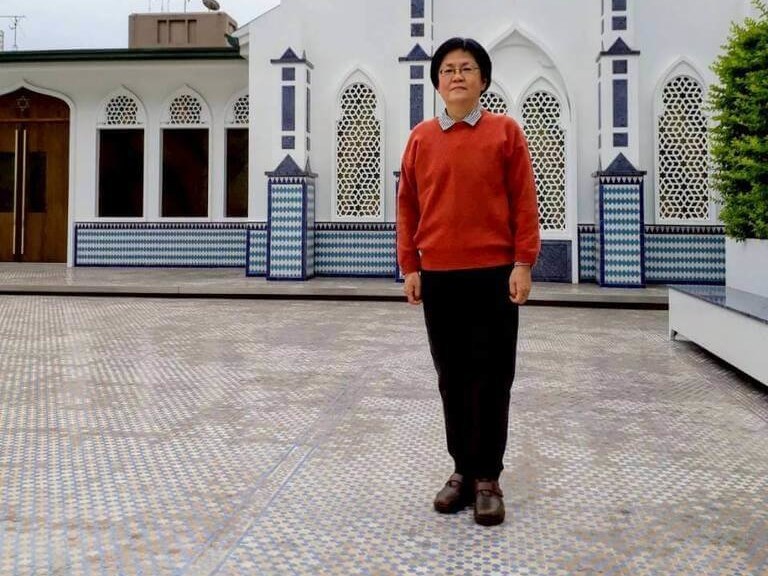
![Scholar uses rare skill to decode work shining light on Taiwan's past]() Scholar uses rare skill to decode work shining light on Taiwan's pastWhen Taiwanese scholar Chang Shoou-huey (張守慧) realized that a 350-year-old travelogue of Taiwan written in an obsolete form of German existed, she saw it as a unique opportunity to apply years of specialized training.06/22/2026 04:48 PM
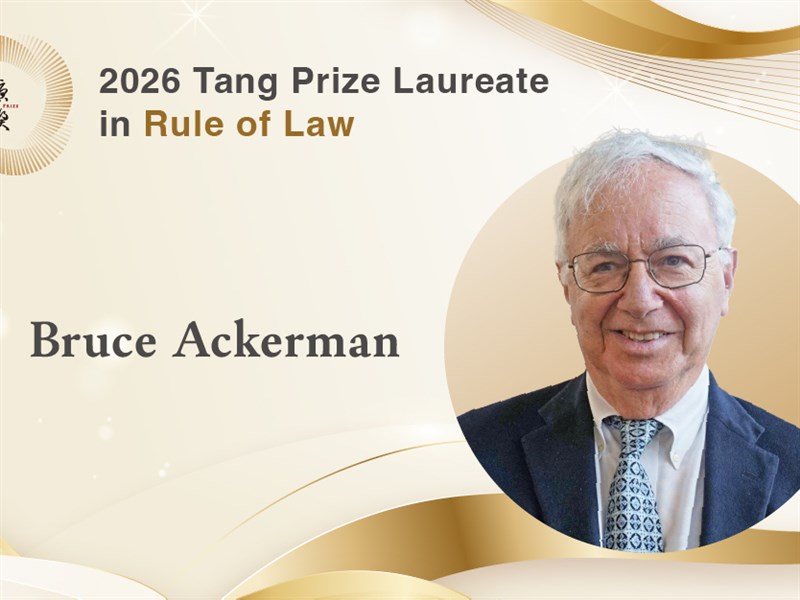
Scholar uses rare skill to decode work shining light on Taiwan's pastWhen Taiwanese scholar Chang Shoou-huey (張守慧) realized that a 350-year-old travelogue of Taiwan written in an obsolete form of German existed, she saw it as a unique opportunity to apply years of specialized training.06/22/2026 04:48 PM![U.S. democracy faces unprecedented threat under Trump: Tang Prize laureate]() U.S. democracy faces unprecedented threat under Trump: Tang Prize laureateRenowned American scholar Bruce Ackerman said he believes the United States is facing the gravest threat to its democracy in the country's history, as he reflected on receiving the 2026 Tang Prize in Rule of Law.06/18/2026 11:55 AM
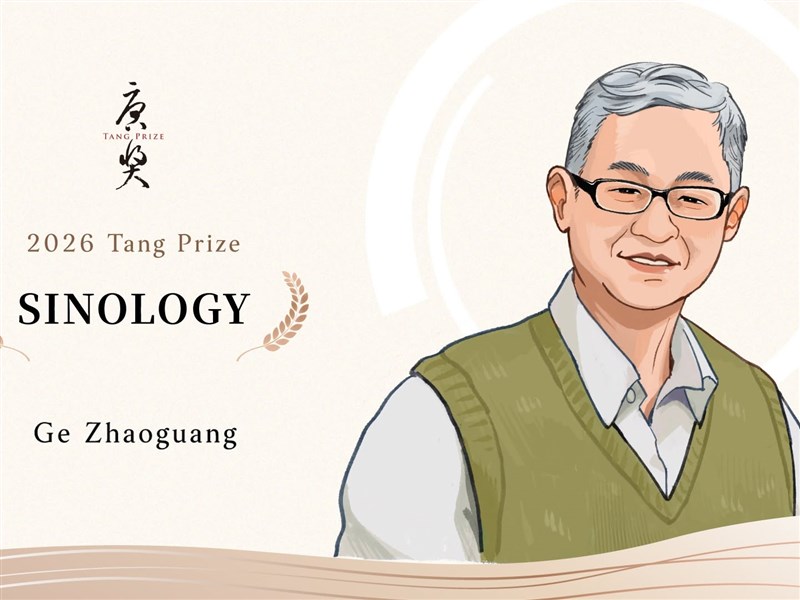
U.S. democracy faces unprecedented threat under Trump: Tang Prize laureateRenowned American scholar Bruce Ackerman said he believes the United States is facing the gravest threat to its democracy in the country's history, as he reflected on receiving the 2026 Tang Prize in Rule of Law.06/18/2026 11:55 AM![Given new life by Sinology, Tang Prize laureate eager to promote Chinese culture]() Given new life by Sinology, Tang Prize laureate eager to promote Chinese cultureThe 2026 Tang Prize laureate in Sinology Ge Zhaoguang (葛兆光) said studying Chinese history has given him a chance at "rebirth," and that he believes Sinologists have a mission to promote a better understanding of Chinese culture worldwide.06/17/2026 12:06 PM
Given new life by Sinology, Tang Prize laureate eager to promote Chinese cultureThe 2026 Tang Prize laureate in Sinology Ge Zhaoguang (葛兆光) said studying Chinese history has given him a chance at "rebirth," and that he believes Sinologists have a mission to promote a better understanding of Chinese culture worldwide.06/17/2026 12:06 PM
Latest
- Sports
Foreign player awarded NT$10 million in wrongful contract termination
06/24/2026 01:24 PM - Society
Clinic chain chief indicted for attempted rape amid privacy fight
06/24/2026 11:54 AM - Society
Taiwan headline news
06/24/2026 11:47 AM - Politics
China's Fujian aircraft carrier transits Taiwan Strait
06/24/2026 10:36 AM - Business
U.S. dollar up in Taipei trading
06/24/2026 10:31 AM