AMD to expand Taiwan supply chain investment as chip demand grows: Lisa Su
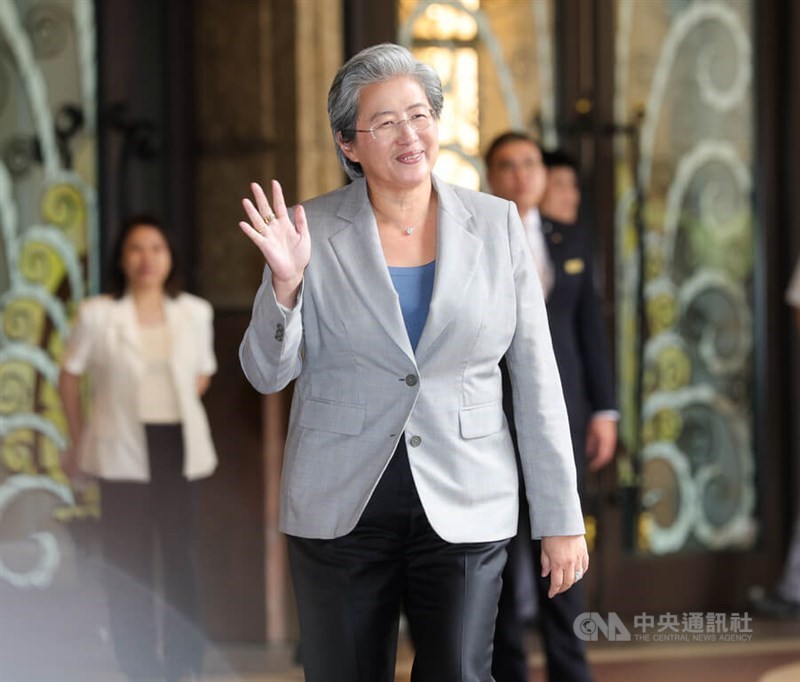
Taipei, Oct. 6 (CNA) Advanced Micro Devices, Inc. (AMD), a U.S. designer of processors and graphics chips, plans to increase its investment in Taiwan's supply chain as demand for computing chips continues to exceed supply, its chair and CEO Lisa Su (蘇姿丰) said Tuesday.
Su said the US$10 billion investment announced in May was progressing as planned. But growing demand for central processing units (CPUs), graphics processing units (GPUs) and other AI computing products was prompting AMD to invest more.
"We're increasing that number going forward because our demand has continued to go up and we're going to continue to invest in the supply chain going forward," she told reporters, without specifying a revised investment amount.
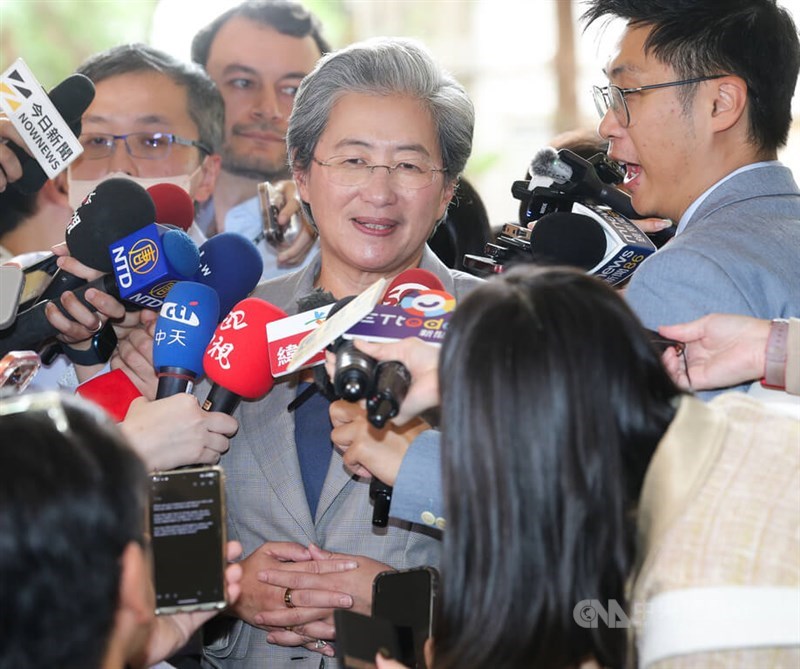
Su arrived in Taiwan on Tuesday morning for her third visit this year. She said she had met partners including Acer, Asus, Foxconn and Quanta, and would travel to Hsinchu that afternoon to meet Taiwan Semiconductor Manufacturing Co. (TSMC) and other suppliers.
Su said the CPU market had grown substantially in 2026. Although AMD had increased its supply capacity, demand remained higher, requiring further production increases.
TSMC, AMD's back-end manufacturing partners and substrate suppliers were working together to boost supply and help meet demand, she said.
"We've been able to increase our supply as we've gone through 2026, and we're going to substantially increase our supply in 2027, but we can definitely use more," Su said.
One reason for her visit was to ensure that suppliers expanded capacity for CPUs, GPUs and other AI computing needs, she added.
Su said strong demand for computing capacity had prompted AMD to extend its planning horizon with partners from one or two years to three to five. This would ensure that capacity across the supply chain becomes available at the same time.
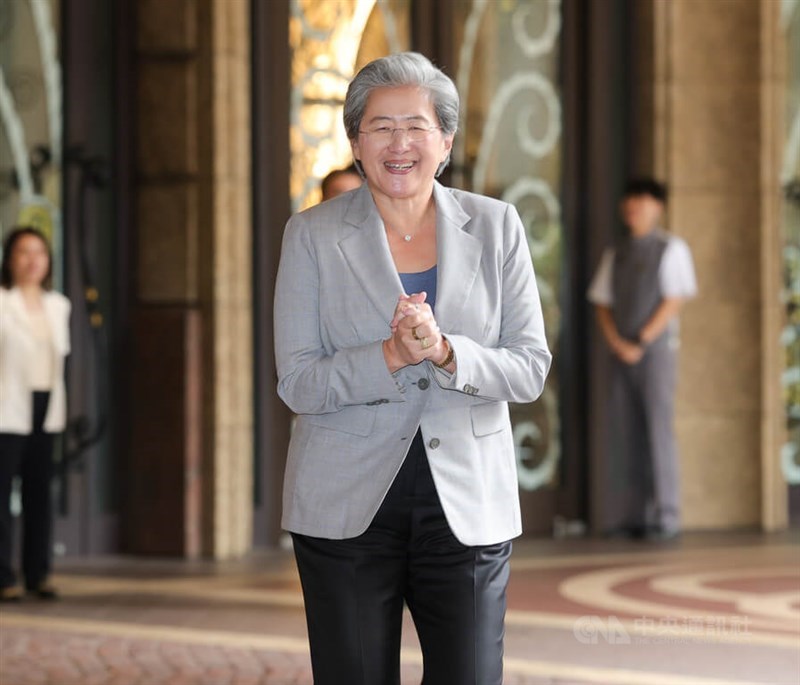
Asked whether AMD would consider investing directly in manufacturing capacity, Su said the company would maintain its current business model of working with suppliers while coordinating more closely with them.
Meeting computing demand over the next several years would require additional advanced wafer capacity, she said. TSMC's Arizona facility had worked well for AMD, she added.
Memory supply remained constrained across the market, Su said. AMD was working with suppliers and customers to plan requirements for high-bandwidth memory used in AI servers, as well as memory for CPUs and personal computers.
Su also confirmed that AMD began shipping its Helios AI platform in the third quarter as planned and would continue increasing shipments over the coming quarters.
She encouraged suppliers to diversify geographically but emphasized Taiwan's continuing importance.
"There's no question, Taiwan is absolutely critical to the semiconductor supply chain and very, very critical for AMD," she said.
- Politics
Ex-President Tsai arrives in San Francisco to warm welcome
10/06/2026 03:46 PM - Business
AMD to expand Taiwan supply chain investment as chip demand grows: Lisa Su
10/06/2026 02:59 PM - Society
- Business
Taiwan shares close up 0.22%
10/06/2026 01:51 PM - Politics
U.S. vows to protect individuals after alleged surveillance of Lai's son
10/06/2026 01:50 PM