Taipei, Aug. 21 (CNA) Conservation action plans for three endangered plant species native to Taiwan have been jointly developed by the Taiwan Biodiversity Research Institute (TBRI) and the Forestry and Nature Conservation Agency (FANCA), the Ministry of Agriculture said Friday.
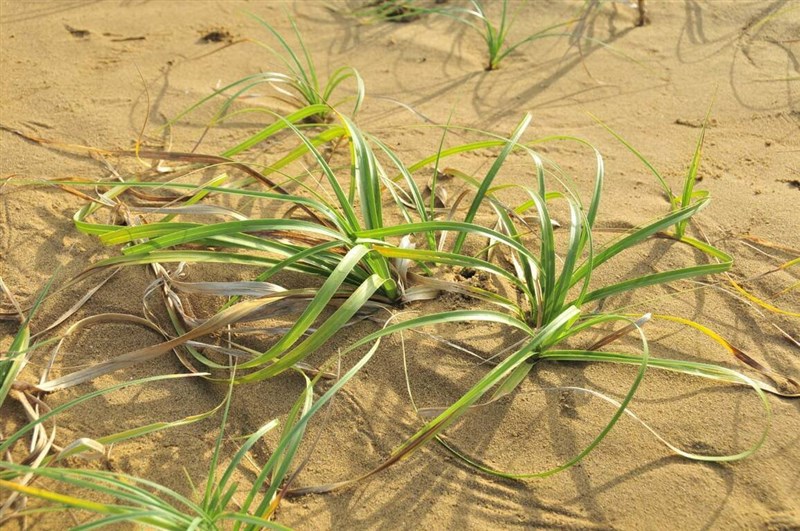
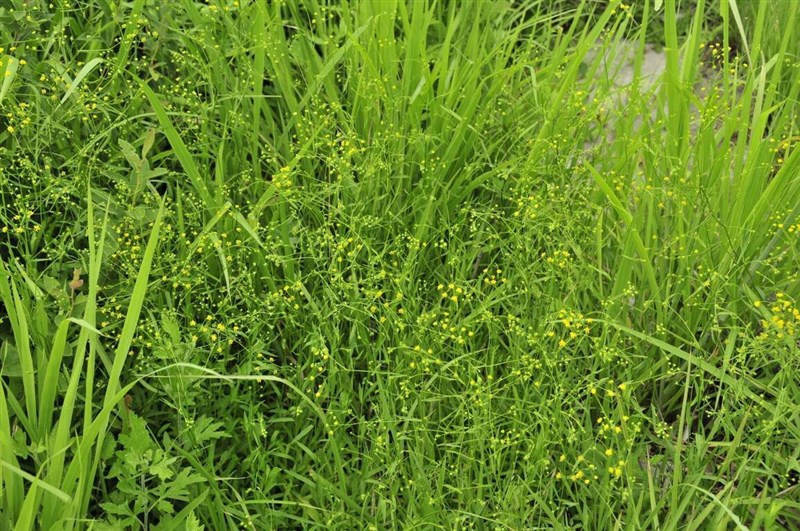
In a news release, the ministry, which oversees the TBRI and FANCA, said the plans are intended to strengthen conservation efforts for three endangered species: Taiwan cork-tree (Phellodendron amurense var. wilsonii), Kao's thorowax (Bupleurum kaoi), and Japanese sedge (Carex kobomugi Ohwi), a sand sedge found along Taiwan's coasts.
The conservation plans outline each species' current status, ecological characteristics, population trends, reproductive biology and conservation strategies, providing a framework for future conservation efforts.
The TBRI said it hopes collaboration among central and local governments, research institutions and civic groups will help reverse the decline of endangered plants and conserve Taiwan's native flora.
Japanese sedge and Taiwan cork-tree are listed as Critically Endangered on the International Union for Conservation of Nature Red List of Threatened Species, meaning they face an extremely high risk of extinction in the wild.
Bupleurum kaoi is listed as Endangered, one category below Critically Endangered, indicating it faces a very high risk of extinction in the wild.
The TBRI said Japanese sedge is a temperate coastal plant that grows near beaches. It is native to central and southern Japan, the Ussuri region, the Korean Peninsula, northeastern China and Taiwan, with Taiwan marking the southernmost extent of its natural range.
Only three populations remain in Taiwan, including two along the coast at Fulong and Yanliao in New Taipei and one on Dongju Island in Lienchiang County (Matsu), the institute said.
The species has strong, well-developed rhizomes that help bind loose sand and reduce coastal erosion, making it important for stabilizing coastal dunes, the TBRI added.
Taiwan cork-tree is a deciduous tree found in northern and central Taiwan at elevations between 1,800 and 2,700 meters, mainly in Yilan County's Taipingshan area and Nantou County's Cuifeng area, according to the TBRI.
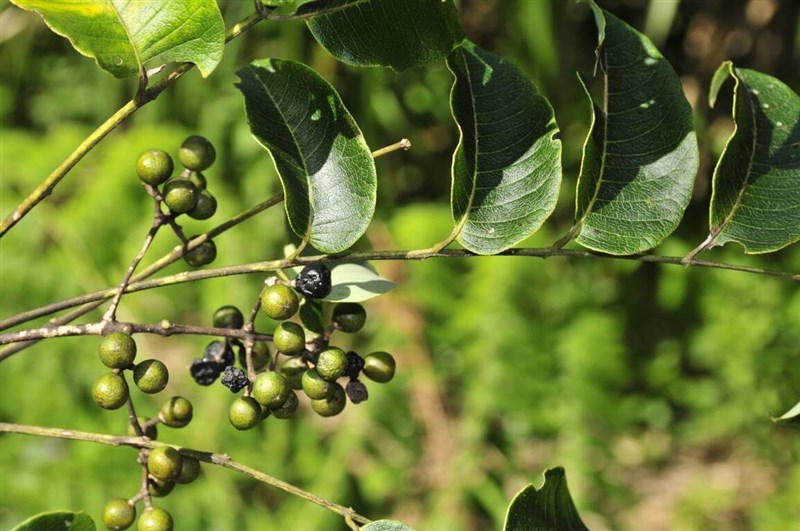
Its mature fruits provide an important winter food source for birds, squirrels and monkeys, while its root system helps stabilize hillsides and prevent soil erosion, the institute said.
It added that the species is also valued in traditional Chinese medicine but faces threats from overharvesting, slow natural regeneration and genetic drift.
Bupleurum kaoi grows in northern Taiwan and low-elevation mountainous areas, including Tongxiao and Houlong in Miaoli County. Like Taiwan cork-tree, it is threatened by overharvesting and its limited natural regeneration, the TBRI said.
- Sports
Taiwan to vie for U-18 Asian Baseball Championship bronze medal
09/12/2026 09:27 PM - Society
400th foreign high-level expert naturalized as ROC citizen since 2016
09/12/2026 08:38 PM - Business
CPC to raise domestic gasoline, diesel prices next week
09/12/2026 05:59 PM - Culture
Taiwan temple culture showcased in Poland
09/12/2026 05:52 PM - Business
Central bank under pressure to raise rates at upcoming meeting: Economists
09/12/2026 05:11 PM