DEFENSE/Local opposition to Taiwan's defense budget may confuse international community: U.S. envoy
12/11/2025 12:11 PM
The United States representative to Taiwan Raymond Greene said Wednesday that the international community might find it hard to understand the domestic criticisms of Taiwan's efforts to increase its defense budget.
(Full text of the story is now in CNA English news archive. To view the full story, you will need to be a subscribed member of the CNA archive. To subscribe, please read here.)
More in DEFENSE
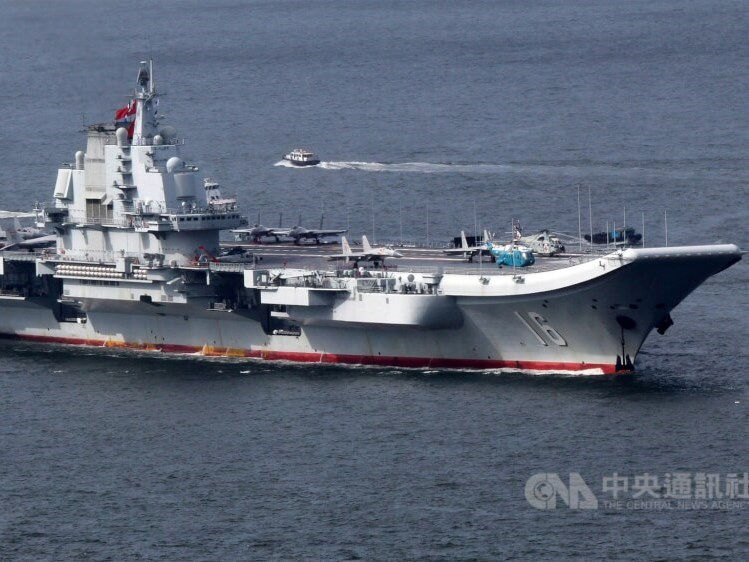
![Taiwan watching for large-scale PLA drills as peak season nears]() Taiwan watching for large-scale PLA drills as peak season nearsThe Ministry of National Defense (MND) said Thursday that it was closely monitoring the possibility of large-scale Chinese military exercises near Taiwan as the traditional peak season for People's Liberation Army (PLA) drills approaches.10/15/2026 03:30 PM
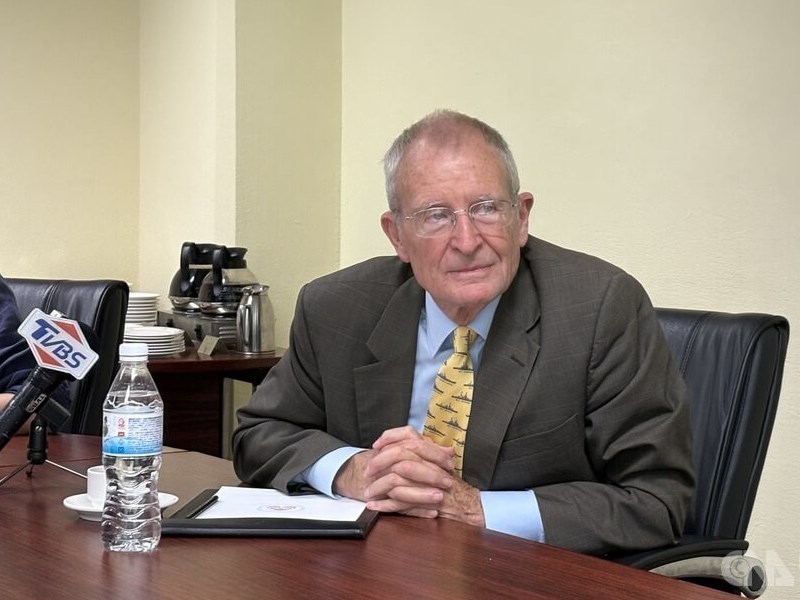
Taiwan watching for large-scale PLA drills as peak season nearsThe Ministry of National Defense (MND) said Thursday that it was closely monitoring the possibility of large-scale Chinese military exercises near Taiwan as the traditional peak season for People's Liberation Army (PLA) drills approaches.10/15/2026 03:30 PM![Ex-U.S. national intelligence director praises Han Kuang reforms]() Ex-U.S. national intelligence director praises Han Kuang reformsDennis Blair, director of national intelligence under former U.S. President Barack Obama, on Wednesday praised Taiwan's decision in recent years to transform its large-scale annual military exercises into a whole-of-society defense effort.10/14/2026 01:27 PM
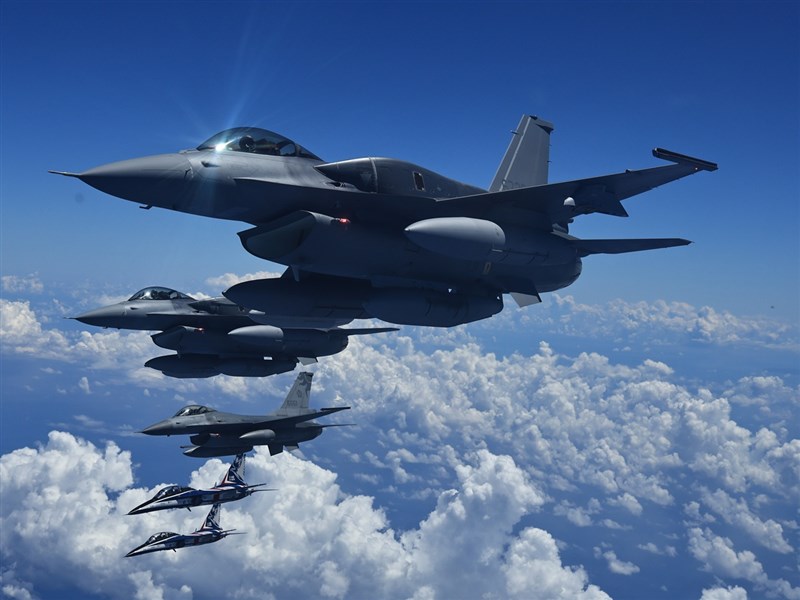
Ex-U.S. national intelligence director praises Han Kuang reformsDennis Blair, director of national intelligence under former U.S. President Barack Obama, on Wednesday praised Taiwan's decision in recent years to transform its large-scale annual military exercises into a whole-of-society defense effort.10/14/2026 01:27 PM![Defense ministry releases images of jets escorting new F-16Vs]() Defense ministry releases images of jets escorting new F-16VsThe Ministry of National Defense on Saturday released footage and photos of an F-16V Block 20 and Brave Eagle advanced jet trainers escorting two F-16V Block 70s that Taiwan received a day earlier.10/03/2026 03:05 PM
Defense ministry releases images of jets escorting new F-16VsThe Ministry of National Defense on Saturday released footage and photos of an F-16V Block 20 and Brave Eagle advanced jet trainers escorting two F-16V Block 70s that Taiwan received a day earlier.10/03/2026 03:05 PM
Latest
- Society
Typhoon Champi could approach or cross Taiwan next week: CWA
10/17/2026 06:15 PM - Business
CPC freezes fuel prices for fifth straight week
10/17/2026 05:46 PM - Society
TRC reminds riders of etiquette after two reported incidents
10/17/2026 04:49 PM - Politics
Taiwanese visits to China rise nearly 20% despite travel warning: Agency
10/17/2026 04:19 PM - Society
More than 3 million people take Taiwan's public flu vaccinations in 2 weeks
10/17/2026 04:04 PM